zook cabins nationwide delivery area

China Best Log Cabin House Manufacturers and Prices?

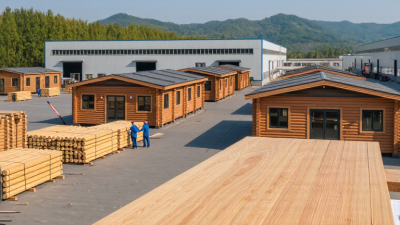
Choosing a log cabin house from China involves more than comparing attractive photos and headline prices. Buyers need to assess timber species, moisture control, wall thickness, insulation, structural design, factory quality checks, and what the quoted price actually includes. A low factory price can change substantially after packaging, shipping, foundations, installation, and local site work are considered.

The wider building sector offers useful context, but not a direct cabin price guide. The 2023 Global Status Report for Buildings and Construction, published by the UN Environment Programme and GlobalABC, estimated that buildings accounted for 34% of global energy demand and 37% of energy- and process-related carbon dioxide emissions in 2022. Those figures cover buildings broadly; they do not prove that a timber cabin automatically has a lower lifetime impact. Timber sourcing, transport distance, insulation, heating, and maintenance all matter.

Details matter.

This guide examines how to compare China-based log cabin house manufacturers, interpret quotations, and identify practical questions before requesting a final offer. It considers design customization, sample specifications, production evidence, delivery terms, and after-sales support. Ask suppliers to itemize materials and services, and request drawings and written specifications rather than relying on showroom images. One limitation deserves honest attention: public, independently verified price data for Chinese log cabin houses is not consistently available. Any price range should therefore be treated as an initial estimate, not a guaranteed market average. A careful comparison may take longer, but it can reveal what a quotation leaves out.
China Best Log Cabin House Manufacturers and Prices?

What Defines a Log Cabin House in China?

In China, “log cabin house” may refer to a home built from stacked logs, but the label is not always used consistently. A true log structure uses solid or engineered timber members as substantial wall components. Their horizontal courses meet at shaped corners, with joints sealed against drafts and moisture. That distinction matters. Some cabins use a timber frame with boards or log-shaped cladding instead. They can look similar from a distance, yet their structural systems differ.

To assess a design, check the wall section, timber type, and connection details—not just exterior photos. Ask whether the logs carry roof loads, how corners are joined, and what insulation sits between courses. In colder northern regions, air leakage and condensation need careful attention; humid areas also call for effective drainage and protective finishes. Small details count. A narrow gap around a window can admit water after repeated rain. Factory-made components may improve consistency, but installation and site conditions still affect performance. Specifications vary, and a “log cabin” description alone cannot confirm durability or explain the final price.
How to Compare China’s Leading Log Cabin Manufacturers

Comparing China’s leading log cabin manufacturers starts with matching the same specification, not the headline price. Ask each supplier for timber species, wall thickness, moisture targets, and treatment details. A 44-millimeter wall and a 70-millimeter wall are not equivalent offers. Check how corners are joined, too. Tight joints can reduce drafts, but they cannot replace suitable insulation or careful installation.

Request dated production photos, a packing list, and drawings that show door and window sizes. Ask who checks timber moisture and how damaged pieces are handled. Details matter. If possible, inspect a sample of the logs and check whether the profile fits cleanly. A polished catalogue is useful, but it is not proof of consistent workshop quality. References from buyers with similar cabin sizes can reveal delays or missing parts.

Compare quotes line by line: cabin kit, roof materials, flooring, fasteners, packaging, freight, and installation support. Confirm what is excluded, then ask for a revised total in writing. Prices can shift with timber grade, design changes, and delivery arrangements, so treat unusually low bids with care. I would not assume the cheapest quote is poor; I would ask what it leaves out. Even a detailed offer may need clarification, especially around replacement parts and after-sales response times.

China Best Log Cabin House Manufacturers and Prices? - How to Compare China’s Leading Log Cabin Manufacturers

The figures below are indicative budget ranges for China-manufactured cabin kits, not supplier quotations. Actual prices depend on design, timber grade, specification, order quantity, and delivery terms.

Comparison factor Compact garden cabin Small residential cabin Larger residential cabin
Typical floor area 10–20 m² 25–40 m² 45–70 m²
Common wall construction Solid interlocking timber logs, often around 28–44 mm thick Solid logs or insulated wall systems; specifications vary by design Solid logs or engineered/insulated wall assemblies, subject to project specification
Indicative kit price (FOB China) US$3,000–9,000 US$8,000–22,000 US$16,000–40,000+
Timber options to confirm Typically softwood options such as spruce, pine, or fir Species, grade, drying method, and moisture specification should be stated in the quotation Request species, grading standard, treatment details, and replacement allowance
Items commonly included Prefabricated wall components and basic roof structure; doors and windows depend on the offer Wall and roof components, with floor, doors, windows, and hardware varying by package Main structural kit; insulation, interior finishes, and fixtures are often optional
Typical production lead time About 3–6 weeks after approved drawings and deposit About 4–8 weeks, depending on customization and production schedule About 6–10 weeks or longer for customized designs and larger orders
Usually excluded from kit price International freight, insurance, import duties, local taxes, foundation, site work, installation, utilities, and local permit costs
Key checks before comparing offers Compare the same floor area and wall specification; request dimensioned drawings, a complete bill of materials, timber and moisture details, window and door specifications, packaging details, delivery terms, and project-specific structural and building-code documents.

Price note: FOB prices exclude ocean freight and destination charges. Treat these ranges as initial budgeting figures and obtain a dated, itemized quotation for the exact design and destination.

Which Materials and Standards Shape Cabin Quality?

Cabin quality begins with timber selection, not appearance alone. Logs should have a documented species, structural grade, and moisture condition suited to the local climate. Excess moisture can encourage movement, gaps, or decay as the wood dries. Ask how logs are dried and protected during storage. Small checks are common, but deep splitting deserves closer inspection.

Joinery matters just as much. Tight corner joints, consistent seals, and well-fitted doors help limit drafts and water entry. Still, no timber system is maintenance-free. Sun and rain will change exposed surfaces over time, so coatings and inspection access affect long-term upkeep. A thick wall can look reassuring yet perform poorly if its joints leak.

Standards should match the cabin’s intended use and location. Request structural calculations, timber grading records, and test information for insulation and fire performance where applicable. Heating, electrical, and plumbing work may require separate approvals under local rules. Requirements vary. Compare documents, not vague claims. Also check the roof, foundation, and drainage details; water pooling beside a cabin can undermine otherwise sound materials. Prices may rise with better insulation or graded timber, but cheaper specifications are not always cheaper to maintain. One point is easy to miss: ask who verifies the work and what evidence is provided.

What Factors Determine Log Cabin House Prices?

Log cabin house prices depend on more than floor area. A compact design with a simple roof usually needs fewer materials and less assembly time than a multi-wing plan. Details add up. Large glass doors, covered porches, and custom staircases can raise costs quickly. Compare the usable interior space, not just the quoted dimensions.

Timber choice and preparation also matter. Dense, well-seasoned logs may cost more upfront, but moisture control can reduce warping and maintenance concerns. Wall thickness affects insulation, weight, and the supporting structure. Add double-glazed windows, roof insulation, and interior finishes, and the total can shift substantially. A basic shell and a move-in-ready cabin are not comparable products.

The site can change the estimate just as much as the house itself. Sloping ground, poor vehicle access, or a need for extra foundation work may add labor and equipment costs. Shipping distance and local installation rates matter, too. Ask each supplier to list what is included: foundation, roofing, windows, delivery, assembly, and finishing. Even careful estimates can miss a site detail, so leave room for contingencies. A low quote may be fair, or it may simply exclude work you expected.

Log Cabin House Prices: Estimated Build Cost by Size

Illustrative U.S. turnkey construction estimates at $150–$300 per square foot. Actual prices depend on location, materials, design, labor, site access, foundation, utilities, and finish level.

Estimates exclude land and may not include permits, site preparation, utility connections, or other local costs. Treat these figures as an early planning guide, not a contractor quote.

How to Assess Suppliers and Request Comparable Quotes?

A good log cabin quote begins with a clear brief, not a low headline price. Send each supplier identical plans, target floor area, intended use, and delivery location. Ask for timber species, log dimensions, moisture range, corner joints, insulation, roof layers, and window specifications. Small details matter. A photo of a wall sample can reveal finish quality, but it cannot prove moisture control. Request dated production photos, inspection records, and contactable project references. Check that the evidence matches the cabin being quoted.

Compare quotes line by line, with currency, quantities, and units clearly shown. Separate cabin materials, doors, hardware, timber treatment, packing, freight, unloading, and installation. Ask what is excluded, such as foundation work, electrical fittings, or local assembly labor. A cheap quote may omit these. Request the lead time, payment stages, warranty coverage, replacement-parts process, and written procedures for damaged goods. Then compare the same scope, not just the total price. A supplier’s technical answers are revealing. One awkward email proves little, though repeated vague replies should prompt caution. Prices still vary with design, timber grade, and shipping route. Allow room for revision.

Ready for the Cabin Life?

“I went to the woods because I wished to live deliberately, to front only the essential facts of life, and see if I could not learn what it had to teach, and not, when I came to die, discover that I had not lived.”

- Henry David Thoreau