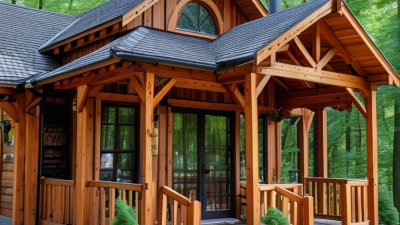
Top Manufactured Log Homes for Global Buyers
For global buyers, manufactured log homes offer more than rustic charm. They present a practical route to distinctive housing, controlled production, and faster on-site assembly. Yet the buying decision is rarely simple. Climate, transport distance, local building rules, foundation design, and after-sales support can change the entire project.
Rob Roy, a respected log-building educator and author, says, “A well-designed log home should respond to its site, climate, and occupants.” That principle remains useful for international buyers. A home designed for a dry mountain region may struggle beside a humid coastline. A beautiful showroom model may also require costly insulation upgrades, specialized roofing, or unfamiliar maintenance.
Details matter.
This guide examines leading manufactured log homes for global buyers. It considers construction quality, timber selection, energy performance, customization, delivery planning, and supplier credibility. It also looks beyond attractive photographs. Factory tolerances, moisture protection, window specifications, and clear installation instructions deserve equal attention.
Experience helps, but it does not remove uncertainty. Even careful buyers can underestimate customs procedures, crane access, or regional labor costs. Some advertised prices exclude foundations, utilities, interior finishing, and transportation. That gap can become uncomfortable.
Reliable manufacturers explain these limits early. They provide technical drawings, material descriptions, warranty terms, and project references. Buyers should request independent inspections when possible. They should also compare complete project costs, not only the kit price.
The strongest choice may not be the largest or most luxurious model. It may be the one that suits the land, budget, climate, and available skills. That sounds obvious. It is often overlooked.
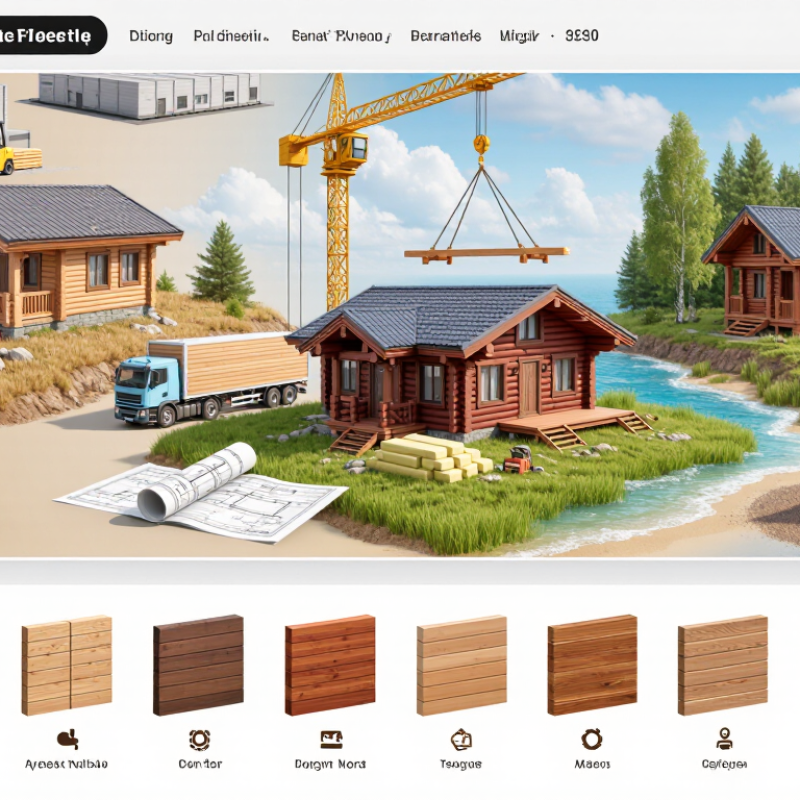
What Manufactured Log Homes Are and How They Differ
Top Manufactured Log Homes for Global Buyers
What Manufactured Log Homes Are and How They Differ
Manufactured log homes are factory-built residences designed for controlled production and faster site assembly. Workers cut, seal, and inspect wall components indoors before shipment. Depending on local terminology, “log” may describe solid structural logs, engineered timber, or log-look panels. That distinction matters.
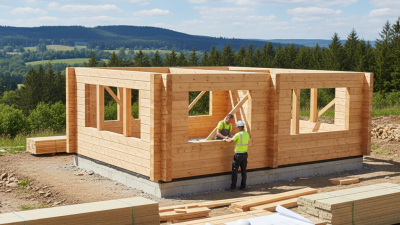
A site-built log home is constructed mainly at the property. Each log is fitted and adjusted while exposed to changing weather. A manufactured model usually arrives as completed sections or precision-cut components. This can improve consistency and reduce rain exposure. It does not remove every risk. Transport limits, crane access, road conditions, and foundation accuracy still affect the result. Buyers should also check insulation, ventilation, and moisture requirements for the destination climate.
Look closely at corners, window openings, roof joints, and utility penetrations. Ask for structural calculations, wood-treatment details, inspection records, and installation instructions. During one installation, a small foundation discrepancy created stress near a wall connection. Correcting it early prevented a larger repair. That detail is easy to underestimate. The category is not perfectly named, either. Some homes provide solid timber structure, while others mainly deliver a rustic exterior appearance.
Key Materials, Construction Methods, and Quality Standards
Top Manufactured Log Homes for Global Buyers
Key Materials, Construction Methods, and Quality Standards
Reliable manufactured log homes begin with controlled materials. The USDA Forest Products Laboratory’s Wood Handbook explains that wood changes dimension as moisture levels change. Kiln-dried logs, tested for moisture content, can reduce excessive movement after installation. Yet drying is not a magic fix. Buyers should request moisture records and inspect end cuts, knots, cracks, and preservative treatment.
Construction details matter more than rustic appearance. CNC-milled logs provide repeatable profiles, while scribe-fit methods can improve contact between courses. Both require accurate sealing around windows, doors, and corners. Adjustable rods, settling gaps, and flexible flashing help the structure accommodate seasonal movement. A poorly sealed joint can defeat an otherwise excellent wall.
Energy performance deserves equal attention. The 2023 UNEP Global Status Report for Buildings and Construction reported that buildings consumed about 34% of global energy in 2022. Continuous insulation, roof ventilation, and low-emissivity glazing can reduce heating and cooling demand. However, log walls alone do not guarantee efficiency.
Quality checks should reference recognized requirements, such as ICC 400, CSA O86, or applicable European structural timber standards. Factory quality systems aligned with ISO 9001 can improve traceability, but paperwork cannot replace inspection. Ask for structural calculations, fire-performance evidence, connection details, and independent testing. Standards help. Local engineering review remains essential.
Top Manufactured Log Homes for Global Buyers: Key Materials, Construction Methods, and Quality Standards
Moisture content is a critical quality indicator for manufactured log homes. Lower, controlled moisture levels help reduce shrinkage, cracking, warping, and on-site settlement after installation.
Reference interpretation: Freshly sawn logs commonly contain 30–60% moisture, air-dried logs generally reach approximately 18–25%, and kiln-dried logs are often produced at about 12–18%. Actual targets depend on wood species, log diameter, climate, wall system, and applicable building regulations.
Buyer checklist: Confirm the timber species, moisture-testing procedure, interlocking or post-and-beam construction method, insulation and vapor-control design, structural grading, fire performance, and compliance with the destination market’s building standards.
Global Regulations, Shipping, and Site Preparation
Buying a manufactured log home across borders requires more than choosing a floor plan. Local rules may govern timber treatment, insulation, fire resistance, energy use, and seismic design. Ask the supplier for structural drawings, material certificates, and installation instructions before signing. Rules vary sharply. A coastal site may demand corrosion-resistant fasteners, while a cold region needs deeper insulation. Have a local architect or certified engineer review the documents.
International shipping adds practical risks. Confirm whether the price includes export packing, port handling, insurance, customs clearance, and inland delivery. Crated wall sections need protection from rain, salt air, and rough forklift movement. Measure the access route carefully. A narrow bridge or low utility line can stop a truck several kilometers from the site. Request a packing list with crate dimensions and weights. Project records often show schedules failing because one small connector was missing. That detail is easy to underestimate.
Site preparation should begin while the home is still being manufactured. Arrange soil testing, drainage, foundation work, utility connections, and equipment access. The foundation must match approved drawings, not a guess made locally. Keep the staging area level and firm, especially during wet seasons. Allow space for a crane or lifting vehicle. Weather can change everything. Even experienced buyers sometimes treat installation as a simple delivery. It is not. Build a written inspection schedule with photographs, sign-offs, and contingency time. Some assumptions will be wrong, and that should be visible early.
Costs, Customization, Maintenance, and Long-Term Value
Top Manufactured Log Homes for Global Buyers
Costs, customization, maintenance, and long-term value shape every purchase decision. The NAHB’s 2024 Cost of Constructing a Home survey reported an average U.S. construction cost of $428,215. This is not a log-home price, but it offers a useful benchmark. Buyers should also budget for transport, foundation work, utility connections, taxes, and local inspections. Custom windows, roof pitches, and insulation can improve comfort. They can also create expensive delays. Imported materials may not match regional standards.
Customization should serve the climate, not only appearance. The USDA Forest Products Laboratory identifies moisture control as a central requirement for wood durability. Deep roof overhangs, raised foundations, sealed joints, and breathable finishes protect logs from rain and condensation. Maintenance is practical but continuous. Inspect exposed logs each year. Recoat finishes when fading begins. Check lower walls after heavy storms. I have seen attractive homes lose value because small water marks were ignored. That mistake is avoidable, but not always cheap.
Tips: Request a line-by-line landed-cost estimate. Ask for thermal-performance calculations, not vague efficiency claims. Compare the supplier’s specifications with local building rules. The U.S. Census Bureau’s Manufactured Housing Survey can provide broader market context, although it does not isolate log homes. Long-term value depends on workmanship, climate suitability, documentation, and maintenance records—not timber appearance alone.