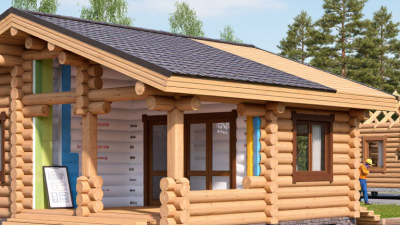
DWELL BEYOND THE ORDINARY
China has become an important source of prefabricated timber buildings, including modular log cabins for holiday parks, rural homes, and guest accommodation. The “China Top 10 Modular Log Cabin Manufacturers” guide introduces companies serving this varied market. It is a starting point for research, not a guarantee that every supplier fits every project.
A useful comparison goes beyond attractive renderings. Buyers should examine timber species, wall thickness, insulation options, roof and floor assemblies, moisture protection, and the quality of connection details. Ask for current product drawings, material specifications, installation instructions, and evidence supporting any performance claims. Clear answers matter. So do references from projects with similar climates and intended uses.
Manufacturing capability is only part of the decision. Confirm what the quoted price includes, such as windows, interior finishes, packaging, and loading. Check how the supplier handles design changes, transport coordination, replacement parts, and after-sales questions. Requirements can differ by destination, so buyers should independently confirm applicable building standards and site conditions with qualified local professionals. A catalogue may not tell the whole story. Factory visits or independent inspections can help, though they require time and careful planning. The companies featured here offer a practical shortlist for comparing products, communication, and service. Treat rankings as an invitation to ask better questions; the best choice depends on the cabin’s use, budget, location, and the evidence each manufacturer can provide.
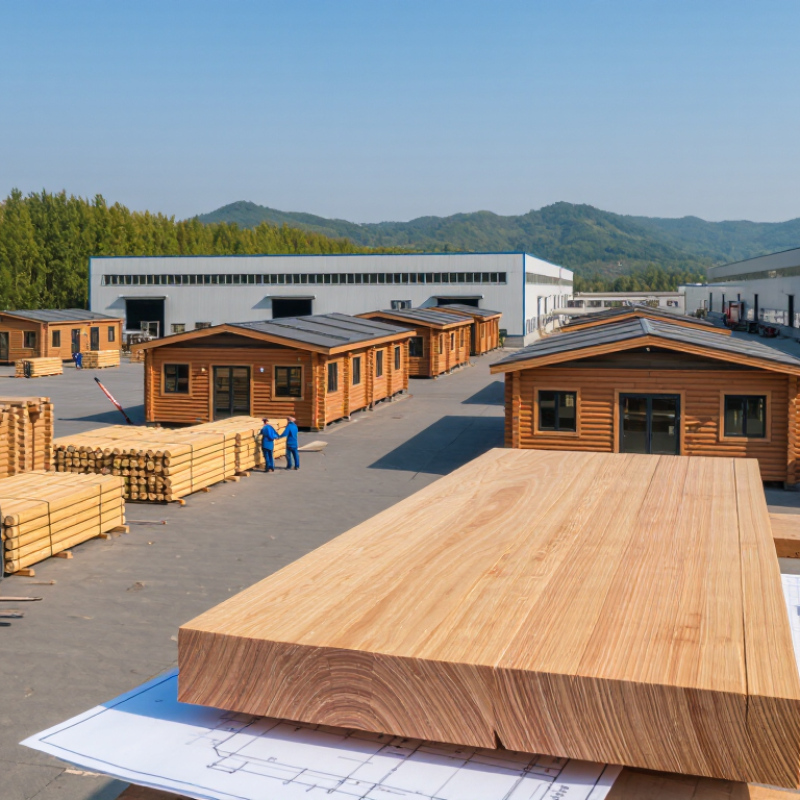
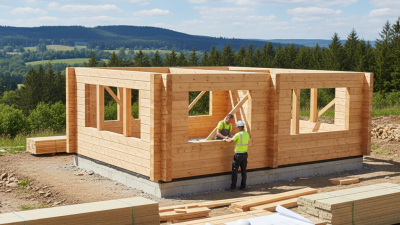
A modular log cabin is built from factory-made sections, then transported and joined on site. Depending on the design, modules may include wall frames, roof elements, windows, insulation, or interior finishes. Factory production allows crews to assemble components under more consistent conditions than an exposed building site. That is the idea.
Precision matters. Log profiles, corner joints, and lifting points must align, while openings for wiring and plumbing need protection during transport. Moisture control is especially important: damp timber enclosed behind finishes can create problems that are difficult to spot later. Factory checks help, but they cannot replace careful inspection after delivery. Details matter.
The McKinsey & Company 2019 report Modular construction: From projects to products estimates that modular methods could shorten construction schedules by 20–50% and reduce costs by up to 20% under suitable conditions. These are broad industry estimates, not guarantees for log cabins. On site, crews still need suitable crane access, prepared foundations, and accurate connections between modules. Weather, transport damage, or uneven supports can erase some time savings. A factory-built cabin is not automatically a faster one; the handoff between production and site assembly deserves close attention.

For buyers comparing modular log cabin manufacturers in China, delivery speed matters—but a factory-built structure is not automatically a fast project. McKinsey’s 2019 analysis, “Modular Construction: From Projects to Products,” reports that modular methods can reduce construction schedules by 20–50% in suitable projects. The gain comes from completing site work and building components in parallel, rather than waiting for each stage to finish in sequence.
That benchmark is a useful reference, not a guarantee. A cabin’s actual timeline depends on design changes, factory capacity, transport distance, and site readiness. Picture wall panels being assembled indoors while crews prepare foundations outdoors. When both streams stay coordinated, days can be saved. When drawings change late, the factory may have to remake components, and the advantage shrinks. Small details matter.
Ask manufacturers for a project schedule that separates design approval, production, shipping, and installation. Request dated milestones, not just a headline delivery estimate. McKinsey’s range describes potential across modular construction; it does not predict the outcome for every cabin or supplier. A modest, documented schedule may be more credible than an impressive promise.
Data note: This is a sourcing and benchmarking table, not a ranked list of manufacturers. Comparable, independently verified public data for ten Chinese modular log cabin manufacturers is not available here. Supplier-specific figures should be confirmed with current quotations, technical documents, and project references.
| No. | Evaluation dimension | Evidence-based benchmark or data status | What to verify with each supplier |
|---|---|---|---|
| 1 | Project schedule | McKinsey reports modular construction can reduce project timelines by approximately 20–50% compared with traditional construction in suitable circumstances. This is an industry-level benchmark, not a guarantee for an individual cabin project. | Request a project schedule showing design, factory production, shipping, site preparation, installation, and handover separately. |
| 2 | Factory completion scope | There is no universal completion percentage for modular cabins; the scope varies by supplier and contract. | Confirm which work is factory-completed, including insulation, windows, wiring, plumbing, interior finishes, and fixtures. |
| 3 | Structural system | Log-style, timber-frame, and hybrid systems are distinct construction approaches; performance depends on the specified design and materials. | Obtain structural drawings, material grades, connection details, design loads, and applicable engineering calculations. |
| 4 | Thermal performance | Thermal performance is project- and climate-specific; no single insulation value applies to all cabin designs or destinations. | Request wall, roof, floor, window, and door specifications, plus calculated U-values or equivalent local energy-performance data. |
| 5 | Fire and building-code compliance | Requirements depend on the destination jurisdiction, building use, and site conditions; a general product claim does not establish local approval. | Identify the destination codes and request relevant test reports, certificates, and project-specific approval documentation. |
| 6 | Transport dimensions and packing | Shipping feasibility depends on module dimensions, weight, route, handling equipment, and the selected transport method. | Request packed dimensions, gross weight, loading plan, lifting points, and a logistics estimate to the delivery site. |
| 7 | Site work and installation | Factory-built modules can reduce on-site work, but foundations, utilities, access, and assembly still require project-specific planning. | Request foundation requirements, installation method, crew requirements, utility connection scope, and exclusions. |
| 8 | Quality assurance | Inspection procedures and acceptance criteria vary by manufacturer and contract; no comparable factory quality score is established in this table. | Ask for the inspection plan, production-stage photographs, material traceability, defect procedure, and pre-shipment inspection terms. |
| 9 | Warranty and after-sales support | Warranty duration and coverage are contract-specific and should not be assumed from general product descriptions. | Compare written coverage for structure, finishes, doors and windows, equipment, transport damage, and replacement parts. |
| 10 | Total delivered cost | A factory price alone is not a like-for-like project cost; delivery, duties, foundations, installation, and local approvals may be additional. | Compare itemized quotations with the same cabin specification, delivery terms, destination, installation scope, and tax assumptions. |
Benchmark source: McKinsey & Company, “Modular construction: From projects to products” (2019), which discusses potential schedule reductions of 20–50% for modular construction. Actual results vary by project, design, supply chain, and site conditions.
Assessing China’s leading modular log cabin manufacturers requires more than comparing photos or quoted prices. Quality checks should cover timber grading, moisture control, insulation, roof details, and joint consistency. Inspect how doors close and how wall panels meet; small gaps can signal larger fit problems. Details matter. A sample cabin is useful, but it cannot prove every production run will match.
Capacity is best judged through practical evidence: factory floor space, equipment, trained crews, and documented output over time. Ask how the manufacturer handles a custom layout without delaying standard orders. Review quality records and request clear explanations of inspection stages. Numbers can mislead. A high monthly capacity means little if schedules shift or finishing work becomes rushed. Even a site visit has limits, so compare what you see with recent production records.
Export assessment should consider experience with overseas packing, shipping coordination, and complete product documentation. Check whether components are labeled clearly and protected against moisture during transit. Ask for examples of delivery timelines, packing lists, and responses to damage claims, with customer details kept confidential. Export volume alone is not proof of reliability. A careful comparison weighs product consistency, realistic capacity, and verifiable shipping processes; no single metric tells the whole story.
These profiles examine ten Chinese modular log cabin manufacturers through practical production details, not marketing claims. The comparison focuses on timber grading, moisture control, wall-panel construction, and factory assembly. These factors affect how well cabin parts fit together after transport. Look closely.
Some manufacturers may offer flexible floor plans, while others focus on repeatable cabin models or export-ready packaging. Useful profile details include insulation options, roof specifications, window placement, and the scope of installation support. A clear factory drawing can reveal more than a polished exterior photograph.
Comparisons are never perfectly neat. Product ranges and lead times can change, so buyers should confirm current specifications directly. Ask for material descriptions, assembly instructions, and examples of completed cabins in similar climates. Check how doors, corners, and roof joints are sealed; small gaps can matter in wind-driven rain. A profile should also explain what is included in the quoted package and what requires local sourcing. That distinction is easy to miss. These practical checks make the ten profiles more useful than a simple ranking, while leaving room for each project’s site, budget, and intended use.
This national indicator provides background for profiles of modular log cabin manufacturers; it does not measure timber supply or the performance of individual companies. Source: World Bank, forest area (% of land area), indicator AG.LND.FRST.ZS.
When comparing China’s modular log cabin manufacturers, request material specifications rather than relying on photos. Ask for timber species, moisture content, wall thickness, insulation type, and roof assembly details. A sample wall section can reveal gaps or uneven finishes that a polished rendering hides. Details matter.
Customization should be documented with drawings, dimensions, window positions, and finish samples. Confirm which changes affect price, production time, or structural design. Ask how electrical and plumbing openings are coordinated before panels are made. Small changes can become expensive later. I have seen attractive proposals leave these details vague, so compare written scopes line by line.
Delivery planning deserves the same scrutiny. Request a production schedule, packing list, shipping terms, and clear responsibility for unloading and site access. Check whether the supplier can provide applicable test reports, material records, and installation instructions for your destination. Requirements vary by location, so verify them with a qualified local professional. A low quote may exclude documents or site-specific adjustments; that is not always a problem, but it should be visible before you commit.
“I went to the woods because I wished to live deliberately, to front only the essential facts of life, and see if I could not learn what it had to teach, and not, when I came to die, discover that I had not lived.”
- Henry David Thoreau