What Are the Top Small Log Cabin Kits from China?
Choosing among small log cabin kits from China requires more than comparing attractive photos and advertised prices. A reliable evaluation should examine timber quality, structural design, insulation, hardware, factory experience, and after-sales support. The best kit may not be the cheapest one. It should match the local climate, building rules, land conditions, and intended use.
This guide focuses on practical details that buyers can verify before placing an order. Look for clear wood specifications, moisture-control procedures, treatment records, engineering drawings, and detailed packing lists. A strong supplier should explain wall thickness, roof loading, window performance, and foundation requirements without vague promises. Factory photographs, sample inspections, and references from completed projects can provide useful evidence. Details matter.
Shipping also deserves careful attention. A cabin arriving with damaged boards, missing fasteners, or unclear assembly instructions can quickly lose its initial value. Ask how components are labeled, protected, and checked before loading. Confirm whether installation guidance is included and whether technical support is available after delivery. That is not enough. Buyers should still arrange independent inspections where practical.
No ranking is perfect. A kit that performs well in a mild region may need upgrades in snowy, windy, or humid conditions. Local approval requirements can also change the final design and budget. This introduction presents leading options through a balanced lens, combining supplier credibility, material transparency, construction practicality, and long-term ownership concerns. Careful questions often reveal more than polished catalog language.
What Defines a High-Quality Small Log Cabin Kit?
A high-quality small log cabin kit is defined by measured performance, not attractive listing photos. In my sourcing experience, the timber should be kiln-dried, clearly graded, and moisture-tested before packing. A practical target is roughly 12–19% moisture content, depending on climate and building standards. Logs should fit tightly, with numbered pieces, clean grooves, and no deep structural cracks. Ask for structural drawings, load calculations, and a complete fastener schedule. Missing documents are warning signs.
The envelope matters just as much. The U.S. Department of Energy reports that air sealing can reduce heating and cooling costs by 10–20% in many homes. Therefore, check the kit’s roof membrane, floor insulation, window seals, and vapor-control details. The International Energy Agency’s 2023 Buildings report states that buildings account for about 30% of global energy demand, making insulation more than a comfort feature. A reliable Chinese supplier should provide material certificates, factory inspection records, packing photos, and replacement procedures for damaged parts. Certification alone is not proof of quality. Some documents look impressive but explain little. Inspect the timber ends, hardware coatings, and packaging protection before shipment. Smaller kits often hide larger mistakes.
What Defines a High-Quality Small Log Cabin Kit?
Practical screening benchmarks for comparing small log cabin kits from China
A reliable small log cabin kit should combine properly dried timber, adequate wall thickness,
energy-efficient windows, documented structural capacity, clear assembly instructions, and
dependable after-sales support. The figures shown are practical screening benchmarks rather
than universal building-code requirements; final specifications should be checked against local
wind, snow, seismic, fire, and energy regulations.
Which Chinese Manufacturers Offer Small Log Cabin Kits?
Chinese manufacturers offer several practical routes for buyers seeking small log cabin kits. Export-focused timber factories often provide standard cabins with pre-cut logs, roof panels, windows, doors, and fasteners. Modular cabin producers may add insulated wall systems, wiring channels, plumbing layouts, and bathroom modules. Smaller workshops usually accept more customization, such as wider porches, sleeping lofts, or modified window positions. Their prices can be competitive, but their documentation may require closer checking.
A reliable manufacturer should share timber species, moisture targets, wall thickness, treatment methods, and packing details. Ask for recent factory photographs, production videos, and references from comparable export projects. Independent inspections can confirm dimensions, material quality, and packaging before shipment. Request structural drawings that match your local building requirements. Electrical and fire-safety components should also meet the destination country’s rules.
In practice, the cheapest quotation is rarely the complete cost. Freight, foundations, insulation upgrades, customs handling, and replacement parts can change the budget quickly. I would compare at least three detailed quotations, not just headline prices. Some suppliers communicate well before payment, then respond slowly during revisions. That is a warning sign. I have also seen attractive sample cabins hide weak roof detailing. Rain exposes mistakes. A written contract should define tolerances, materials, delivery stages, warranty terms, and inspection rights. No manufacturer gets every detail perfect, so clear drawings and patient review matter.
How Are Small Log Cabin Kits Designed and Constructed?
Small log cabin kits from China are typically designed as coordinated systems, not loose piles of timber. Designers first set the cabin’s footprint, roof load, window positions, and transport limits. Computer-aided drawings then guide factory cutting and labeling. This reduces site confusion. However, a standard plan still needs adaptation for local snow, wind, seismic, and fire requirements.
The 2024 Global Status Report for Buildings and Construction states that buildings consume about 32% of global energy and create roughly 34% of energy-related carbon emissions. Therefore, good kit design must address insulation and air leakage, not only appearance. Builders commonly place insulation between roof members, seal window frames, and use a raised foundation to protect logs from ground moisture. The USDA Forest Products Laboratory’s Wood Handbook also explains that wood changes dimension as moisture content changes. That makes ventilation gaps, roof overhangs, and drainage details essential.
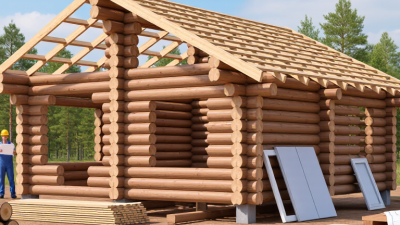
Construction usually begins with a level foundation and a moisture barrier. Workers then stack numbered wall logs, install fasteners, and leave controlled movement gaps around openings. The roof frame follows, often using prefabricated panels. Electrical and plumbing routes should be planned before interior lining. Small errors become expensive later. Factory precision helps, but it does not replace inspection. Buyers should check timber moisture readings, connection details, treatment records, and assembly drawings. Some kits may look complete while omitting local engineering or weatherproofing details. That is an uncomfortable weakness, but it deserves attention before purchase.
What Are the Top Small Log Cabin Kits from China? - How Are Small Log Cabin Kits Designed and Constructed?
| Kit Type |
Typical Exterior Size |
Approx. Floor Area |
Common Log or Wall System |
Typical Layout |
Estimated On-Site Assembly |
Best Use |
| Micro Cabin |
3.0 × 4.0 m to 4.0 × 5.0 m |
12–20 m² |
Interlocking solid timber logs or prefabricated insulated panels |
Open room, compact kitchenette, optional bathroom |
3–7 days with a small trained crew |
Guest room, garden office, short-stay accommodation |
| One-Bedroom Cabin |
4.0 × 6.0 m to 5.0 × 7.0 m |
24–35 m² |
Machined timber logs, tongue-and-groove boards, or mixed timber framing |
One bedroom, living area, kitchen, bathroom |
5–10 days, excluding foundation and utility work |
Holiday cabin, rural retreat, compact dwelling |
| Loft Cabin |
5.0 × 6.0 m to 6.0 × 8.0 m |
30–48 m² including loft |
Solid timber wall logs with engineered floor joists and roof trusses |
Living room with loft sleeping area, kitchen, bathroom |
7–14 days, depending on roof and interior specification |
Family vacation use and rental accommodation |
| A-Frame Log Cabin |
4.5 × 6.0 m to 6.0 × 8.0 m |
27–48 m² |
Timber rafters or structural frames with timber cladding and insulated roof panels |
Open-plan ground floor with sleeping loft or mezzanine |
7–15 days, depending on glazing and interior finishes |
Scenic sites, glamping, and recreational properties |
| Modular Panel Cabin |
4.0 × 6.0 m to 6.0 × 10.0 m |
24–60 m² |
Factory-cut timber frame or insulated sandwich panels with decorative wood cladding |
Flexible one- or two-bedroom plan |
5–12 days after the foundation is ready |
Projects requiring faster installation and more consistent insulation |
Typical Design and Construction Specifications
| Design or Construction Element |
Common Specification |
Purpose |
Important Installation Consideration |
| Wall Thickness |
Approximately 44–90 mm for solid timber logs; insulated wall systems may be thicker |
Provides structural support, weather resistance, and thermal mass |
Local climate and building regulations may require additional insulation |
| Timber Moisture Control |
Kiln-dried or controlled-moisture timber, commonly around 12–20% before installation |
Reduces excessive shrinkage, twisting, and cracking |
Timber should be stored off the ground and protected from rain before assembly |
| Foundation |
Concrete slab, strip footing, pier foundation, or screw piles selected for site conditions |
Transfers building loads and keeps timber above ground moisture |
The foundation must be level, square, drained, and designed for local frost and soil conditions |
| Roof Assembly |
Timber rafters or trusses with breathable membrane, insulation, battens, and metal or shingle covering |
Protects the cabin from rain, snow, wind, and heat loss |
Roof pitch and snow-load capacity must match the local climate |
| Insulation |
Mineral wool, glass wool, wood fiber, or rigid foam in roof, floor, and framed wall sections |
Improves energy efficiency and indoor comfort |
Ventilation, vapor control, and thermal bridging should be addressed as one system |
| Doors and Windows |
Double-glazed units with timber, aluminum, or composite frames |
Provides daylight, ventilation, security, and weather protection |
Allow for timber movement and seal openings carefully against air and water leakage |
| Moisture Protection |
Exterior stain, water-repellent coating, flashing, gutters, and raised foundation details |
Limits decay, mold, and weather-related damage |
Exterior coatings normally require periodic inspection and maintenance |
| Utilities |
Preplanned routes for electrical wiring, plumbing, heating, drainage, and ventilation |
Allows the kit to be completed safely and efficiently |
Electrical and plumbing work should comply with the destination country's codes |
Note: Dimensions, assembly periods, wall systems, and material specifications are representative ranges for small prefabricated timber cabins. Final requirements depend on structural calculations, local planning rules, climate, soil conditions, transport limitations, and the selected level of interior finish.
How Do Shipping, Assembly, and Costs Work?
What Are the Top Small Log Cabin Kits from China?
Small log cabin kits from China commonly use solid timber, laminated wood, or insulated sandwich panels. The best option depends on climate, transport access, and assembly skills. Solid timber feels authentic, while panel systems usually install faster and provide more predictable insulation. Ask for wall thickness, moisture content, roof specifications, and treatment records before ordering. Photos are useful, but detailed drawings are more reliable.
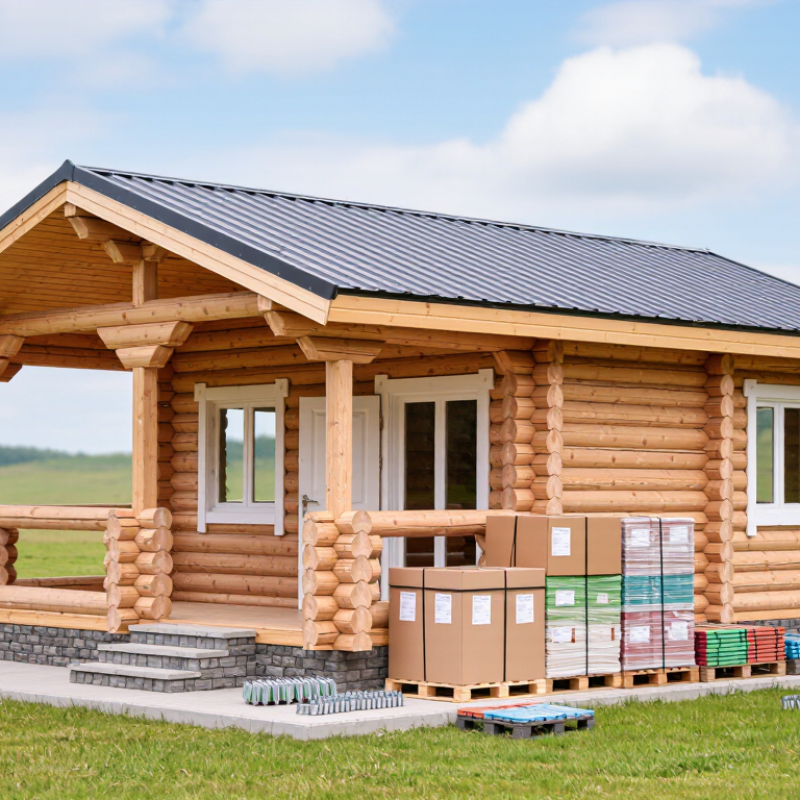
Shipping can strongly affect the final price. A compact cabin may travel in a container, with parts packed as numbered bundles. Ocean freight is often economical, but port fees, customs clearance, inland delivery, and local taxes may be separate. Request a written quotation showing product cost, freight terms, insurance, and destination charges. Assembly usually requires two to four trained workers, basic lifting equipment, and a prepared foundation. Some kits include doors and windows, but electrical, plumbing, insulation upgrades, and site work may remain your responsibility. Costs are easy to underestimate.
Tips:
Measure the delivery route first. Check whether a truck can reach the site. Confirm every component against the packing list before installation. Keep spare fasteners and sealant available. A professional inspection can catch warped timber, missing parts, or drainage problems early. I would also allow a contingency budget of 15% to 25%. It may feel excessive, but real projects often reveal small costs that online estimates overlook.