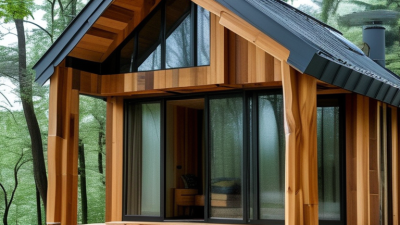
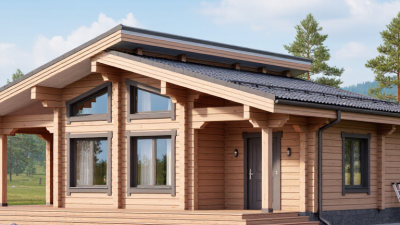
Top China Log Cabin Kits for Colorado Buyers?
Choosing among the top China log cabin kits for Colorado buyers takes more than comparing photos and prices. A cabin that looks sturdy online still needs to suit its building site, climate, and intended use. Colorado conditions vary widely, from sunny foothills to high-elevation areas with heavy snow and sharp temperature swings. That matters.
When researching log cabin kits colorado buyers can compare timber dimensions, connection details, insulation options, roof design, and what the package actually includes. Ask manufacturers for clear specifications, material descriptions, delivery terms, and written guidance on structural limits. Do not assume a standard kit is engineered for every Colorado location. Snow loads, wind exposure, access roads, and foundation needs can differ even between nearby sites. Confirm requirements with local building officials and qualified design or construction professionals before ordering.
A useful comparison also looks beyond the cabin shell. Check whether windows, roofing, fasteners, and interior components are included, and ask how replacement parts are handled. Request drawings that a local professional can review. A kit is not a finished home. Site preparation, utilities, assembly, and inspections may add substantial time and cost. Some details are easy to overlook until a truck reaches a narrow mountain road. I would not treat the lowest quote as the best value without checking the exclusions. Nor does a polished brochure prove long-term performance. The strongest choice is usually the one with verifiable specifications, responsive support, and a design suited to the actual site. That takes careful questions. And a little patience.
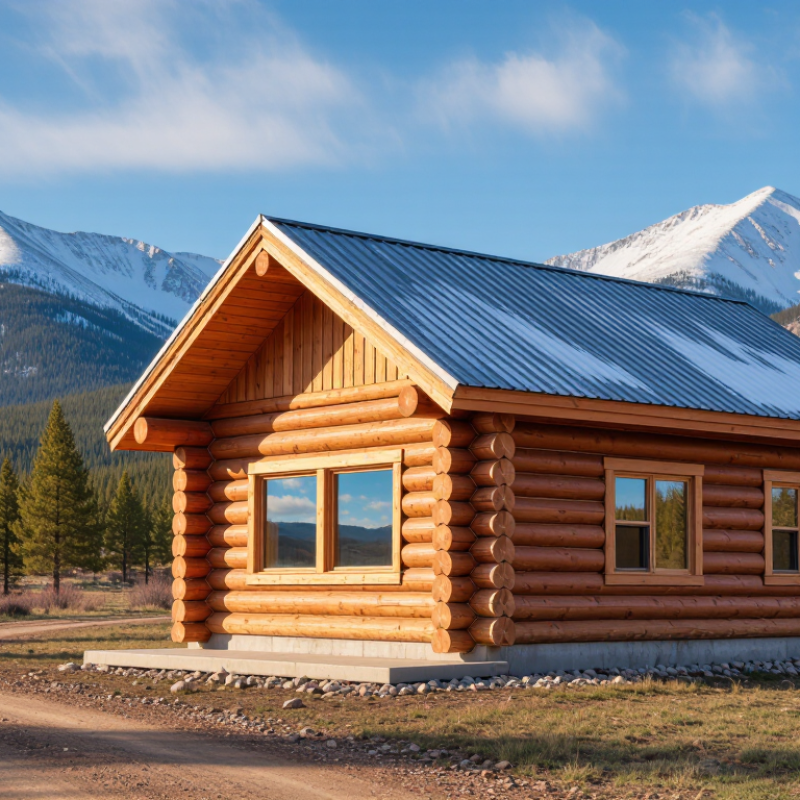
What Log Cabin Kits Include and How Chinese Suppliers Configure Them
Top China Log Cabin Kits for Colorado Buyers?
A well-configured log cabin kit usually includes milled wall logs, floor beams, roof framing, doors, windows, fasteners, and assembly drawings. Some Chinese suppliers also provide insulation panels, stairs, porch components, and electrical conduit layouts. The exact package changes with the cabin size and transport limits. Ask for a detailed packing list, not a general brochure.
Colorado requires careful configuration. Mountain sites may face heavy snow, strong winds, dry summers, and sudden temperature changes. Suppliers can adjust roof pitch, log thickness, insulation levels, window glazing, and moisture barriers for these conditions. However, imported drawings still need review by a Colorado-licensed professional. Local soil, foundation design, fire separation, and energy requirements cannot be solved by a factory template.
Details matter.
During kit evaluations, I check timber moisture readings, corner joints, roof connections, and package labeling. Clear part numbers reduce mistakes during assembly. Sealed bundles also help protect logs during ocean transport, though damaged wrapping can hide early moisture problems. This is where buyers should stay cautious. A lower price may exclude foundation work, local engineering, delivery equipment, or interior finishes. I have also seen attractive plans require revisions after site measurements. That is not necessarily a failure, but it deserves time and budget. Reliable suppliers should share material specifications, treatment records, structural calculations, and replacement procedures before payment.
Key Structural and Material Features to Compare Across Kit Options
Top China Log Cabin Kits for Colorado Buyers?
A practical comparison starts with Colorado’s snow, sun, wind, and freeze-thaw cycles. Check the kit’s engineered snow-load rating for your exact elevation and county. Roof pitch matters. Steeper roofs shed snow more reliably, while strong trusses resist heavy, uneven loading. Ask whether stamped engineering documents are available for local permitting.
Compare log species, moisture content, and wall thickness carefully. Kiln-dried logs can reduce early shrinking, but they still need seasonal adjustment. Look for tight tongue-and-groove joints, corner connections, and durable weather seals. A small gap around a window can invite drafts, moisture, and costly repairs. That detail is easy to miss.
Insulation deserves equal attention. Solid logs provide thermal mass, yet they do not replace a complete insulation strategy. Examine roof insulation, floor insulation, vapor control, and window performance as one system. Low-e glazing and properly sealed doors help during bright winter afternoons and cold nights. Exterior finishes should resist ultraviolet exposure and repeated wetting. Fire-resistant design also deserves discussion in wildfire-prone areas.
Do not judge a kit by wall appearance alone. Check foundation requirements, fastener quality, lifting instructions, and replacement-part availability. A local structural engineer should review site conditions, including soil, slope, and wind exposure. I would not trust a beautiful rendering without these documents. Specifications can be incomplete, and buyers should question unclear measurements, vague timber grades, and unsupported performance claims.
Colorado Climate, Building Codes, and Site Requirements for Log Cabins
Colorado’s climate can challenge even well-designed log cabin kits. Heavy mountain snow requires structural plans that match local snow-load rules. High winds matter on exposed ridges. Freeze-thaw cycles can shift poorly prepared foundations. Logs also need protection from prolonged moisture, especially near shaded slopes and melting snow.
Before ordering a kit, confirm the county’s building department requirements. Colorado codes may address energy efficiency, insulation, wildfire resistance, egress, and structural connections. Some mountain areas require engineered drawings, geotechnical reports, or special wildfire measures. Site conditions matter too. A steep driveway may complicate material delivery. Limited access can increase crane and construction costs. Wells, septic systems, water rights, and power connections may need separate approvals. Radon testing is also sensible in many Colorado locations.
Tips: Ask for stamped plans before purchasing. Verify snow and wind loads for the exact address. Keep logs above grade, with generous roof overhangs and reliable drainage. Inspect every log during construction. Small gaps can become serious problems after winter. Do not assume a kit automatically meets local codes. That assumption is common, but often wrong. A county reviewer, licensed engineer, and experienced local builder can identify risks that online estimates miss. Even careful planning has limits. Soil reports and site walks deserve more attention than attractive floor plans.
Colorado Log Cabin Site Screening: Elevation Examples
Elevation affects climate and snow exposure, but it does not determine a building’s design loads. Confirm site-specific snow and wind loads, frost depth, zoning, and permit requirements with the local building department before selecting a cabin kit.
Approximate elevations above sea level: Denver 5,280 ft; Colorado Springs 6,035 ft; Leadville 10,152 ft. These city figures are illustrative, not project-site measurements or code design values.
How to Evaluate Shipping, Import Costs, and Supplier Reliability
Top China Log Cabin Kits for Colorado Buyers?
Buying a log cabin kit from China can look affordable until the first freight quote arrives. Colorado buyers should request a full landed-cost sheet, not a factory price. It should list crating, ocean freight, port handling, customs brokerage, duties, inland delivery, and storage. Ask whether prices use FOB, CIF, or DDP terms. These terms change your financial responsibility. A kit leaving Shanghai may still need trucking from a West Coast port to a mountain site. Snowy roads can add delays and fees.
Shipping details matter. Request packed dimensions, gross weight, container plans, and moisture protection methods. Check whether timber is kiln-dried and properly documented for agricultural inspection. Import paperwork should match the packing list exactly. One missing document can hold materials while storage charges grow. I would also price local unloading before ordering. A 40-foot container needs space, equipment, and a stable driveway. That detail is easy to underestimate.
Supplier reliability requires evidence, not polished photos. Ask for recent project references, production milestones, material specifications, and independent inspection access. Use staged payments tied to measurable progress. A pre-shipment inspection can verify dimensions, labels, fasteners, and visible damage. Confirm how shortages or warped boards are handled in writing. Small samples may not represent an entire batch. I would admit one concern: low quotes can hide redesign costs after local engineering review. Colorado snow loads, insulation needs, and county permits deserve checking before any deposit.
Steps for Planning Delivery, Assembly, and Long-Term Maintenance
Top China Log Cabin Kits for Colorado Buyers?
Colorado buyers should plan the building site before comparing kit designs. Check local zoning, permits, snow loads, wildfire rules, and foundation requirements. A county building official or licensed engineer can confirm these details. Frost depth varies by location, so a generic foundation plan may fail.
Delivery needs equal attention. Request a detailed packing list, wood moisture standards, drawings, and replacement-part procedures. Confirm the port, inland carrier, unloading method, and delivery date in writing. A narrow mountain road may need a smaller truck. Reserve a forklift or crane if wall sections arrive heavy. Add time for customs clearance and winter delays. Delays happen.
During assembly, keep packages raised above wet ground. Photograph each bundle before opening it. Follow the structural drawings, but let local professionals adapt the foundation and roof for Colorado conditions. Seal exposed end grain, protect window openings, and keep rain away from unfinished logs. One overlooked detail can create months of repair work.
Long-term maintenance should begin after assembly. Inspect joints, flashing, gutters, and roof edges every spring and fall. Recoat exterior wood when the finish becomes dull or uneven. Clear snow from vulnerable roof areas without damaging the surface. Watch for dark stains, soft wood, and small gaps around doors. Dry air, strong sun, and freeze-thaw cycles can age logs faster than expected. A maintenance calendar helps, although it will never replace careful inspection.