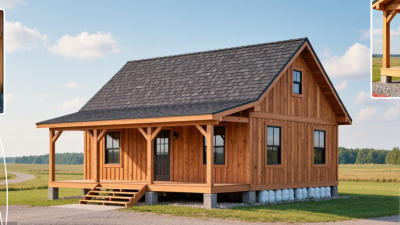
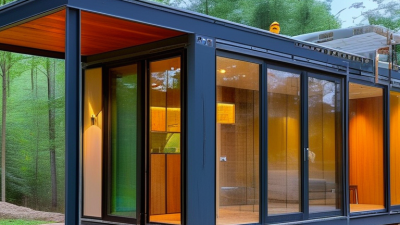
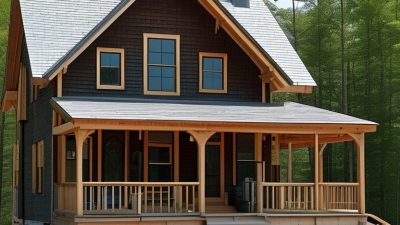
What Are Pre Built Cabins and How Do They Work?
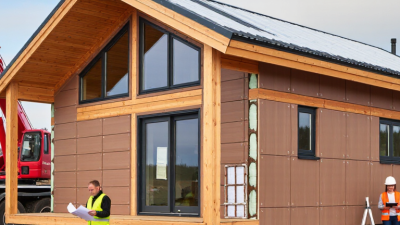
Pre built cabins are homes or retreats made from factory-built sections, panels, or modules and assembled on a prepared site. Their parts are produced indoors, where measurements and materials can be checked before delivery. The exact process varies: some cabins arrive as flat-packed kits, while others come as large finished modules. That difference affects transport, access, and the work required on site. A narrow rural road, for example, may limit the size of a section that can be delivered. Planning matters.
A typical project includes choosing a design, preparing the land, arranging a suitable foundation, and connecting services such as water and electricity. The cabin is then assembled or positioned, sealed, and finished according to its specification. Buyers should confirm what the quoted package includes; interior fittings, site work, delivery, and utility connections may be separate costs. Local building and safety requirements also need checking before construction begins. Factory production can make schedules more predictable, but weather, ground conditions, and delivery delays still matter. “Pre built” does not mean effortless. The term can be misleading if it suggests every cabin arrives ready to use. Compare detailed specifications, warranties, insulation, and maintenance needs, not just attractive photographs or a headline price. A careful review can prevent expensive surprises, though no checklist replaces advice from qualified local professionals.
What Defines a Prebuilt Cabin and How Does It Differ from Site-Built Housing?
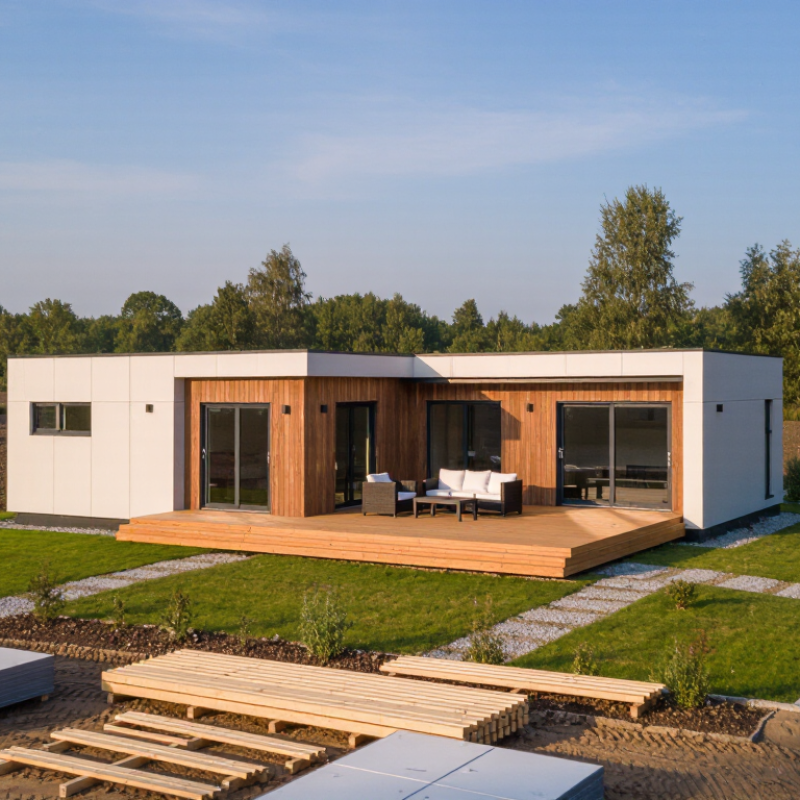
A prebuilt cabin is a home whose main components are made before they reach the building site. These may be wall panels, roof sections, or complete modules with wiring and interior finishes already installed. At the site, crews connect the sections, secure the structure, and complete utility hookups. Site-built housing, by contrast, is assembled largely outdoors, piece by piece. The distinction is about where construction happens, not whether the cabin is permanent or customizable.
The label is not perfectly standardized. A “prebuilt” cabin might arrive as simple panels or nearly finished rooms, so buyers should check what the price includes. Foundation work, transport, permits, and utility connections may remain their responsibility. Not automatically cheaper.
The Modular Building Institute and Dodge Construction Network’s 2023 Permanent Modular Construction Annual Report estimated that modular construction represented 6.64% of North American construction starts in 2022. That figure covers many building types, not cabins alone, but it shows factory-built methods are an established part of construction.
Factory production can protect materials from rain and allow site preparation to happen at the same time. Still, a sloped lot or difficult truck access can erase some of that time advantage. Ask for a clear scope, delivery plan, and itemized exclusions. A neat factory finish is reassuring; it does not replace checking how the sections will be joined and weather-sealed.
How Are Cabin Components Manufactured and Inspected in a Factory?
Pre-built cabins are made from components produced in a controlled factory setting, then transported for assembly on site. Work often begins with approved drawings and a material check. Timber is measured, cut by saws or CNC equipment, and sorted for each wall, floor, or roof section. Moisture readings help staff identify wood that may shrink or warp later. Small errors matter.
Frames are assembled in jigs so corners stay square and openings match the plans. Inspectors check dimensions, joints, fasteners, and surface damage before panels move to the next stage. Windows and doors are test-fitted; insulation and weather barriers are checked for gaps or compression. Where wiring or plumbing is installed in the factory, qualified workers test the systems before they are covered. Not every flaw is visible.
Final checks may include confirming component labels, measuring key sections again, and reviewing a written inspection record. Packaging matters too: exposed edges need protection from rain and impact during delivery. Factory conditions make repeatable checks easier, but they cannot guarantee a perfect cabin. Site access, lifting, and weather can still affect the fit. A careful buyer can ask how defects are recorded and what gets rechecked after assembly.
How Are Prebuilt Cabins Transported, Assembled, and Connected On-Site?
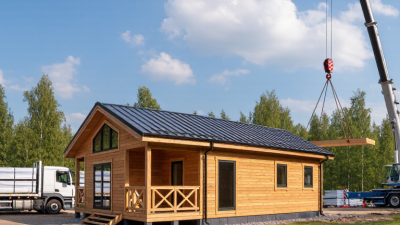
A prebuilt cabin usually arrives as a complete module or several factory-built sections. Before shipping, the installer confirms the route, access width, overhead clearance, and crane position. The carrier secures each section to a trailer; tight turns and low branches can still cause delays. At the site, a crane or suitable lifting equipment sets the cabin onto prepared piers, a slab, or another engineered foundation. The crew checks level and alignment before joining sections and sealing the roof and wall connections. Small gaps matter. Water finds them.
Connections are completed on-site. Licensed tradespeople connect the cabin to approved electrical, water, and wastewater systems, following local requirements. Utility locations should be marked before delivery, and connection points should match the cabin’s plans.
McKinsey’s 2019 report, Modular construction: From projects to products, found that modular construction can shorten project delivery by 20–50 percent. That figure describes modular projects broadly, not every cabin; weather, site access, and utility work can reduce the time saved.
Tips: Ask the supplier for a delivery-day checklist, lifting points, and connection drawings. Photograph the foundation and utility stubs before the cabin arrives. Check clearances with the carrier, not just a map. A detail may be missed, so keep time for adjustments.
How Does McKinsey’s 20–50% Faster-Building Estimate Apply to Modular Construction?
Pre-built cabins are made from sections or modules assembled in a factory, then transported to the site for installation. Depending on the design, a cabin may arrive with walls, wiring, insulation, and interior finishes already in place. On site, crews prepare the foundation, connect services, and join the modules. Less work happens outdoors. That can matter when rain, limited access, or a short building season slows conventional construction.
A widely cited McKinsey estimate suggests modular construction can be 20–50% faster than traditional methods. This is a potential project-level gain, not a guaranteed delivery-time reduction for every cabin. Factory production can overlap with foundation work, and indoor conditions may reduce weather delays. But transport, permits, site preparation, crane access, and custom finishes still take time. A delayed utility connection can erase some of the schedule advantage. The comparison also depends on what the estimate measures: factory production alone or the full project timeline. Those are not the same. I would treat the range as a planning benchmark, then ask for a project-specific schedule.
Tips: Confirm what the quoted timeline includes, from design approval to final connections. Check road access and lifting requirements early. Keep finish choices stable; late changes can disrupt factory work. Allow a buffer. Things happen.