
DWELL BEYOND THE ORDINARY

Buying log cabin manufactured homes in 2026 requires more than admiring cedar siding and a covered porch. The real decision begins with land, local zoning, transport access, utilities, and the home’s certification. A model may look affordable in a showroom, yet site preparation can add thousands of dollars. Concrete work, septic installation, delivery permits, and crane access matter.
Housing economist Lisa Sturtevant, Ph.D., has emphasized, “Housing affordability is about more than the monthly payment.” That principle fits log cabin manufactured homes especially well. Buyers should compare the complete project cost, including the home, foundation, connection fees, insurance, taxes, and long-term maintenance. Ask the builder for written specifications. Check insulation values, roof design, moisture protection, and warranty coverage. Visit a completed home if possible. Touch the wall finishes. Open the cabinets. Look beneath the sinks.
Small details reveal workmanship.
Financing also deserves careful attention in 2026. Some lenders treat manufactured homes differently from conventional houses, particularly when the land is leased. Confirm loan terms before paying a deposit. Review delivery timelines and cancellation policies with a qualified professional. I once viewed the advertised price as the central answer. That was too simple. A beautiful cabin can still become a poor purchase if the site is unsuitable or the final costs remain unclear. This guide explains how to compare manufacturers, evaluate land, estimate installation expenses, and purchase log cabin manufactured homes with greater confidence.
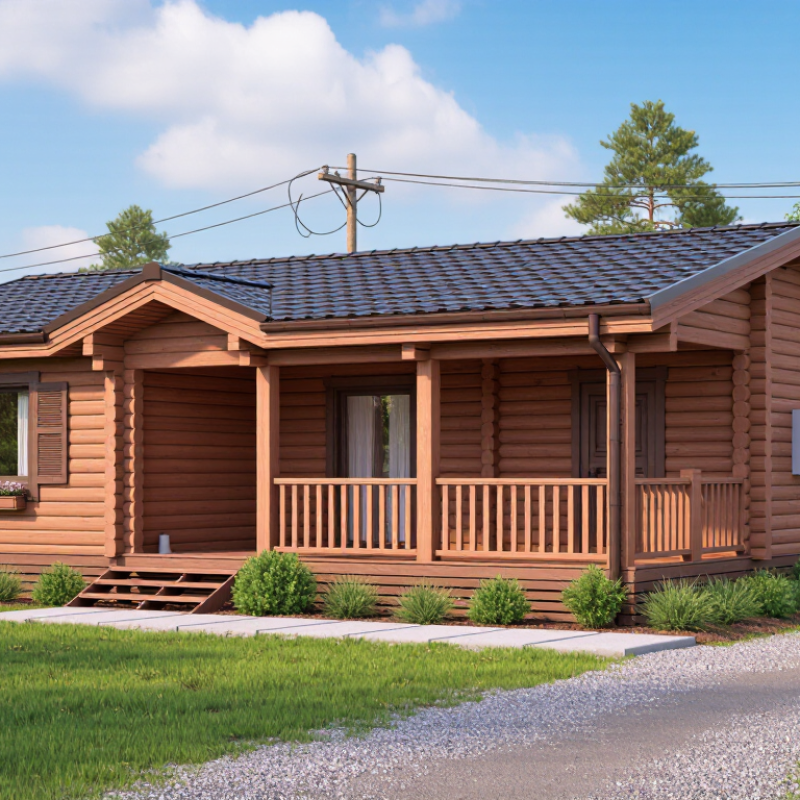
In 2026, log cabin manufactured homes are attracting buyers who want rustic design without building every wall on site. The market now includes compact cabins, family-sized layouts, and energy-conscious models. Prices vary sharply by region, floor plan, insulation, and transport distance. A cabin priced at $110,000 may cost much more after foundation work, delivery, utility connections, and local permits.
A practical buyer should compare the home’s construction details, not only its photographs. Ask about wall thickness, roof load ratings, window performance, moisture protection, and factory quality inspections. In colder regions, check how the design handles snow and freezing temperatures. In windy areas, confirm anchoring requirements. These details matter.
Market conditions remain uneven. Rural land may be affordable, but site preparation can be expensive. Interest rates also influence monthly payments more than many advertisements suggest. Speak with a qualified lender and request a complete written estimate. Review transport routes before purchase; narrow roads and steep driveways can create unexpected charges. Local zoning rules may restrict cabin placement, even on privately owned land.
I would leave room for mistakes in the budget. My first estimate would not include every small connection fee. That is the uncomfortable part. A careful inspection before delivery can reveal damaged siding, uneven flooring, or missing fixtures. Buyers should also confirm the warranty terms and the contractor’s responsibilities in writing.
| Category | Decision Dimension | Typical 2026 Planning Range | Buyer Notes |
|---|---|---|---|
| Home Profile | Construction type | Factory-built manufactured home with log-style exterior or interior finishes | Confirm whether the home uses real log siding, engineered wood siding, or a manufactured log-look finish. These materials have different maintenance and moisture-resistance requirements. |
| Home Profile | Common floor plans | Single-section, multi-section, and cabin-style modular layouts | Single-section homes generally offer simpler transportation and installation. Multi-section layouts usually provide more living space and wider room arrangements. |
| Size | Typical living area | Approximately 500–2,000+ sq. ft. | Compact models may suit vacation use or downsizing, while larger layouts can include multiple bedrooms, full kitchens, utility rooms, and permanent-residence features. |
| Capacity | Typical bedroom layouts | 1–4 bedrooms | The number of bedrooms affects transportation sections, foundation requirements, plumbing layout, and total installation work. |
| Budget | Home-only purchase price | Often about $80,000–$250,000+ before land and site work | Actual pricing depends on floor area, energy systems, structural options, interior finishes, regional labor costs, and whether the unit is new or previously owned. |
| Budget | Additional project costs | Land, permits, transport, foundation, utility connections, grading, and site preparation | These costs can be substantial and are not normally included in the advertised home-only price. Obtain written estimates before signing a purchase agreement. |
| Energy | Insulation priorities | Roof, floor, wall, window, and door insulation matched to the local climate zone | Ask for the insulation specifications, window ratings, heating system efficiency, and air-sealing details rather than relying only on the cabin appearance. |
| Structure | Foundation options | Permanent foundation, crawlspace, basement, or approved pier system | The suitable foundation depends on soil conditions, frost depth, local building requirements, flood risk, and the home’s certification and installation instructions. |
| Compliance | Regulatory verification | Manufactured-home standards plus local zoning, transport, and installation rules | Verify the applicable federal or national construction standard, state or provincial requirements, local zoning, foundation approval, and occupancy permits before purchase. |
| Location | Land-use suitability | Residential, rural, recreational, or mixed-use zoning as locally permitted | A log-cabin appearance does not automatically qualify a home for placement on a specific parcel. Check setbacks, road access, utility availability, and minimum dwelling-size rules. |
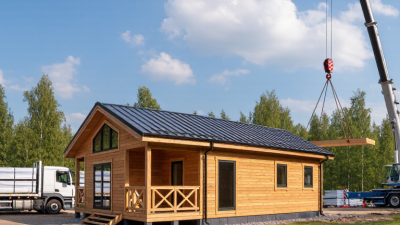
| Delivery | Transportation considerations | Route survey, permits, escorts where required, crane or set crew, and final placement | Narrow roads, low bridges, steep grades, overhead wires, and limited turning areas can increase delivery complexity and cost. |
| Timber Care | Exterior maintenance | Regular inspection, cleaning, sealing, and prompt repair of water intrusion | Real wood elements require protection from moisture, ultraviolet exposure, insects, and surface deterioration. Follow the material manufacturer’s maintenance schedule. |
| Purchase Process | Recommended buying sequence | Confirm land → check zoning → set budget → compare specifications → arrange financing → inspect → finalize installation | Do not order a home before confirming that the intended site can legally and physically accommodate the selected model. |
| Financing | Loan classification | May be treated as real-property financing or personal-property financing | The classification can depend on ownership of the land, the foundation, title status, and local rules. Compare the total cost, down payment, term, and insurance requirements. |
| Inspection | Pre-purchase checks | Structure, roof, siding, plumbing, electrical, HVAC, moisture, appliances, and documentation | For a used home, hire an independent inspector familiar with manufactured housing. Review repair records, installation certificates, permits, and title history. |
| 2026 Market View | Key buyer trend | Greater focus on affordability, energy performance, flexible layouts, and total installed cost | Comparing only the advertised base price can be misleading. A complete comparison should include delivery, site work, foundation, utilities, permits, taxes, insurance, and long-term maintenance. |
“I went to the woods because I wished to live deliberately, to front only the essential facts of life, and see if I could not learn what it had to teach, and not, when I came to die, discover that I had not lived.”
- Henry David Thoreau