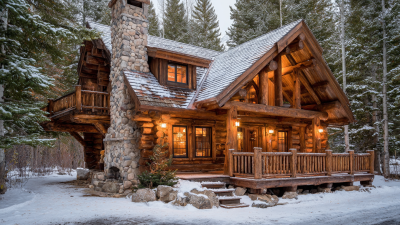
DWELL BEYOND THE ORDINARY
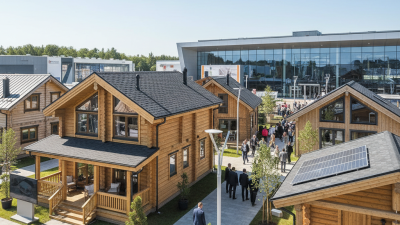
Log cabin manufactured homes have gained popularity in recent years. They combine rustic charm with modern efficiency. According to industry reports, the manufactured housing market is expected to grow significantly, with a projected increase of 6% annually through 2025. Log cabin style offers buyers a unique appeal. These homes are often energy-efficient, providing long-term savings on utility costs.
One significant benefit is the durability of materials used. Logs are treated to withstand various environmental factors. However, potential buyers must consider maintenance needs. While log cabin homes are robust, they require regular upkeep to prevent issues like rot or insect infestations. Additionally, the customization options available cater to individual tastes. This flexibility can lead to higher satisfaction among homeowners.
The aesthetic value of log cabin manufactured homes cannot be overlooked. They often blend seamlessly with nature, creating a tranquil living environment. Despite these advantages, buyers should research local regulations and zoning laws. These factors can impact the feasibility of purchasing a log cabin. A thoughtful approach to these homes will yield the best results.
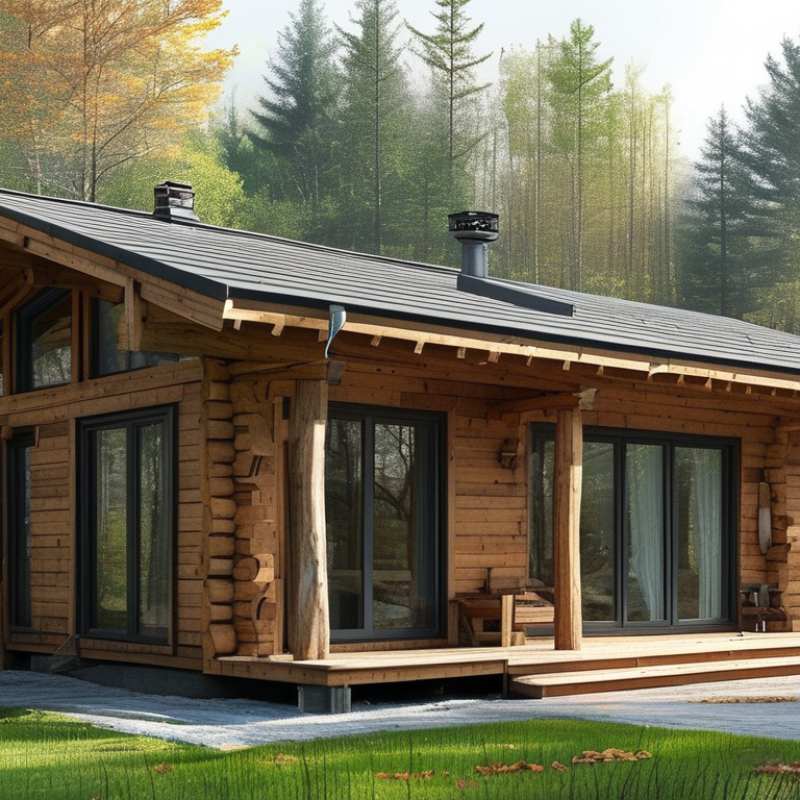
Log cabin manufactured homes are becoming popular for their eco-friendly advantages. The use of renewable wood sources minimizes environmental impact. Natural materials like timber provide excellent insulation. This can lead to energy savings, reducing reliance on heating and cooling systems.
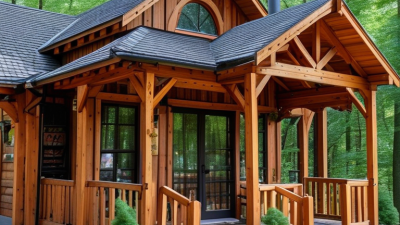
These homes often feature designs that blend with nature. Large windows bring in natural light and connect residents to the outdoors. The earthy aesthetic promotes a serene atmosphere, benefiting mental well-being. Choosing log cabins can inspire reflection on our lifestyle choices and how they affect our planet.
However, not every log cabin is created equal. Some may not use sustainably sourced wood, which undermines their eco-friendly intent. Potential homeowners should consider the sourcing of materials when choosing their home. Remaining informed and vigilant ensures that the focus on sustainability remains robust and meaningful.
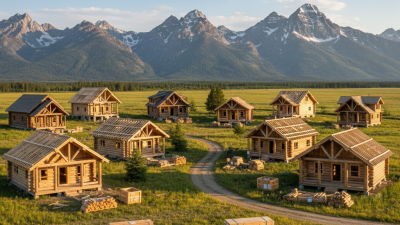
Log cabin manufactured homes are known for their durability and longevity. Built from solid logs, these homes can withstand harsh weather conditions. The natural materials resist wear and tear better than many conventional building materials. This means less frequent repairs and a longer lifespan for the home.
Many owners have shared their experiences with log cabins lasting decades without significant maintenance. The insulation properties of logs also provide energy efficiency, reducing heating and cooling costs. Log cabins can handle high winds, heavy snow, and even termites better than some alternatives. However, proper maintenance is essential. Regular inspections can help identify potential issues before they become serious problems.
While log cabin homes offer many advantages, some concerns arise. Aesthetic preferences vary widely. Some people may find the rustic look less appealing over time. Moreover, if not treated properly, logs can be susceptible to rot or insect infestation. Balancing the unique charm of log homes with their upkeep is crucial. Overall, log cabin homes present both incredible benefits and challenges that deserve careful consideration.
Log cabin manufactured homes offer unique energy efficiency benefits. Their natural wood structure provides exceptional insulation. This helps maintain a comfortable temperature year-round. The thick logs act like a thermal mass, absorbing heat during the day and releasing it at night. This feature can lead to reduced heating and cooling costs.
When considering energy efficiency, mindful design plays a crucial role. Windows oriented towards the sun can enhance natural lighting. Proper insulation in the roof and floors further improves energy retention. Such measures can create a more sustainable living environment. However, not all designs maximize efficiency. Careful planning is essential to avoid common pitfalls.
Proper maintenance is equally important for energy efficiency. Regularly check the seals around windows and doors. This prevents drafts and energy loss. Consider using energy-efficient appliances to complement your log cabin’s design. Small changes can lead to significant savings. By integrating these elements, you can enjoy a cozy home while being environmentally responsible.
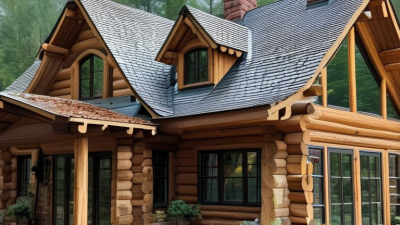
Log cabin homes offer distinct aesthetic appeal that sets them apart from conventional houses. The natural beauty of wood creates a warm and inviting atmosphere. The rich textures and earthy tones can blend seamlessly with a variety of landscapes. Each log cabin can be uniquely designed to reflect personal tastes. This allows for a high degree of customization, enhancing both the interior and exterior charm.
Customization options are vast. Homeowners can choose the type of wood and finish that best suit their vision. Architectural styles can range from rustic to modern, ensuring a perfect fit for any lifestyle. Windows, porches, and even roof designs can be tailored to personal preferences. This degree of flexibility means that homeowners are not just buying a house; they are creating a home that resonates with their identity.
However, it is worth considering the maintenance required for log cabins. Wood needs regular care to withstand weather changes. The aesthetic appeal can come with ongoing responsibilities that may surprise some owners. Balancing beauty with practicality is essential when designing these homes. Continuous reflection on how to maintain both the look and longevity of a log cabin is crucial for all homeowners.
| Benefit | Description | Customization Options |
|---|---|---|
| Aesthetic Appeal | Log cabins offer a rustic charm and natural beauty that enhances any landscape. | Choice of log types, finishes, and colors to fit personal taste. |
| Energy Efficiency | Well-insulated log homes provide sustainable energy solutions, reducing heating and cooling costs. | Options for energy-efficient windows and insulation upgrades. |
| Durability | Log homes are strong and long-lasting, resisting the elements effectively. | Various treatment options to enhance resistance to pests and moisture. |
| Sustainability | Built from renewable resources, log homes are eco-friendly and sustainable. | Customization for using reclaimed wood or certified sustainable materials. |
| Versatility | Can be designed for various styles such as traditional, modern, or hybrid. | Customization in layouts, sizes, and additional features like porches or decks. |
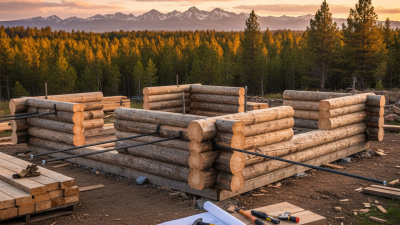
Log cabin manufactured homes offer several cost advantages over traditional houses. Many people are drawn to these homes due to their affordability. The construction process is often more efficient, reducing overall costs. Additionally, purchasing these homes can be less expensive than buying a conventional brick-and-mortar house. Savings can be significant, especially for those on a tight budget.
They also come with lower maintenance expenses. Log cabin homes typically require fewer repairs over time. The materials used can withstand various weather conditions, minimizing wear and tear. This longevity can lead to greater savings in repairs and replacements. However, not everyone may consider this initial investment worthwhile. Some may prefer the aesthetic appeal of traditional homes.
Financing options for log cabin manufactured homes are often flexible. Many lenders recognize their value and provide suitable mortgage solutions. Yet, potential buyers should weigh their choices carefully. Understanding the long-term financial implications is essential. Cost-effectiveness is not the only factor in buying a home; lifestyle preferences play a role too.
“I went to the woods because I wished to live deliberately, to front only the essential facts of life, and see if I could not learn what it had to teach, and not, when I came to die, discover that I had not lived.”
- Henry David Thoreau