DWELL BEYOND THE ORDINARY
Cabin homes have become increasingly popular for those seeking tranquility and a close connection to nature. As expert architect Sarah Connors notes, "Cabin homes are not just structures; they embody a way of life that prioritizes simplicity and serenity." This sentiment resonates deeply with many who long for a peaceful retreat away from the hustle of urban living.
The benefits of cabin homes extend far beyond their rustic charm. They offer a unique blend of affordability, eco-friendliness, and comfort. For many, these homes serve as a sanctuary, providing a perfect escape from daily stresses. Imagine waking up to the sound of chirping birds and the gentle rustle of leaves, surrounded by stunning landscapes.
Choosing a cabin home represents more than just a housing decision. It reflects a lifestyle choice that values sustainability and emotional well-being. While there are challenges to consider, such as maintenance and location, the rewards often outweigh these concerns. Cabin homes can encourage self-reflection and a slower pace of life, urging us to appreciate the little things that truly matter.
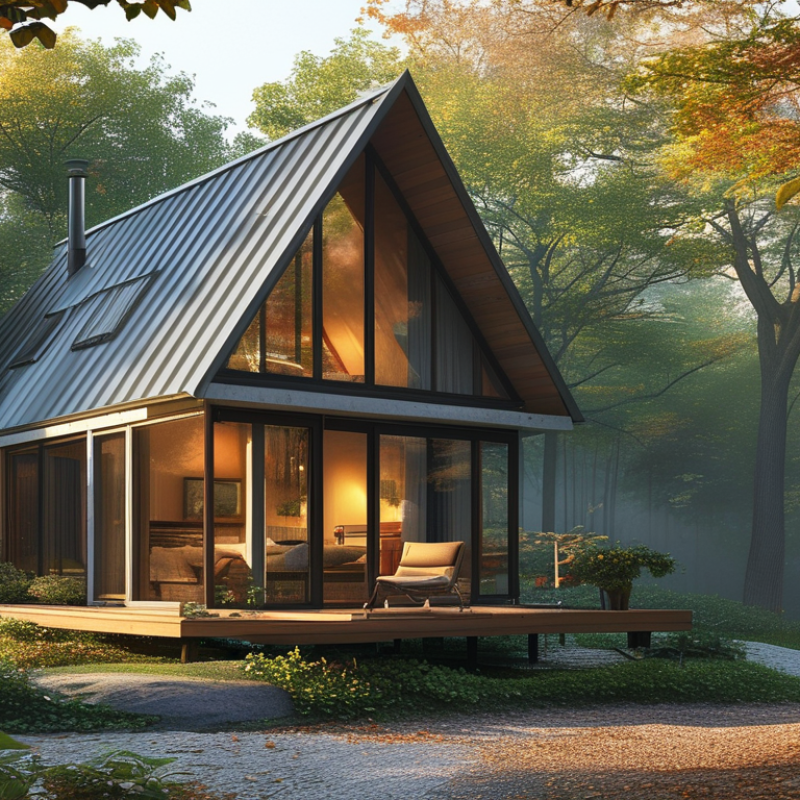
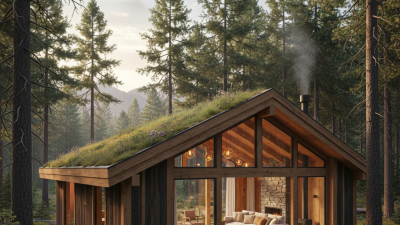
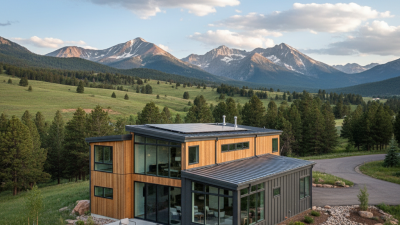
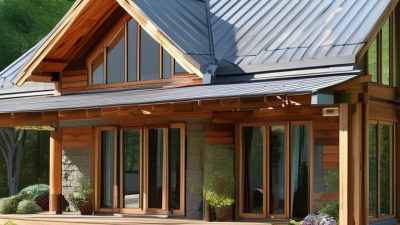
Cabin homes embody charm and simplicity, seamlessly blending with their natural surroundings. Their rustic aesthetics create a warm and inviting atmosphere. Wood finishes combined with stone elements provide a cozy feel. Large windows offer breathtaking views, connecting the interior to the serene outdoors. This unique design encourages mindfulness, allowing residents to breathe deeply and appreciate nature.
Living in a cabin fosters a sense of tranquility. The natural materials promote a healthier living environment. The energy efficiency of these homes also stands out. They often feature excellent insulation, reducing energy costs. However, maintenance can sometimes be a challenge. Rot and pest issues may arise in wooden structures, requiring regular inspections.
Cabins often encourage a simpler way of life. They help eliminate distractions, focusing on what really matters: family, friends, and nature. The connection to the environment can also inspire sustainable practices. While modern conveniences can bring comfort, they might detract from the cabin's essence. Striking a balance is key for cabin owners.
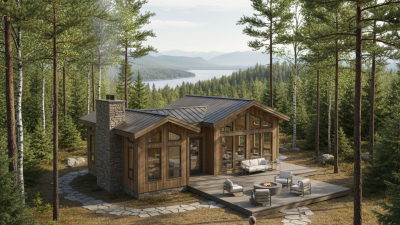
Wooden cabins have gained popularity for several reasons, with energy efficiency being a key advantage. The natural insulating properties of wood help maintain a stable indoor temperature. This means homes remain cooler in summer and warmer in winter. A well-designed cabin can significantly reduce energy consumption. Many owners appreciate this aspect since it reduces utility bills over time.
Wood also absorbs moisture, enhancing indoor air quality. This feature can lead to a more comfortable living environment. However, it's crucial to select the right type of wood and ensure proper maintenance. Neglect can lead to issues like rot or pest problems. Homeowners must stay vigilant in their upkeep to enjoy these benefits fully.
Additionally, wooden materials are biodegradable, offering an eco-friendly choice for environmentally conscious individuals. Choosing sustainable wood contributes to forest conservation. However, the efficacy of this approach highly relies on responsible sourcing and production practices. Consumers should always look for certified woods. This commitment can help protect resources for the future while enjoying the charm of cabin living.
This bar chart illustrates the top benefits of energy efficiency in cabin homes, highlighting areas such as insulation and sustainability. The scores reflect their importance and effectiveness in making cabin homes a preferable choice for environmentally conscious homeowners.
Cabin homes uniquely promote eco-friendly living. Their designs often utilize natural materials like wood and stone. This choice minimizes environmental impact. Many cabins use sustainable timber from responsibly managed forests. This approach helps conserve biodiversity.
Energy efficiency is another key advantage. Many cabins incorporate large windows for natural light, which reduces the need for artificial lighting. Additionally, many are designed to maximize passive solar heating, which can cut down on energy costs.
However, building a cabin can pose challenges. Not every site is ideal. Some locations may lack access to essential resources. Furthermore, self-sufficient systems, like off-grid energy, require careful planning. Reflecting on these factors is crucial for successful sustainable living.
Cabin homes provide significant long-term savings for owners. The initial costs can be lower than traditional homes, especially in rural areas. This affordability attracts many buyers searching for budget-friendly options. Many cabin homeowners find energy costs are reduced too. Tiny homes, which share similar principles, often have less space to heat and cool.
Tips for potential cabin home buyers: consider the location and weather patterns. Building materials can affect your long-term costs significantly. Use energy-efficient options wherever possible. These choices contribute to lower utility bills.
Investing in a cabin home offers unique advantages. However, property taxes and maintenance require careful consideration. Minor repairs can turn into larger expenses if ignored. Regular upkeep is essential to avoid costly issues down the line. Understand the commitment of owning a cabin home. It can be rewarding but comes with its own challenges.
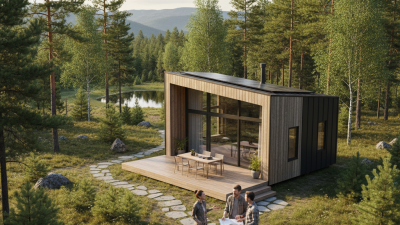
Living in a cabin provides a unique connection to nature. Surrounded by trees and fresh air, you can breathe easier. This environment encourages mindfulness. The tranquility of the woods invites you to slow down and reflect. Cabin living can help reduce stress. Many people find peace away from urban chaos.
Nature has a profound impact on our psychology. Studies show that being in natural settings improves mood and well-being. The sounds of chirping birds and rustling leaves create a calming atmosphere. Sunlight filtering through branches can elevate your spirits. Cabin homes often encourage outdoor activities like hiking and fishing, which further enhance mental health.
However, cabin living isn't for everyone. Limited amenities may feel inconvenient. Isolation can also lead to feelings of loneliness. It requires a willingness to adapt. Yet, many discover the benefits outweigh the drawbacks. Embracing this lifestyle can foster a deeper connection with both nature and oneself.
“I went to the woods because I wished to live deliberately, to front only the essential facts of life, and see if I could not learn what it had to teach, and not, when I came to die, discover that I had not lived.”
- Henry David Thoreau