DWELL BEYOND THE ORDINARY
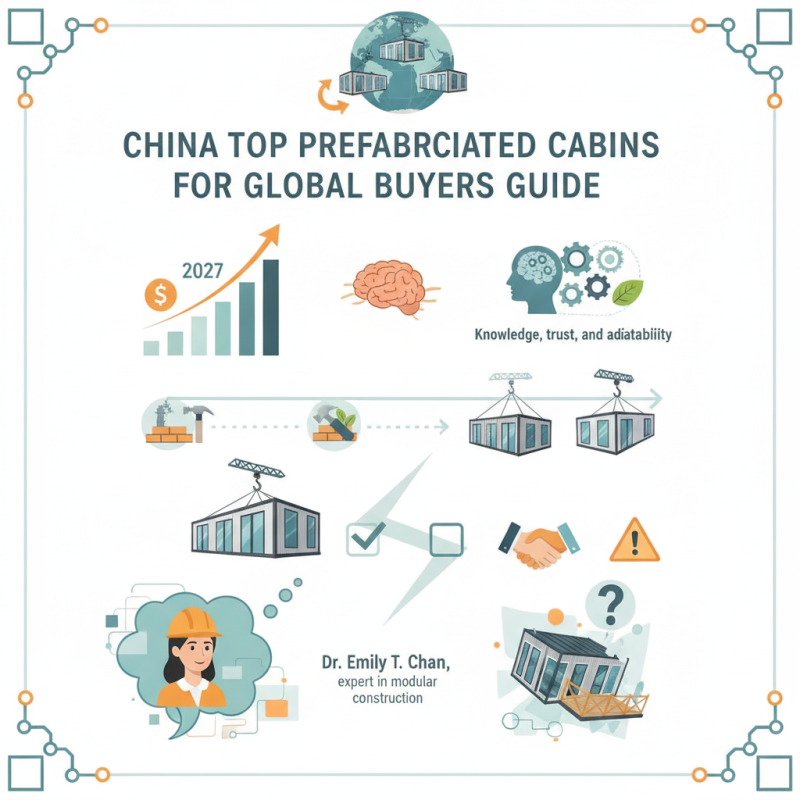
The global demand for prefabricated cabins has surged significantly. According to Allied Market Research, the prefabricated construction market is expected to reach $197 billion by 2027. This rise is driven by the need for quick, cost-effective building solutions that emphasize sustainability. As traditional construction methods face challenges, prefabricated cabins offer flexibility and efficiency.
Dr. Emily T. Chan, an expert in modular construction, emphasizes the importance of these structures. She states, "Prefabricated cabins are redefining the way we think about space and efficiency." This innovation is transforming various sectors, from rural housing to temporary office spaces. The adaptability of these cabins meets diverse consumer needs, but they also present unique challenges.
Despite the benefits, the industry must address issues like quality control and regulatory compliance. The expansion of prefabricated cabins may inadvertently lead to variations in standards. Buyers should be cautious and seek reliable suppliers with proven track records. Overall, navigating this evolving market requires a blend of knowledge, trust, and adaptability.
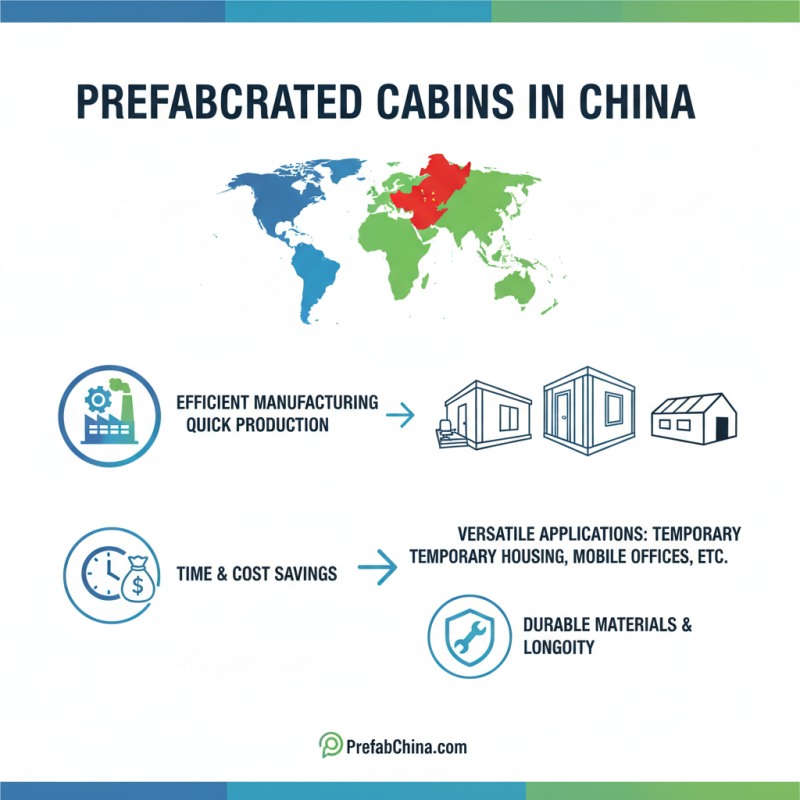
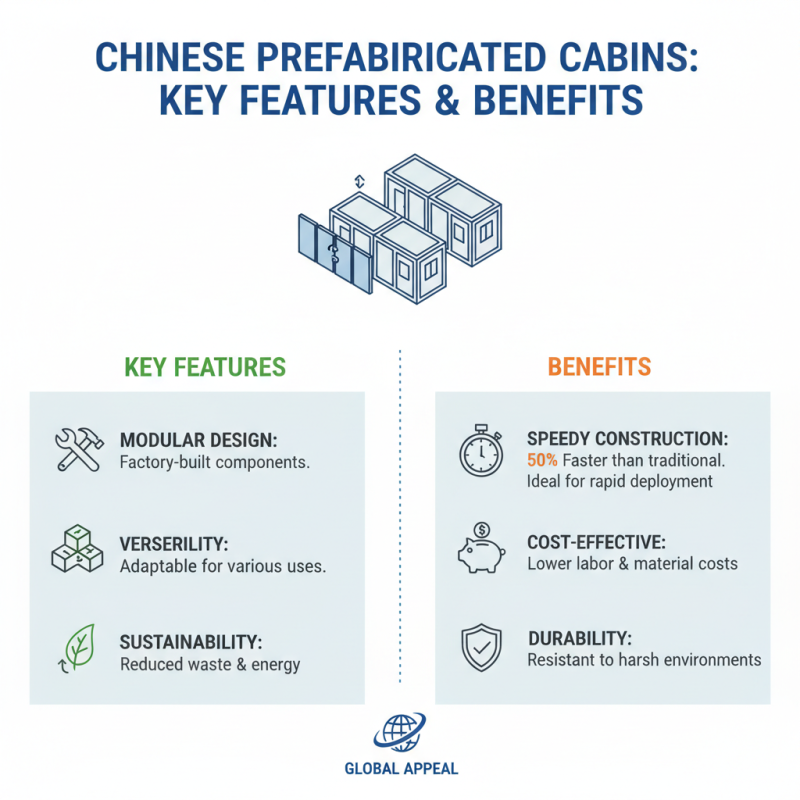
China has become a significant player in the prefabricated cabin market. These cabins offer versatile solutions for various applications, from temporary housing to mobile offices. Their manufacturing process allows for efficient production, which can save time and costs. Prefabricated cabins are often made from durable materials, ensuring longevity even in harsh conditions.
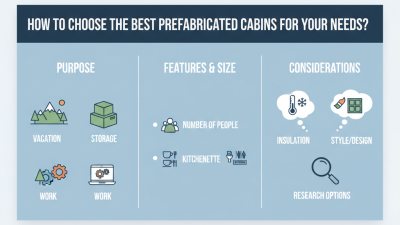
When considering prefabricated cabins, it’s essential to evaluate the design. The layout should suit your needs while optimizing space. Remember to check insulation options. Good insulation enhances comfort and energy efficiency. These cabins can be customized, but keep in mind, customization can lead to delays.
Tips: Always ask for flexibility in delivery schedules. This can help manage expectations. Research local suppliers and their reputations. Reading reviews can reveal their reliability. Additionally, view past projects if possible. This will provide insight into their work quality.
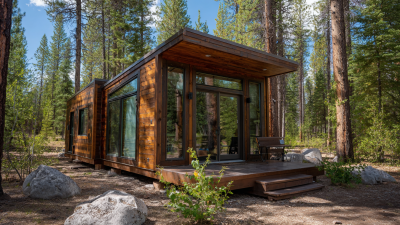
Chinese prefabricated cabins are becoming increasingly popular among global buyers. Their appeal lies in several key features. One significant benefit is the speed of construction. Studies show that prefabricated cabins can be assembled up to 50% faster than traditional buildings. This time-saving aspect is critical in industries requiring rapid deployment, such as disaster relief and remote work sites.
Cost-efficiency is another important attribute. According to a report by the Global Modular Construction Market, prices for prefabricated structures are generally 20% to 30% lower than conventional building methods. This reduction stems from lower labor costs and minimized waste during production. Buyers often report satisfaction with these savings, although they sometimes overlook long-term maintenance expenses.
Moreover, these cabins offer flexibility in design and application. They come in various sizes and configurations, suitable for living quarters, offices, or storage. However, potential buyers should consider that not all manufacturers maintain the same quality standards. Research is essential to ensure reliable sourcing. While many suppliers promise excellence, differences in material quality can lead to concerns about durability over time. Thus, understanding the balance between cost and quality becomes crucial for informed purchasing decisions.
China has emerged as a key player in the prefabricated cabin market. Its growth is propelled by strong manufacturing capabilities and innovative designs. Global buyers seek reliable solutions for temporary housing, offices, and more. China's suppliers excel in meeting diverse needs, offering custom solutions to various industries.
Leading manufacturers focus on quality and sustainability. They utilize advanced materials that withstand harsh weather conditions. Many firms invest in eco-friendly practices and energy-efficient designs.
However, some challenges persist. Communication barriers can arise, making collaboration tricky. Buyers must also navigate the vast landscape of suppliers to ensure reliability.
Understanding local regulations is vital for success. Some manufacturers may not meet international standards. Researching suppliers’ backgrounds helps mitigate risks. Buyers should ask for past project examples and client testimonials. This due diligence ensures informed decisions, promoting a smooth purchasing experience.
Quality, communication, and compliance remain crucial aspects for global buyers in China's prefabricated cabin market.
The global landscape for prefabricated cabins is evolving rapidly. Recent reports indicate a significant rise in demand, particularly in remote working sectors. A survey from the International Modular Association found that the global prefabricated housing market is expected to grow at a CAGR of over 6% from 2021 to 2026. This growth reflects a shift towards sustainable and efficient construction practices.
Countries are increasingly adopting prefabricated cabins for various applications, from temporary housing to permanent installations. In Europe, for instance, environmental concerns drive more builders to consider modular options. Local governments are also incentivizing the use of prefabrication to tackle housing shortages.
However, some challenges remain. The perception of quality often deters potential buyers. Many worry that prefabricated solutions may compromise living standards. Additionally, supply chain disruptions during the pandemic exposed vulnerabilities in timely delivery. This has prompted calls for more robust logistics solutions to meet growing demands. The future looks promising, but the industry must address these concerns to fully leverage its potential.
| Model | Material Type | Size (sq ft) | Usage | Price Range (USD) |
|---|---|---|---|---|
| Standard Cabin | Steel | 200 | Residential | $3,000 - $5,000 |
| Deluxe Cabin | Wood | 300 | Office | $7,000 - $10,000 |
| Eco-Friendly Cabin | Bamboo | 150 | Leisure | $2,500 - $4,000 |
| Construction Site Cabin | Aluminum | 250 | Construction | $4,500 - $6,500 |
| Portable Cabin | Plastic | 100 | Temporary | $1,500 - $3,000 |
When importing prefabricated cabins from China, understanding the process is key. The global demand for these structures increased by over 25% in the past five years, according to industry reports. This surge is driven by their cost-effectiveness and versatility. Buyers should prioritize quality assurance during sourcing. Many manufacturers in China offer certification, but due diligence is essential.
Consider these tips for international buyers: First, verify the manufacturer's operational history and client reviews. A reliable supplier often has a transparent production process. Second, communicate specific design requirements clearly. Clear guidelines can minimize misunderstandings, ensuring the final product meets expectations. Lastly, explore various shipping options. Different methods can significantly impact delivery times and costs.
While China provides competitive pricing, the complexity of import regulations cannot be overlooked. Tariffs may vary based on product specifications. Stay updated with changes in both local and international laws affecting imports. This knowledge helps mitigate risks associated with international transactions. Building strong relationships with suppliers can also foster smoother communication and negotiations.
“I went to the woods because I wished to live deliberately, to front only the essential facts of life, and see if I could not learn what it had to teach, and not, when I came to die, discover that I had not lived.”
- Henry David Thoreau