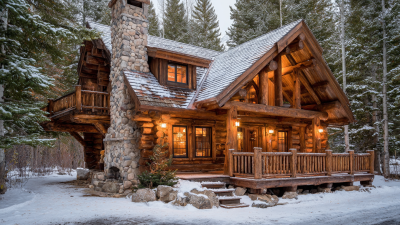
DWELL BEYOND THE ORDINARY
Choosing the ideal kit homes in Colorado can be challenging. The growth in the kit homes sector has been remarkable. Reports indicate that the market for prefab homes increased by 30% in the last few years. This rise reflects a growing interest in sustainable living and affordable housing solutions.
Kit homes Colorado offers a range of options that can fit various lifestyles and budgets. It's essential to consider factors like design flexibility and energy efficiency. In recent studies, 78% of homeowners appreciated the energy savings associated with modern kit homes. However, not all choices are suitable for every buyer. Some may find their homes lacking in unique character.
Many buyers underestimate site evaluations and local building codes. A thorough understanding of these aspects is crucial. Furthermore, customers should reflect on their long-term needs. What seems perfect today might not serve well in the future. Balancing immediate desires with future requirements is key to making the right choice.
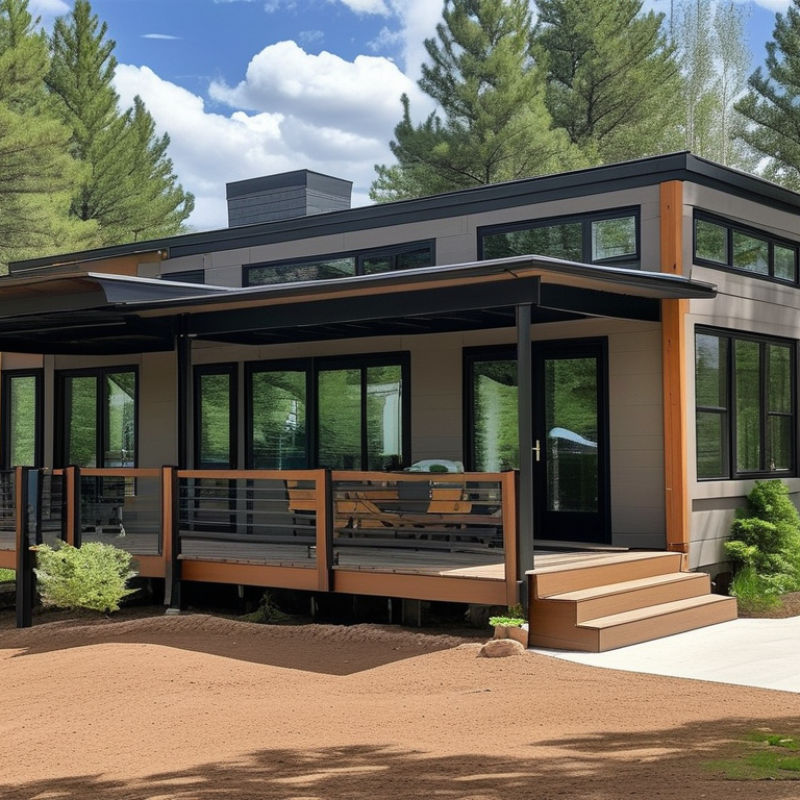
Kit homes have gained popularity in the U.S., especially in Colorado. These homes are prefabricated structures that come in packages. Homeowners appreciate their cost-effectiveness. Reports indicate that the kit home market is expected to grow by 10% annually until 2026. This trend highlights their rising appeal in the housing sector.
Understanding the materials used is crucial. Many kit homes employ sustainable materials like engineered wood and recycled steel. A 2022 study by the National Association of Home Builders noted that 30% of homebuyers prioritize energy efficiency. This data shows the demand for homes that reduce environmental impact. However, potential buyers should be cautious. Quality varies among manufacturers, and some homes may need modifications after construction.
Site preparation is another critical factor. Poor planning can lead to delays and added costs. Research by the Joint Center for Housing Studies revealed that 15% of new constructions face unexpected site challenges. This statistic emphasizes the importance of clear communication with contractors. Assessing local building codes is vital too. Some areas may impose strict regulations that affect the assembly process. Understanding these components will aid homeowners in navigating the complexities of building a kit home.

Choosing a kit home in Colorado involves multiple key considerations. First, assess your budget. Prices can vary widely based on size and design features.
Look into the total cost, including shipping and assembly. A smaller home may be cheaper upfront, but could lack space for future needs.
Next, consider the climate. Colorado experiences diverse weather. Evaluate insulation and materials that withstand cold winters and hot summers.
Some designs focus on energy efficiency, which can save costs in the long run. Finding the right balance is essential.
Customization options are also a crucial factor. Think about the layout and features that matter most to you.
It’s important not to rush this decision. A design that doesn’t fit your lifestyle can lead to dissatisfaction later. Research and reflect on what you truly need.
Choosing a kit home in Colorado requires understanding the different designs and styles available. Popular options include modern, rustic, and eco-friendly homes. The modern style often features open floor plans and large windows. Rustic designs emphasize natural materials like wood and stone. Eco-friendly homes focus on sustainability with energy-efficient features.
Research indicates that Colorado's kit home market is growing. According to industry reports, the demand for modular homes increased by 30% over the last five years. This trend highlights the appeal of cost-effective and customizable options for homeowners. However, not every design suits every lifestyle.
Variability in local regulations can complicate the process. Certain areas may have strict zoning laws that limit styles and sizes. Understanding these local nuances is crucial. Homeowners might encounter unexpected challenges, from construction delays to cost overruns. Navigating these issues requires careful planning and research. Each design has its pros and cons. Analyzing personal needs against available options can lead to a well-informed decision.
| Design Name | Square Footage | Number of Bedrooms | Number of Bathrooms | Average Cost |
|---|---|---|---|---|
| Mountain Retreat | 1,200 sq ft | 2 | 2 | $150,000 |
| Modern Family Home | 1,800 sq ft | 3 | 2 | $230,000 |
| Rustic Cabin | 900 sq ft | 1 | 1 | $100,000 |
| Eco-Friendly Home | 1,500 sq ft | 3 | 2 | $200,000 |
| Tiny House | 400 sq ft | 1 | 1 | $70,000 |
When considering a kit home in Colorado, evaluating your budget is crucial. The initial costs depend on the size and complexity of the design. Basic models may cost less, but you must also factor in land, permits, and infrastructure. Each aspect can significantly impact your overall budget.
Financing options vary widely. Traditional loans may work, but some lenders specialize in kit homes. Research is key. Understand what financial institutions require. Some people choose to pay cash, avoiding interest rates altogether. However, not everyone has that luxury.
Consider hidden costs like utility connections and landscaping. These can add up quickly, often overlooked in initial planning. You might be surprised by unexpected fees. A detailed plan will help manage these expenses effectively. Reflecting on your financial situation will guide you in making a more informed decision.
When considering kit homes in Colorado, understanding local regulations is crucial. Each county has its own building codes. These codes dictate what you can and cannot do with your property. Researching these local laws helps prevent delays. Visiting your local government website often provides valuable information. Reaching out to building departments directly can clarify questions.
Permits are another essential aspect. Most construction projects require specific permits. Failing to secure them can lead to fines or even project halts. Some areas may have additional requirements, such as zoning permits. Pay close attention to the land use regulations in your specific area. You may find that additional environmental assessments are needed.
Navigating these rules can feel overwhelming. Many homeowners have faced unexpected challenges. A well-prepared plan can ease this process greatly. Gathering documentation ahead of time is highly advisable. However, be prepared for unexpected changes. Local regulations can shift based on new policies or community needs. Approach your kit home project with flexibility and patience for the best outcomes.
“I went to the woods because I wished to live deliberately, to front only the essential facts of life, and see if I could not learn what it had to teach, and not, when I came to die, discover that I had not lived.”
- Henry David Thoreau