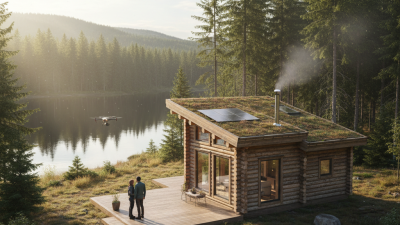
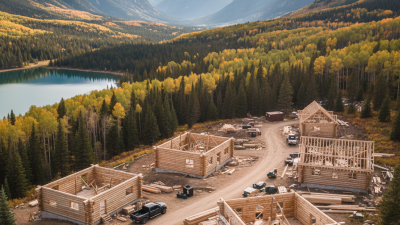
DWELL BEYOND THE ORDINARY
In recent years, prefab cabin kits have gained immense popularity among global buyers. These innovative solutions cater to various needs, from vacation homes to permanent residences. The rise of remote work has made these cabins more attractive. They offer potential buyers a way to escape the hustle and bustle of urban life.
Several companies now provide a range of options in prefab cabin kits. Some focus on sustainability, using eco-friendly materials. Others emphasize affordability, ensuring that everyone can access these stylish homes. However, not all kits meet high standards. It is essential to research and verify the quality of materials and construction.
As we look toward 2026, understanding market trends is vital for making informed decisions. Choosing the right kit can be overwhelming due to the variety of designs and features available. In this complex landscape, prospective buyers must weigh their options carefully. Each choice reflects individual priorities and budget constraints. The journey to owning a prefab cabin can be rewarding, but it requires thoughtful consideration.
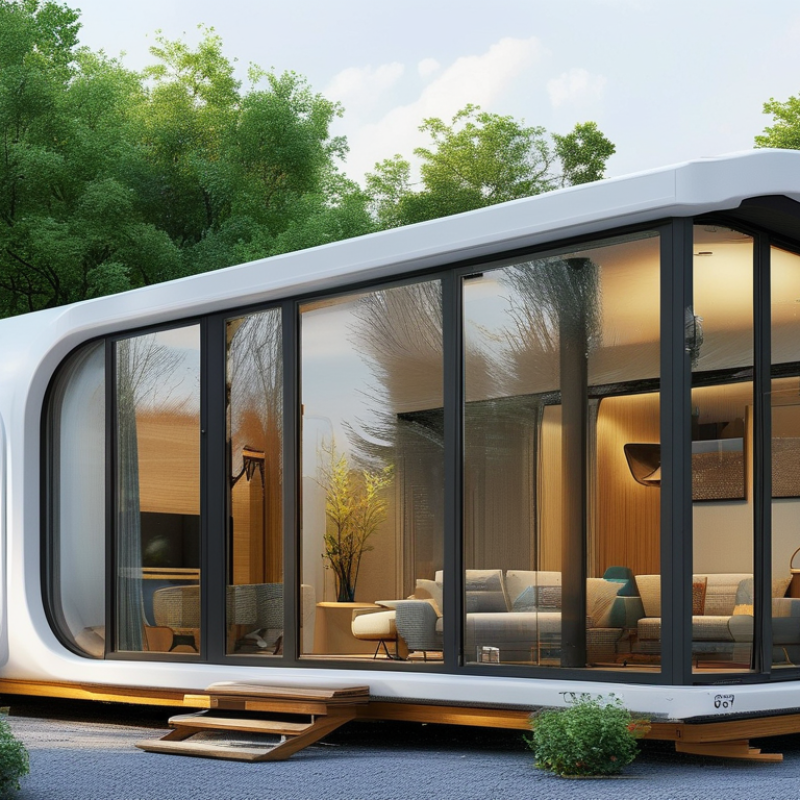
Prefab cabin kits are gaining popularity among global buyers. These kits offer a simplified approach to cabin building. They typically include all necessary materials and detailed instructions. As a result, they attract DIY enthusiasts and those looking to save on construction costs.
According to a recent report from the Modular Building Institute, the prefab housing market is expected to grow by 10% annually through 2026. One significant benefit of prefab cabins is their environmental efficiency. Many kits are designed using sustainable materials and energy-efficient systems. This aligns with the increasing consumer demand for eco-friendly housing options.
However, it's essential to consider the limitations. Not all prefab kits are fully customizable. Buyers may face restrictions in design choices. Some users report challenges with local zoning laws or building codes. This highlights the need for thorough research before purchasing a kit. Awareness of potential issues can lead to a more positive building experience.
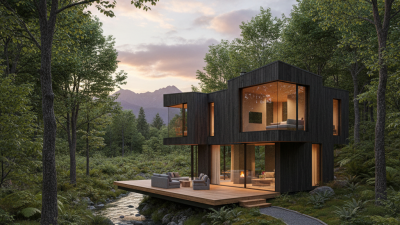
When considering prefab cabin kits, several key features emerge as critical for buyers. Durability is essential. Reports show that cabins built with robust materials like cedar or steel frames withstand harsh weather. A quality cabin can last for decades, minimizing the need for repairs.
Space efficiency also ranks high. Many buyers prefer layouts that maximize living areas without sacrificing comfort. Smart designs include multifunctional furniture and innovative storage solutions. A well-designed cabin can offer cozy living without feeling cramped.
Energy efficiency is another crucial aspect. Many modern kits incorporate sustainable materials and systems, like insulated walls and energy-efficient windows. Data suggests that energy-efficient cabins can lower utility costs by up to 30%. This not only appeals to eco-conscious buyers but also enhances long-term savings. Buyers should also consider local building codes and zoning laws, which can affect the assembly and placement of cabins. Being informed can save time and money in the long run.
| Cabin Type | Size (sq ft) | Material | Price Range ($) | Key Features |
|---|---|---|---|---|
| Modern Cabin | 400 | Wood | 25,000 - 35,000 | Eco-friendly materials, large windows, minimalist design |
| Rustic Lodge | 600 | Log | 40,000 - 55,000 | Natural wood finish, open floor plan, loft area |
| Compact Cabin | 250 | Steel | 15,000 - 20,000 | Space-saving design, modern aesthetics, easy assembly |
| Eco Cabin | 500 | Bamboo | 30,000 - 40,000 | Sustainable materials, insulation, energy-efficient |
| Family Retreat | 800 | Timber | 50,000 - 65,000 | Multiple bedrooms, large deck, luxury finishes |
| Adventure Lodge | 700 | Composite | 45,000 - 60,000 | Durable design, ample storage, outdoor space |
| Contemporary Pod | 350 | Fiberglass | 20,000 - 30,000 | Innovative design, easy transportation, water-resistant |
| Luxury Chalet | 900 | Stone and Wood | 70,000 - 90,000 | High-end finishes, spa-like bathrooms, gourmet kitchen |
| Garden Cabin | 200 | Wood | 10,000 - 15,000 | Ideal for gardening tools, shed-style design, easy access |
| Art Studio Cabin | 300 | Plywood and Glass | 18,000 - 25,000 | Bright interiors, creative layout, inspiring views |
In 2026, the market for prefab cabin kits will grow significantly worldwide. These kits appeal to diverse buyers, from eco-conscious families to minimalist adventurers. The designs vary widely, catering to different tastes and needs. Buyers can expect modern aesthetics that blend with nature. Many kits feature sustainable materials, encouraging greener living.
Customization is a vital aspect of these cabin kits. Buyers often seek flexibility in floor plans and materials. Some kits allow for unique configurations, enabling owners to create spaces that reflect their individuality. However, the assembly process can be challenging. Buyers should be prepared for potential hurdles, such as site preparation and local regulations.
Price points also vary, which creates opportunities and challenges. On the one hand, affordable options exist, making cabins accessible. On the other hand, budget constraints may limit choices in quality and size. Prospective buyers should conduct thorough research, weighing costs against their long-term desires. This process requires careful consideration of both immediate needs and future aspirations.
When considering prefab cabin kits, pricing and specifications are key factors for buyers in 2026. The market is evolving, making it essential to analyze the available options thoroughly. A cabin kit's cost can vary widely, influenced by factors like size, materials, and design. Some kits are priced affordably while others hit the luxury segment. Buyers often face the challenge of finding a balance between cost and quality. This inconsistency can lead to regret if the chosen kit does not meet expectations.
Specifications also play a significant role. A well-designed prefab cabin should have robust insulation and durable materials for longevity. Many kits offer customizable layouts and energy-efficient features. However, not every company maintains high-quality standards. In some cases, the specifications may not align with the marketing claims. Buyers should research the fundamental aspects thoroughly, focusing on material quality and assembly process. Ignoring these details can result in unexpected disappointments later on.
Navigating the prefab cabin market can be daunting. Pricing discrepancies and varied specifications mean that careful attention is necessary. Exploring customer reviews can provide insight. Engaging with professionals for advice may help clarify options. However, it is crucial to remember that advice can vary in reliability. Ultimately, informed decisions can lead to greater satisfaction in the long run.
Prefab cabins are becoming a popular choice for eco-conscious buyers. In 2026, we can expect significant advancements in design and sustainability. Innovative materials will lead the way. Bamboo and recycled steel could replace traditional wood. These choices may reduce environmental impact.
The design trends will likely focus on functionality and aesthetics. Modular designs can adapt to various landscapes. Some cabins may incorporate solar panels. This would enhance energy efficiency. Smart home technology could also play a vital role. Features such as automated climate control may emerge.
However, challenges remain. Not all builders will adopt sustainable practices. Quality control can vary widely. Buyers should research companies thoroughly. Understanding local regulations is crucial as well. The future of prefab cabins looks bright but requires careful consideration.
“I went to the woods because I wished to live deliberately, to front only the essential facts of life, and see if I could not learn what it had to teach, and not, when I came to die, discover that I had not lived.”
- Henry David Thoreau