Top 10 Formwork Magnet Suppliers for Global Buyers
Formwork Magnets help secure side forms and positioning components during precast concrete production. Their holding performance can affect setup time, alignment, and the consistency of repeated pours. A compact magnet may look simple, but its housing, release mechanism, and contact surface all matter. Small details matter.
This guide introduces ten Formwork Magnet suppliers for global buyers. It compares practical factors such as product range, stated holding force, available dimensions, customization, and technical support. These details are useful, but catalog figures alone cannot confirm how a magnet will perform on a particular production line. Buyers should check the supplier’s test conditions and confirm that the product suits their formwork material and working method. Ask for clear drawings, operating guidance, and information about inspection and maintenance. A sample or controlled trial can reveal fit issues before a larger order.
International purchasing adds another layer of planning. Lead times, packaging, spare-part access, and communication across time zones can affect project schedules. Documentation matters, too. Review warranty terms and product specifications carefully, and clarify which requirements apply to your own project. No shortlist is perfect. Supplier capabilities and service quality can change, while buyer needs vary by mold design, production volume, and site conditions. Use the comparison as a starting point, then verify key claims directly with each supplier. A careful choice is usually less about the biggest promise and more about dependable evidence.
What Formwork Magnets Are and How They Work in Concrete Construction
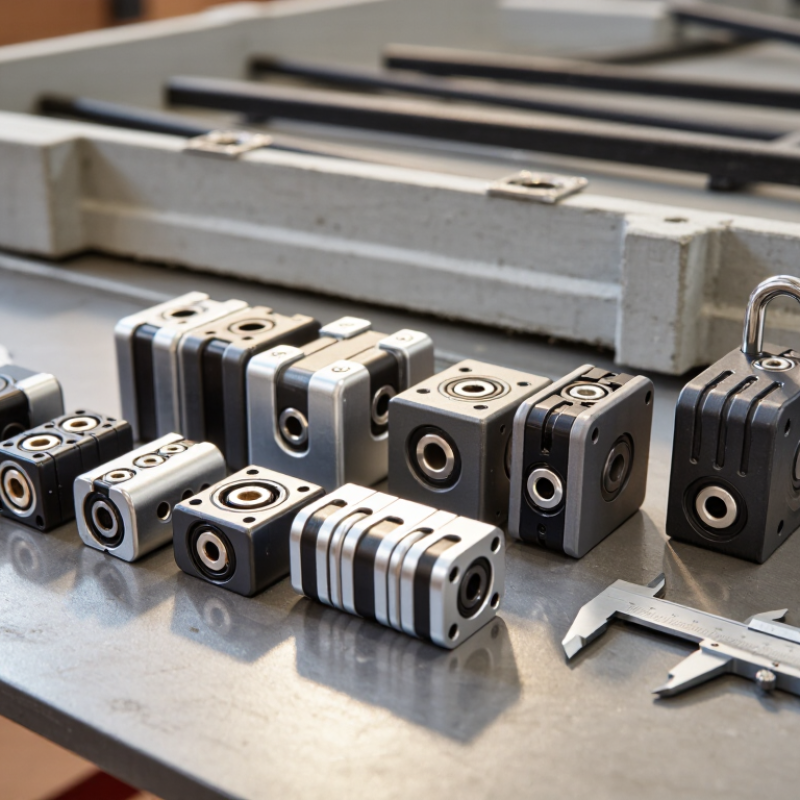
Formwork magnets hold steel formwork in position while concrete panels are cast. A typical unit contains a permanent magnet inside a steel housing, with a switchable mechanism and a top plate or adapter. The housing sits on a steel casting bed; activating the mechanism pulls the magnet firmly against the bed. This creates clamping force without drilling holes or welding temporary fixtures. It is a practical setup. But placement still matters.
Workers position the magnet and form, then check that the form is straight and seated tightly. The magnet resists movement during pouring and vibration, when wet concrete presses against the form. Its holding capacity depends on factors such as bed thickness, surface flatness, contact area, and cleanliness. Concrete residue or a small gap can reduce grip. Easy to miss. After curing, the operator releases the mechanism with the intended lever or tool and lifts the unit away. Magnets should be inspected for wear, damage, and buildup before reuse, and selected according to the supplier’s load data and the actual casting conditions. In practice, even a strong magnet cannot correct a poorly aligned form. That part takes attention.
Formwork Magnets in Concrete Construction: Typical Workflow
The bars show the order of common workflow steps, not measured durations or magnet performance. A formwork magnet attaches to a compatible steel casting table and holds the formwork in position during concrete production.
Key Criteria for Evaluating Formwork Magnet Suppliers
When comparing formwork magnet suppliers, look beyond the headline holding-force figure. Ask how it was measured, including steel surface thickness, contact area, and test direction. A rating from a clean laboratory plate may not match a dusty, worn production table. Check magnet dimensions, housing material, weld quality, and release-button travel. Small details matter. A stiff button can slow stripping, while uneven contact may let a panel shift during vibration.
Request current technical drawings, material specifications, and batch-level inspection records. Confirm that stated tolerances match the dimensions your formwork system needs. If possible, trial samples on your own steel beds and measure movement during a representative pour. Review coating durability, corrosion protection, replacement-part availability, and realistic production lead times. Supplier experience is useful, but dated claims are not proof. Documentation should be clear enough for your engineers to review without guesswork.
Tips: Compare suppliers using the same test setup, not different catalogue figures. Photograph sample installation and record any slipping, difficult release, or finish damage. Ask who handles technical questions after delivery. One missed detail can be costly; even careful checks cannot predict every site condition.
Top 10 Formwork Magnet Suppliers for Global Buyers
For global buyers, a “top 10” list of formwork magnet suppliers is most useful as a comparison tool, not a universal ranking. Projects differ in panel design, concrete pressure, production volume, and delivery location. A magnet that performs well on one steel table may not suit another. Details matter.
Compare suppliers on holding force, dimensions, steel quality, release mechanism, and compatibility with your formwork system. Ask for drawings, test data, and clear installation instructions. Check whether the quoted force reflects actual operating conditions, rather than an ideal laboratory setup. For international orders, confirm packaging, lead time, spare-part availability, and how technical questions are handled across time zones. Request a sample when practical, then test it on the same surface and workflow used in production.
Price is only one part of the decision. Look for consistent specifications, traceable quality checks, and written answers that address your application. A short trial can reveal whether the magnet shifts during vibration or releases cleanly after use. One awkward truth: a polished catalogue cannot prove dependable performance. Even a careful comparison has limits, so record test results and revisit supplier performance after delivery.
How Supplier Products, Certifications, and Services Compare
Top 10 Formwork Magnet Suppliers for Global Buyers
How Supplier Products, Certifications, and Services Compare
Comparing ten formwork magnet suppliers means looking beyond holding force and price. Product sheets should state dimensions, rated force, operating conditions, and compatible formwork systems. A compact magnet may suit a narrow steel table, while a larger unit can affect panel layout. Ask how force was measured and whether test results are available. Small differences matter.
Certifications deserve careful checking. Confirm the certificate issuer, validity period, and the specific product or factory covered. For export orders, request documents relevant to the destination market and intended application. Paperwork alone cannot prove consistent production quality. A sample inspection or batch test may offer useful evidence, though it takes extra time.
Service quality can separate similar offers. Compare drawing support, sample availability, response times, spare-part access, and warranty terms. Request a written delivery schedule and clarify what happens if magnets arrive damaged or fail inspection. A useful supplier explains limits, not just strengths. Some published specifications remain vague, and that should prompt follow-up questions. I would not rank a supplier on a fast quotation alone.
Steps for Choosing and Purchasing from a Formwork Magnet Supplier
Choosing a formwork magnet supplier starts with the job, not the catalogue. Record the panel material, magnet dimensions, required holding force, and expected concrete pressure. Include the release method and daily production cycles. Small mismatches can slow stripping or let magnets shift during vibration.
Ask for a technical datasheet and a clear description of how holding force was tested. Request samples matching your mold, then check placement, release, and cleaning on the production floor. A magnet that feels strong by hand may perform poorly against a painted, dusty, or uneven steel table. Ask about coating durability, corrosion protection, tolerances, and replacement parts. Get specifications, packaging, lead time, and warranty terms in writing. Worth checking.
Compare suppliers using the same drawing and operating conditions; otherwise, quotations are difficult to judge fairly. Look for inspection records and practical installation guidance, not only a low unit price. Confirm how defects are handled and who covers replacement shipping. A modest first order can test an unfamiliar design before a larger purchase. This may feel overly cautious, but it can expose fit problems early. Also plan for storage: debris and rough handling can damage magnet edges before installation.