Top 10 Benefits of Using Fleece Fabric for Your Projects?
Fleece Fabric is a versatile material that has become a popular choice for various projects. Many crafters and designers appreciate its unique combination of warmth and softness. This fabric is often used for making clothing, blankets, and home décor items. Its lightweight nature makes it easy to work with, yet it provides excellent insulation.
One of the standout features of fleece fabric is its durability. It withstands frequent washing without losing its quality. This reliability makes it suitable for both everyday wear and special projects. For those seeking sustainable options, fleece can also be made from recycled materials, which adds an eco-friendly aspect to your crafting.
However, working with fleece fabric may come with challenges. It can be slippery and difficult to cut, requiring practice to master. Additionally, some may find its tendency to pill frustrating. Despite these minor setbacks, the benefits of fleece fabric often outweigh the drawbacks. By exploring its many advantages, you can enhance your projects significantly.
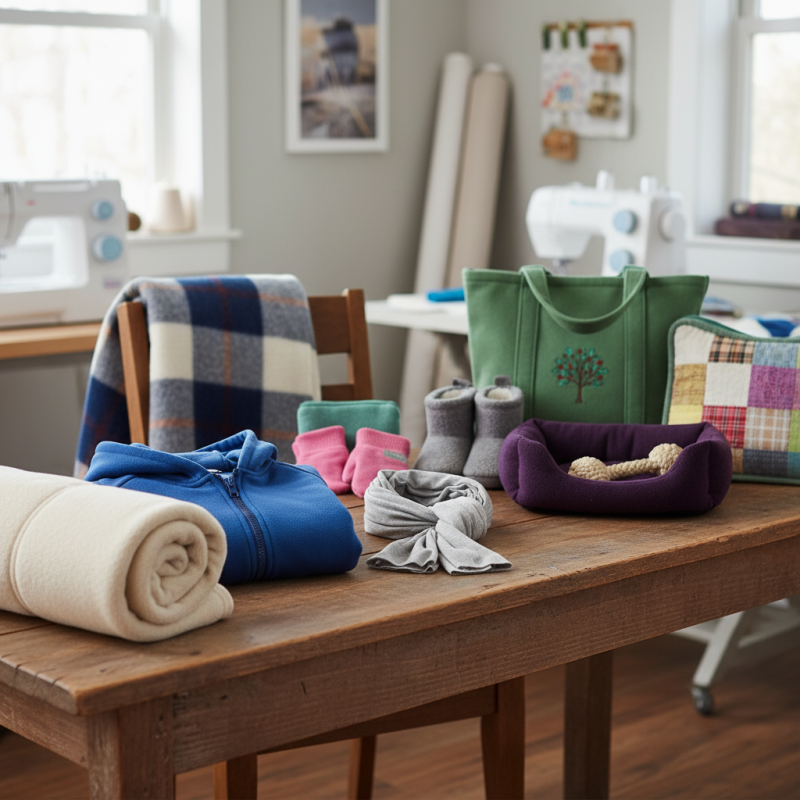
Benefits of Fleece Fabric: Introduction to Its Versatility in Projects
Fleece fabric offers exceptional versatility for various projects. Its unique blend of synthetic fibers makes it an ideal choice for both casual and formal applications. A comprehensive report by the Textile World indicates that fleece retains up to 90% of body heat, making it a top choice for cold-weather gear. This insulating property supports its use in jackets, blankets, and outdoor gear.
Moreover, fleece is lightweight and breathable, allowing for ease of movement. According to a study by the Technical Textiles Association, over 60% of consumers prefer fleece due to its comfort and softness against the skin. However, it should be noted that fleece can pill over time, impacting its aesthetic. Users need to weigh the comfort against durability in their project goals.
Fleece also comes in a variety of colors and patterns, offering creative freedom. Its affordability adds to its appeal for DIY projects and crafts. The environmental impact of fleece, particularly when washed, brings a need for reflection. While versatile, users should consider eco-friendly practices when using synthetic fabrics in their work.
Durability of Fleece: How It Stands Up to Wear and Tear Over Time
Fleece fabric is known for its impressive durability. It handles daily wear and tear remarkably well. This material can withstand frequent washing without losing its shape or softness. Many users appreciate how fleece maintains its quality over time. It doesn’t easily fray or pill, which is a common issue with many textiles.
When creating projects, reliability is crucial. Fleece offers that assurance. You can use it for blankets, clothing, or accessories, and it will hold up. However, it's important to consider how to care for it. Improper washing can cause it to lose some of its durability. Designers often find themselves reflecting on the balance between aesthetics and functionality.
In colder climates, fleece provides warmth while remaining lightweight. Its insulating properties are impressive, but they can lead to overheating if layered improperly. Users should think about their specific needs when choosing fleece. Testing different weights can help determine what works best for each project. Experience teaches that no fabric is perfect, and fleece is no exception.
Comfort Factors: Why Fleece Is a Top Choice for Wearable Items
Fleece fabric is increasingly favored for wearable items due to its unique comfort factors. Its softness and warmth make it a popular choice for clothing, especially in colder climates. According to the Textile World report, fleece can be up to three times more effective than cotton at retaining heat. This thermal efficiency is crucial for outdoor enthusiasts and those seeking cozy attire.
Breathability is another key feature of fleece. Research from the American Fabric Association indicates that fleece allows moisture to escape while providing insulation. This keeps the wearer dry, which is essential in varying weather conditions. However, it's essential to consider the potential for pilling, which can affect the fabric's appearance over time. This is something to weigh when deciding on long-term use.
Tips: Always wash fleece in cold water to minimize pilling. Avoid fabric softeners, as they can reduce breathability. For outdoor activities, layering fleece with moisture-wicking materials enhances comfort and usability. By considering these factors, you can maximize the benefits of fleece in your projects.
Top 10 Benefits of Using Fleece Fabric for Your Projects
| Benefit | Description |
| Warmth | Fleece provides excellent thermal insulation, making it ideal for cold weather apparel. |
| Lightweight | Despite its warmth, fleece is lightweight, allowing for comfortable wear. |
| Softness | Fleece has a soft texture that enhances comfort against the skin. |
| Moisture-Wicking | Fleece efficiently wicks away moisture, keeping the body dry during physical activity. |
| Durability | Fleece is resistant to wear and tear, allowing it to last through many uses. |
| Breathability | This fabric allows air circulation, preventing overheating while active. |
| Easy Care | Fleece is machine washable and quick to dry, making it simple to maintain. |
| Versatility | Fleece is suitable for a variety of projects, from clothing to home decor. |
| Cost-Effective | Fleece is generally inexpensive compared to other thermal fabrics, making it a budget-friendly choice. |
Insulation Properties: Keeping You Warm with Fleece Fabrics
Fleece fabric is renowned for its excellent insulation properties. It provides warmth without adding excessive weight. According to the Thermal Insulation Report, fleece can retain up to 90% of body heat. This makes it an ideal choice for outdoor clothing and blankets. The soft fibers trap air, creating a barrier against cold temperatures.
A key benefit of fleece is its breathability. It wicks moisture away, preventing the chills that come with wet fabric. This quality is essential for active wear, which requires both warmth and comfort. Weight for weight, fleece insulation is often superior to wool and down. It also dries quickly after washing, making it convenient for everyday use.
Tips for choosing fleece: Look for varying fabric weights. Lighter fleece is great for layering, while heavier versions are perfect for winter gear. Also, consider different fleece types—some are softer, while others resist pilling. Always test the fabric; you want a warm feel without compromising flexibility. Remember, while fleece is durable, not all types are created equal. Checking certifications can provide insight into quality and environmental impact.
Top 10 Benefits of Using Fleece Fabric for Your Projects
This bar chart displays the top 10 benefits of using fleece fabric for various projects, rated on a scale of 1 to 10. These benefits highlight the insulation properties, lightweight nature, and versatility of fleece, making it an excellent choice for apparel and home projects.
Eco-Friendly Options: Sustainability in Fleece Fabric Production
Fleece fabric has gained popularity for its comfort and warmth. But there's more to its appeal. The eco-friendly production of fleece plays a significant role in its growing acceptance. Many fleece options are made from recycled materials, significantly reducing environmental impact. This recycling process uses less energy compared to creating new materials. It helps divert waste from landfills and promotes a circular economy.
Sustainability in fleece production also extends to the manufacturing process. Innovative technologies minimize water and energy usage. Manufacturers pay attention to the environmental footprint of every step. However, not all fleece is created equal. Some fleece can still contribute to microplastic pollution during washing. This is a challenge that the industry must address. Consumers should consider this factor when choosing fleece options.
Choosing eco-friendly fleece supports a more sustainable future. It encourages responsible sourcing and production practices. While there is progress, the journey isn't complete. Awareness is necessary for consumers and manufacturers alike. Sustainable choices could reframe the relationship we have with fabrics. In a world focused on sustainability, every choice matters.