DWELL BEYOND THE ORDINARY
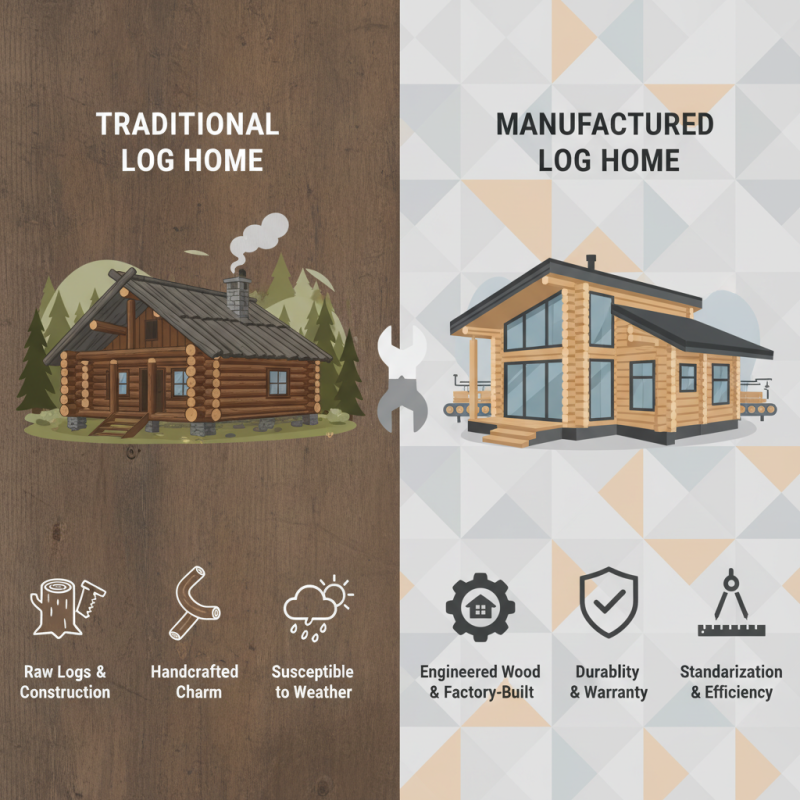
Manufactured log homes represent a unique approach to homebuilding. These homes combine the classic appeal of log cabins with modern construction techniques. They are crafted in factories, ensuring consistent quality and efficiency. This method contrasts sharply with traditional log homes, which are often constructed on-site from raw logs.
One key difference lies in the materials used. Manufactured log homes typically utilize engineered wood products. This enhances durability and energy efficiency. Traditional log homes might rely on solid logs, which can be more susceptible to weather-related damage. While both types of homes have their merits, potential buyers should consider their needs and lifestyle preferences.
Additionally, manufactured log homes often come with warranties and standardization. This can offer peace of mind and reduce unexpected issues. However, some may argue that they lack the charm of handcrafted builds. Therefore, buyers must weigh the pros and cons carefully before making a decision.
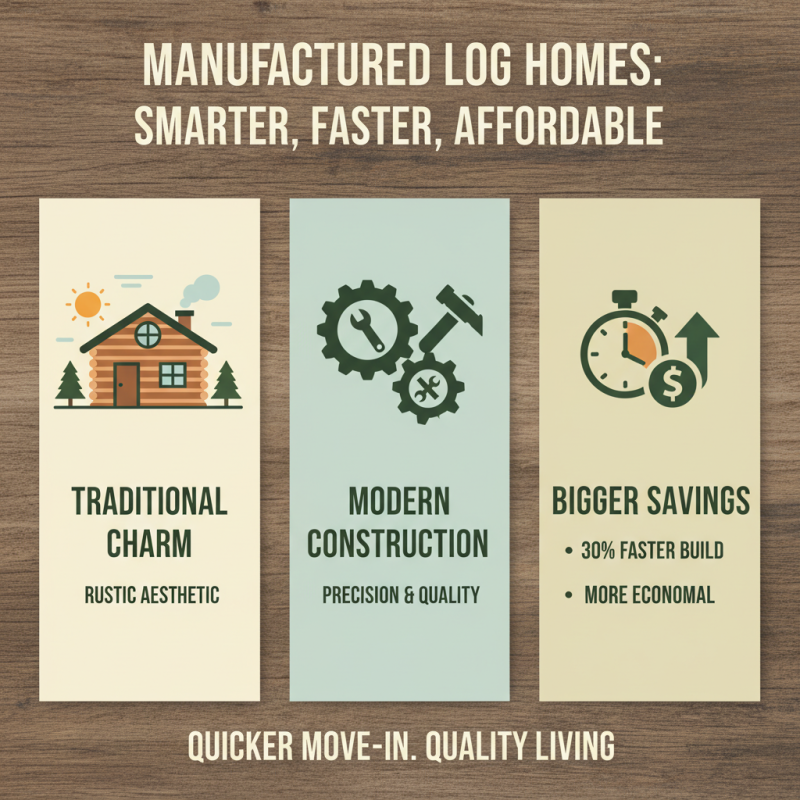
A manufactured log home is a type of pre-fabricated housing that combines the aesthetic appeal of traditional log cabins with modern construction techniques. These homes are built in a factory setting, ensuring precision and quality control. A report by the Log Homes Council notes that manufactured log homes can be assembled faster than traditional homes, reducing construction times significantly by up to 30%. This efficiency often appeals to those looking for quick and affordable housing options.
What distinguishes a manufactured log home is how it is constructed. Unlike traditional log homes, which utilize whole logs that are stacked to create walls, manufactured log homes use engineered wood products. These components are designed to mimic the look of natural logs while providing better insulation and stability. According to the National Association of Home Builders, this method can lead to improved energy efficiency and durability. However, some still question the long-term environmental impact of using engineered materials.
Despite these advantages, manufactured log homes may lack the charm and uniqueness inherent in handcrafted traditional log houses. Buyers must weigh the benefits of quick assembly and efficiency against a potential compromise in character. It's important to reflect on personal priorities when considering the choice between these two types of homes.
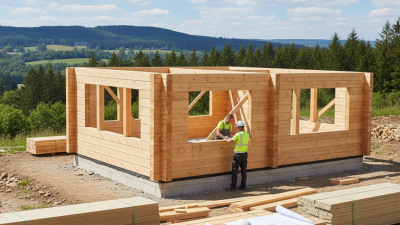
Manufactured log homes are distinct from traditional homes in design and materials. They often use engineered logs, which are crafted from smaller pieces of wood bonded together for strength. These logs are typically treated for durability. In contrast, traditional log homes utilize solid timber logs, creating a more rustic appearance. This difference in material affects insulation and energy efficiency significantly.
Key materials in manufactured log homes also include foam insulation and plywood. Foam insulation provides superior thermal performance, making the homes more energy-efficient. Plywood, often used in walls and roofing, offers structural support while keeping construction costs down.
However, the reliance on engineered materials can raise questions about long-term durability. Some homeowners may prefer the authenticity of solid logs. Understanding the balance between modern construction techniques and traditional aesthetics is essential. This choice reflects personal values and priorities in home design.
| Material Type | Characteristics | Uses in Manufactured Log Homes | Comparison with Traditional Homes |
|---|---|---|---|
| Engineered Wood | Strong, stable, and less prone to warping | Used for structural framing and logs | More durable than traditional solid wood |
| Log Veneer | Thin slices of real wood that mimic full logs | Exterior and interior finishes | More cost-effective and lighter than full logs |
| Insulation Materials | High thermal resistance, eco-friendly options | Enhanced energy efficiency | Traditional homes may use less advanced insulation |
| Composite Materials | Combining different materials to improve strength and durability | Used in walls and roofing systems | Traditional homes often rely on single-material construction |
| Adhesives and Sealants | High-performance, weather-resistant options | Bonding and sealing of structural components | Traditional wood joints may require more maintenance |
Manufactured log homes use advanced construction techniques that differ significantly from traditional homes. Unlike conventional methods, where lumber is cut on-site, manufactured homes are constructed in a factory. This process allows for consistent quality and often faster delivery. According to the Manufactured Housing Institute, these homes can be built 40% more efficiently than conventional structures, reducing time frames from months to weeks.
An important distinction lies in the materials used. Traditional homes often rely on locally sourced timber, which can vary in quality. Conversely, manufactured log homes are built with engineered wood products, increasing strength and durability. A study by the American Society of Civil Engineers indicates that homes built with engineered materials face less risk of structural failure. This highlights a notable point: while both homes have their advantages, the choice between them depends on individual needs and preferences.
Another factor is cost. Manufactured log homes typically cost less due to the streamlined construction process. However, their resale value can be unpredictable. A report by the National Association of Home Builders shows that manufactured homes often depreciate faster than traditional ones. This factor merits consideration for potential owners who seek longevity and investment stability in their housing decisions.
Manufactured log homes are an appealing choice for many homebuyers. They blend the rustic charm of traditional log cabins with modern construction techniques. Reports indicate that manufactured log homes can save up to 30% in construction time compared to traditional homes. This can make them a more economical option for buyers looking to move in faster.
They often use engineered materials, leading to improved energy efficiency. A study from the National Association of Home Builders found that energy-efficient homes can reduce utility bills by as much as 20%. These homes are also designed to be resistant to pests and weather-related issues, reducing long-term maintenance costs. However, not all buyers are aware that the aesthetics can differ from traditional logs. Some might miss the raw look of hand-hewn logs, which can lead to feelings of dissatisfaction.
When considering a manufactured log home, know your preferences. Do you value low maintenance and energy savings, or is the authenticity of traditional logs essential to you? It’s wise to weigh these factors carefully. Assess the quality of materials used in the construction. Asking for detailed information can help you make a more informed decision.
Manufactured log homes offer a unique appeal, but they come with potential drawbacks. First, these homes are often produced in factories, leading to standardization. This can limit customization options compared to traditional log homes, which are handcrafted on-site. Homeowners may find it harder to create a unique living space.
Another concern is the durability and lifespan of manufactured log homes. Unlike traditional logs that naturally age and settle, manufactured logs might not weather the same way. They can be more susceptible to moisture issues. This could lead to mold growth or structural problems over time. Buyers should investigate construction techniques and materials used in these homes.
Additionally, resale value should be considered. Manufactured log homes may not appreciate in value as much as traditional homes do. This can hinder future investment potential. Overall, major factors like customization, durability, and resale value need careful evaluation before choosing a manufactured log home.
This chart illustrates a comparison of key features between manufactured log homes and traditional log homes. As shown, manufactured log homes are generally more affordable and quicker to build, but traditional log homes often surpass in maintenance ease and customization options.
“I went to the woods because I wished to live deliberately, to front only the essential facts of life, and see if I could not learn what it had to teach, and not, when I came to die, discover that I had not lived.”
- Henry David Thoreau