zook cabins nationwide delivery area

What Is a King Size Mattress and Who Needs One?

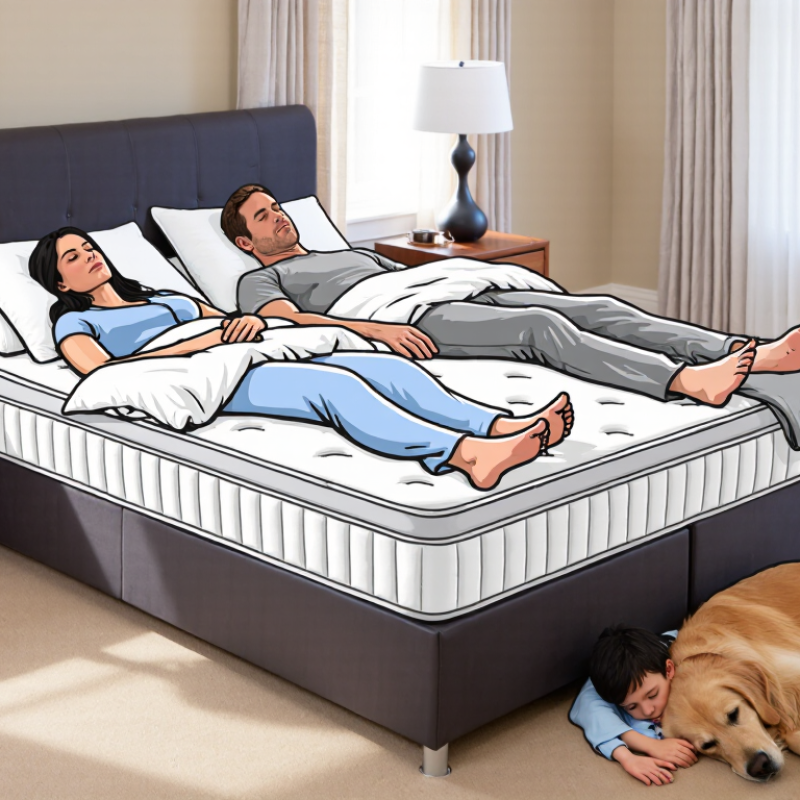
A King Size Mattress offers a generous sleep surface, measuring about 76 by 80 inches in the United States. That extra width can change bedtime completely. Couples gain more personal space. Tall sleepers receive additional length. Children or pets may occasionally fit beside them, although sharing the bed can still disturb sleep.

Dr. Shelby Harris, a board-certified behavioral sleep medicine specialist, has said, “Your bedroom should be cool, dark, and quiet.” A suitable mattress supports that goal by reducing movement and helping each sleeper settle comfortably. However, mattress size is only one part of the decision. Room dimensions, sleeping positions, body weight, and preferred firmness also matter. A large bed cannot fix poor support.

Think about the room carefully. A King Size Mattress needs more than its listed dimensions. The frame, bedside tables, and walking space require additional room. In a narrow bedroom, the mattress may dominate the floor and make morning movement awkward. Measure doorways, stairways, and corners before ordering. It sounds obvious. People still forget.

This guide explains what a King Size Mattress is and who may genuinely need one. It also examines common trade-offs, including price, bedding costs, partner disturbance, and bedroom layout. The “best” choice is not always the largest one. Sometimes, a Queen mattress leaves better circulation and more usable space. Your decision should match real habits, not an imagined luxury bedroom. Expect some uncertainty. Comfort often becomes clear only after several nights of careful testing.
What Is a King Size Mattress and Who Needs One?

King Size Mattress Dimensions: 76 × 80 Inches in the United States

What Is a King Size Mattress and Who Needs One?

In the United States, a standard king size mattress measures 76 × 80 inches. It is 16 inches wider than a queen, while keeping the same length. That extra width gives each adult about 38 inches of personal sleeping space. Couples may notice less contact during sleep, especially when one person changes positions often. It can also accommodate a child or pet occasionally, but the surface should not feel crowded.

Measure the bedroom before buying. A 12-by-12-foot room often feels more workable, though furniture can change the experience. Leave about 24 to 30 inches around the exposed sides for walking and changing sheets. Doorways, stairwells, and tight corners deserve attention too. I once focused on mattress size and overlooked the bed frame, which made delivery unnecessarily difficult. That mistake is easy to repeat.

An 80-inch length suits many adults, including some taller sleepers. People over six feet should still check their preferred sleeping position and allow space for pillows. A king may suit couples, restless sleepers, or anyone sharing space with children. It may not suit a small room or a limited budget, because sheets, frames, and foundations also need king-specific dimensions. Exact measurements can vary slightly between manufacturers, so verify the specification before ordering. Small differences matter.

King vs. Queen Mattress: Comparing 16 Inches of Additional Width

What Is a King Size Mattress and Who Needs One?

In the United States, a standard king mattress measures 76 by 80 inches. A queen usually measures 60 by 80 inches, according to sizing guidance from the Better Sleep Council. That creates 16 additional inches of width, not extra length. Shared equally, each sleeper gains about eight inches of personal space. It can feel significant when elbows, pillows, or a restless partner compete for room.

Sleep Foundation recommends seven to nine hours of sleep for most adults. Better movement space may support comfort, but a larger mattress cannot correct every sleep problem. Couples who sleep with children or pets may value the wider surface. Taller sleepers may still need a California king, because standard king length remains 80 inches. Measure carefully. A king also needs a wider frame, larger bedding, and clear walking space around the bed.

Room planning matters more than showroom excitement. The International Sleep Products Association’s industry reporting shows queen and king mattresses remain major standard categories, reflecting broad household demand. Yet popularity is not proof of fit. A 16-inch upgrade can make a narrow bedroom feel crowded, especially beside two nightstands. I recommend marking a 76-by-80-inch rectangle on the floor with tape. Walk around it at night. That simple test exposes problems a mattress display hides. I once underestimated door clearance; the bed fit, but the room felt awkward.

Sleep Space and Occupancy: When 38 Inches per Person May Matter

What Is a King Size Mattress and Who Needs One?

A standard king mattress measures 76 by 80 inches, according to Sleep Foundation’s 2024 mattress-size guide. Shared by two adults, that equals 38 inches of width per person. A queen provides only 30 inches each. That difference is easy to feel when shoulders touch, knees shift, or one sleeper reads late.

The 38-inch figure is not a medical rule. It is a practical space calculation. The Better Sleep Council’s mattress-shopping guidance emphasizes body size, sleeping position, and movement needs when choosing a bed. Side sleepers may need more shoulder and hip room. Tall sleepers may need length, not extra width. A king also helps couples who share space with a child or pet, though neither belongs in the calculation blindly.

Space matters during long nights.

The National Sleep Foundation has reported that bedroom comfort and mattress comfort strongly influence people’s sleep experiences. Still, a larger mattress cannot fix every problem. In my experience, extra width reduces accidental contact, but it may expose poor support or mismatched firmness. ISPA market reports also show that mattress purchases are often replacement decisions, not simple upgrades. Measure the room first. Leave walking space around the frame. A king needs more than the mattress footprint, and that detail is easy to miss.

What Is a King Size Mattress and Who Needs One?

A standard king mattress is 76 inches wide and 80 inches long. For two sleepers, that provides 38 inches of width per person—the same individual width as a twin mattress used by one person.

The chart uses standard U.S. mattress dimensions. Calculations assume one sleeper for a twin and two sleepers for full, queen, king, and California king mattresses. A king may suit couples who want maximum shared width, while a queen is more space-efficient for smaller rooms. Actual usable space can vary slightly by manufacturer and bedding.

Room Planning Standards: Allowing 24 Inches Around a King Bed

A king mattress typically measures 76 by 80 inches in the United States. It suits couples who value personal sleeping space, families sharing occasional bedtime, or bedrooms with generous proportions. Yet mattress size alone does not determine comfort. The surrounding floor area matters just as much.

Room planning standards commonly recommend at least 24 inches of clear space around each accessible side of the bed. Measure from the mattress edge, not only the bed frame. A thicker frame, padded headboard, or footboard can reduce the usable walkway. Keep doors, drawers, and closet panels in mind. They need room to open fully. In practice, 30 to 36 inches feels easier for daily movement, especially beside a dresser or bathroom door. Twenty-four inches is workable. It is not generous.

Before buying, place painter’s tape on the floor to mark the mattress and frame footprint. Walk the route at night. Try opening drawers while standing beside the taped outline. This simple test can reveal problems that a floor plan misses. A room may appear spacious until a nightstand and laundry basket fill the remaining gap. A king bed can fit technically, yet still feel cramped. That distinction deserves attention. Check heating vents, ceiling fans, outlets, and window access. Planning may require compromise; a slightly smaller bed can create a safer, calmer circulation path.

Who Needs a King Mattress? Couples, Families, and Tall Sleepers

A king size mattress usually measures about 76 by 80 inches in the United States. Dimensions can differ by region, so check local measurements before buying. Couples often choose a king for personal space, especially when one partner moves frequently at night. It also helps when children or pets occasionally climb in. Still, a larger bed cannot fix every sleep problem.

Tips: Measure the bedroom, doorway, and stairway first. Leave about 30 inches for comfortable walking space. Test the mattress together, because firmness preferences may differ. A split design can reduce partner disturbance, though the center seam may feel noticeable.

Families may appreciate the extra width during weekend mornings. However, a king mattress needs a strong, correctly sized frame and suitable bedding. Tall sleepers should check the mattress length, not only its width. At 80 inches, a standard king may feel short for someone over six feet two inches.

A California king adds length but reduces width, which changes the feel for couples. I have seen shoppers focus on sleeping space and forget the room’s visual balance. That mistake is easy to make. A king is not automatically better; it must fit the sleepers, room, and daily habits.

Ready for the Cabin Life?

“I went to the woods because I wished to live deliberately, to front only the essential facts of life, and see if I could not learn what it had to teach, and not, when I came to die, discover that I had not lived.”

- Henry David Thoreau