DWELL BEYOND THE ORDINARY
Choosing the right prefab log cabin kits can be a transformative experience. These kits offer a unique way to build your dream cabin without the hassle of traditional construction. Understanding what to look for is crucial.
Consider factors like quality materials and design flexibility. You should also think about your budget and local regulations. Some kits may look appealing but lack durability. Not all manufacturers provide the same level of detail or support, which can lead to frustration.
Research your options thoroughly. Read reviews and consult with experts. It’s essential to ensure your chosen prefab log cabin kit meets your needs and expectations. Missing a significant detail could impact your entire project. Take your time to reflect on the elements that matter most to you.
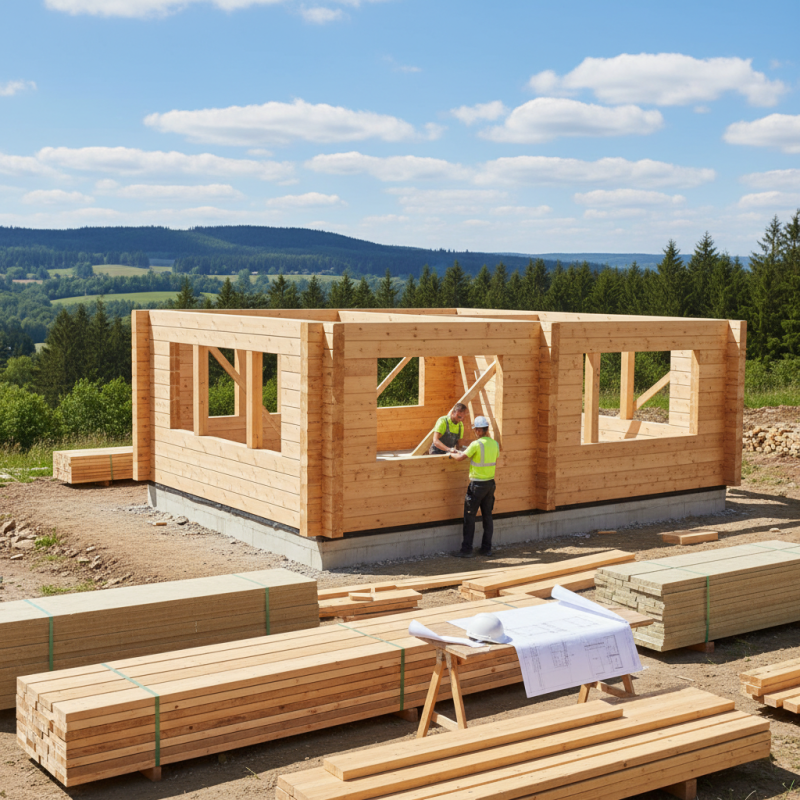
When evaluating prefab log cabin kits, start by considering the materials. High-quality wood is essential for durability. Look for logs that are sustainably sourced and treated for pests. This ensures your cabin will withstand the test of time. Pay attention to the thickness of the logs, as thicker logs provide better insulation and structural integrity.
Next, examine the design options available in the kits. A flexible design can adapt to various needs. Check whether the layout suits your lifestyle, whether for a weekend retreat or a full-time residence. Ventilation and natural light are important aspects. Some kits may not prioritize windows, which can impact air quality and comfort.
Lastly, customer reviews offer valuable insights. Look for feedback on assembly processes and overall satisfaction. However, not all experiences reflect the general quality. Some reviews may be overly positive or negative. Always consider multiple sources before making a decision. This due diligence is crucial for a satisfying purchase.
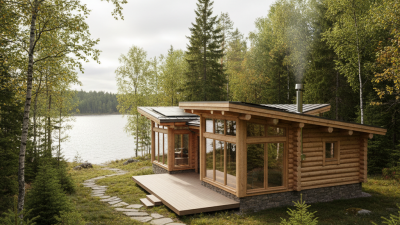
When choosing prefab log cabin kits, material selection is crucial. Common materials include solid timber, laminated logs, and modified wood. Each type has unique properties that affect durability and insulation. Solid timber is robust and traditional, while laminated logs offer dimensional stability and resist warping.
Research indicates that about 70% of prefabricated log cabins utilize modified wood, especially in regions with varying humidity. Modified wood is often treated to enhance durability and resistance to pests. This can significantly extend the lifespan of the cabin. However, it’s important to understand that not all treatments are equal. Some may contain chemicals that raise concerns about environmental impact.
Additionally, construction techniques play an important role. For instance, interlocking log systems are popular for their efficiency. They can provide better insulation and require less maintenance. However, there are challenges regarding installation precision. Poor alignment can lead to gaps, resulting in energy loss. As such, while choosing materials, consider the craftsmanship and assembly methods involved. The right combination can lead to a sustainable and aesthetically pleasing log cabin.
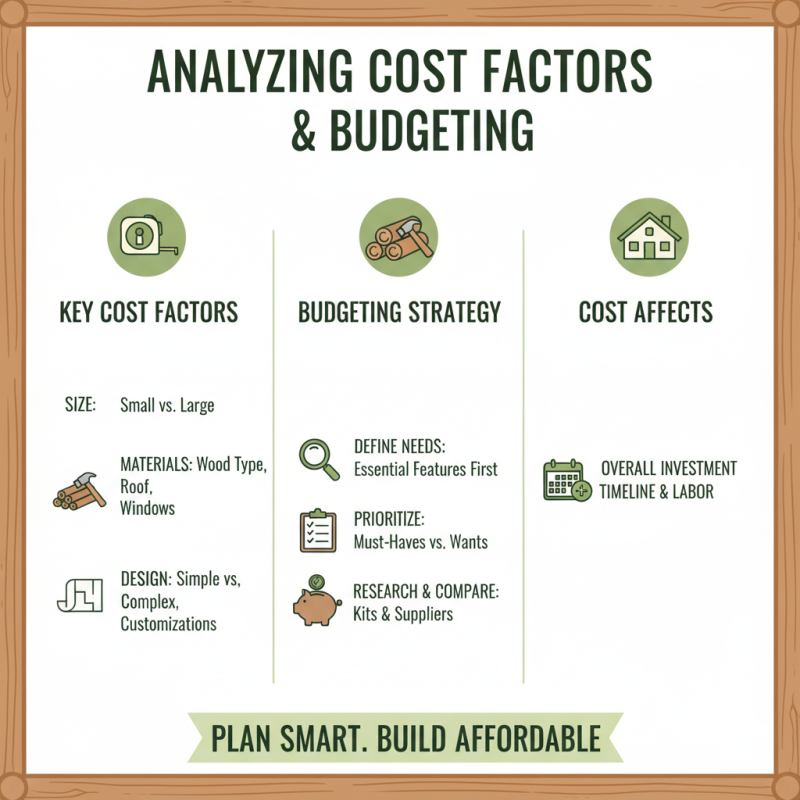
When considering prefab log cabin kits, budgeting is crucial. The overall cost varies significantly based on size, materials, and design choices. Start by defining your needs. A small, simple cabin will cost less than a large, intricate design. Focus on what features are essential. Do you need extra rooms or custom finishes? These decisions directly affect the budget.
It's also important to include hidden costs. Shipping fees for materials can add up quickly. Additionally, don’t forget about site preparation and installation. These processes often require professional help, which might not be included in the base kit price. A detailed estimate can help avoid surprises later.
Lastly, research financing options. There are various loans available for home construction. Look into grants or incentives that might apply. Assessing all financial aspects will provide a more accurate picture. By weighing these factors, you can make an informed choice. Balancing dreams with budget constraints is essential for a successful cabin project.
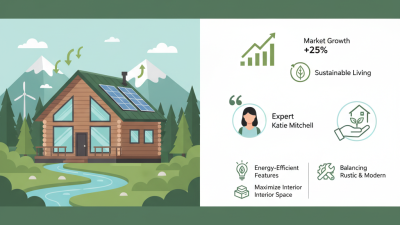
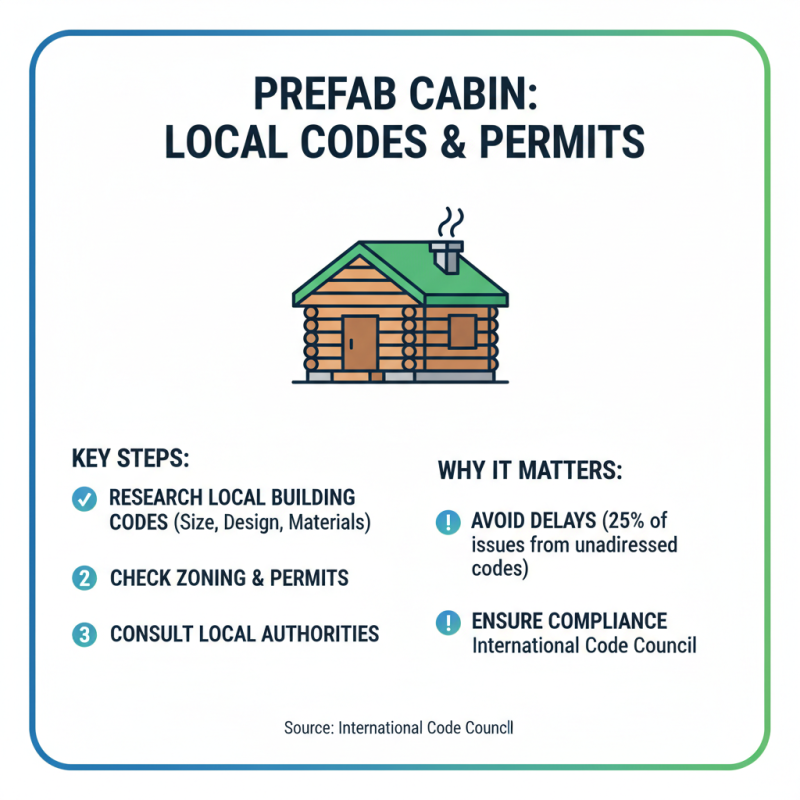
When planning to build a prefab log cabin, understanding local building codes is crucial. Different regions have unique regulations regarding size, design, and materials. According to the International Code Council, nearly 25% of issues related to construction delays stem from unaddressed local codes. Before committing to a kit, check with local authorities to ensure compliance.
Obtaining permits is another important step. The cost and duration for permits can vary significantly across locations. For instance, a study by the National Association of Home Builders revealed that permits can delay projects by 2 to 4 weeks on average. Familiarizing yourself with the permit application process saves time and prevents unnecessary headaches.
**Tip:** Consider consulting with a local architect who understands the nuances of your area. They can provide valuable insight on compliance, helping you avoid common pitfalls.
Be mindful that building codes can change. Keeping track of these updates is important to ensure your cabin is built to code. This may mean periodic checks or updates on local regulations over the course of your project. Balancing your vision with legal requirements can be quite challenging, but is essential for long-term satisfaction.
When choosing sustainable log cabin kits, environmental considerations play a crucial role. The construction industry is responsible for nearly 39% of global carbon emissions, highlighting the need for eco-friendly options. Prefab log cabins can significantly reduce waste due to their precise manufacturing processes. According to the U.S. Green Building Council, using sustainably sourced materials can cut the environmental impact by up to 50%.
Not all log cabin kits prioritize sustainable practices. It's essential to look for materials certified by organizations such as the Forest Stewardship Council (FSC). These certifications ensure that the wood is sourced responsibly, reducing deforestation and maintaining ecosystem health. In addition, insulation is vital. Energy-efficient cabins help minimize heating and cooling demands, potentially saving homeowners 30% on energy costs.
Furthermore, consider the footprint of the cabin. Smaller designs not only save resources but also blend better with natural landscapes. While larger cabins may seem appealing, they can lead to habitat disruption. Reflecting on one’s choices is necessary. Are we prioritizing aesthetics over sustainability? Thoughtful selection of log cabin kits can lead to beautiful homes that also contribute positively to the environment.
“I went to the woods because I wished to live deliberately, to front only the essential facts of life, and see if I could not learn what it had to teach, and not, when I came to die, discover that I had not lived.”
- Henry David Thoreau