DWELL BEYOND THE ORDINARY
Building your dream home is an exciting journey. One option that stands out is prefab log cabins. These structures combine tradition with modern convenience. They offer warmth, style, and durability. Choosing the right one can be challenging, though.
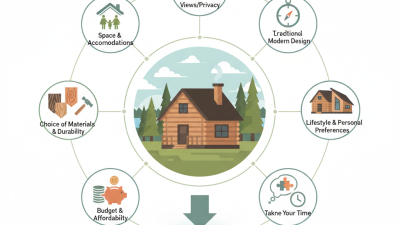
When exploring prefab log cabins, consider your lifestyle and design preferences. Are you seeking a cozy retreat or a spacious family home? Each cabin has unique features. Think about the layout, materials, and sustainability. These choices will impact your comfort and enjoyment long-term.
Moreover, it’s important to research different manufacturers. Inconsistent quality can lead to frustration later. Don't rush your decision. Reflect on what you truly need. Finding the perfect prefab log cabin requires thought and careful planning. Enjoy the process of creating a space that reflects you.
Prefab log cabins are becoming a popular choice for dream homes. They combine rustic charm with modern efficiency. Understanding the basics is vital before making a decision. According to a report by the Timber Products Manufacturers Association, the demand for log homes has seen a steady increase of 5% annually over the past five years.
Prefab log cabins come in various styles and sizes. Some feature open floor plans, while others have compact designs for easy maintenance. It’s essential to consider the local climate. A poor choice in insulation can lead to increased energy bills. Many buyers often overlook this aspect, leading to long-term regrets.
Manufacturers often provide customization options. However, customizing can escalate costs significantly. A recent study showed that around 30% of homeowners regretted spending too much on upgrades. This raises a question: how much is too much? Balancing aesthetics and budget is crucial in the decision-making process. When choosing your cabin, always weigh your priorities.
| Tip Number | Tip Description | Considerations |
|---|---|---|
| 1 | Choose the Right Location | Evaluate accessibility, scenic views, and local regulations. |
| 2 | Understand Local Building Codes | Research zoning and safety regulations applicable to your area. |
| 3 | Select Quality Materials | Opt for durable wood species and high-quality finishes. |
| 4 | Evaluate Design and Size | Choose a layout that fits your lifestyle and future needs. |
| 5 | Consider Energy Efficiency | Look for energy-efficient designs to save on utility bills. |
| 6 | Check Pre-Built Options | Explore pre-built cabins to expedite the building process. |
| 7 | Prioritize Maintenance | Choose materials and designs that require minimal upkeep. |
| 8 | Assess Utility Needs | Ensure access to water, electricity, and sewage systems. |
| 9 | Budget for Hidden Costs | Include permits, site preparation, and finishing costs in your budget. |
| 10 | Consult with Professionals | Work with architects and builders experienced in prefab log cabins. |
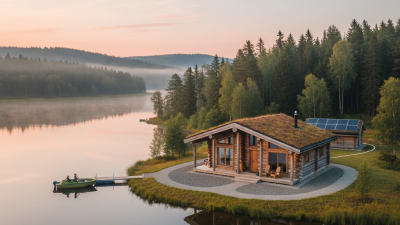
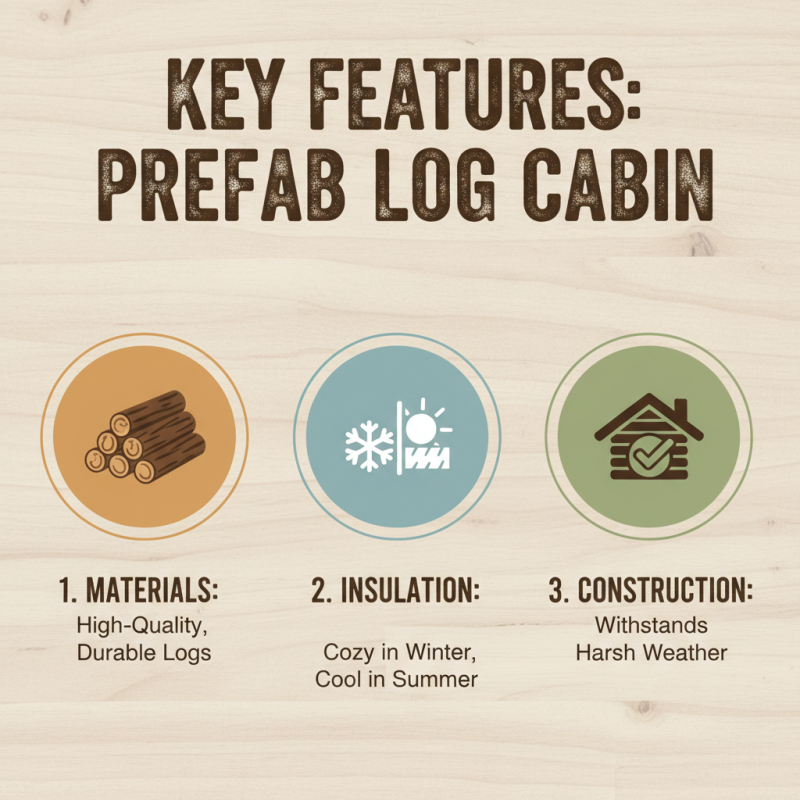
When choosing a prefab log cabin, key features are essential to ensure you make the right decision. Look at the materials used in construction. High-quality logs can withstand harsh weather. Compare insulation options. Good insulation keeps your cabin cozy in winter and cool in summer.
Another important aspect is the design. Consider the layout that best fits your needs. Open spaces can feel more inviting. However, small rooms might suit better for privacy. Don't forget about the windows. Larger windows offer natural light and beautiful views, but they may also require more maintenance.
Tip one: Pay close attention to the foundation. A solid foundation protects against moisture. Tip two: Think about energy efficiency. Solar panels may not be necessary for everyone, but they can save money long-term. Lastly, consider future expansions. Your needs may change over time. The ability to add on could be very important. Keep these factors in mind while searching for your dream cabin.
Choosing the right site for a prefab log cabin is crucial. Research shows that nearly 70% of cabin owners regret their site choice. Factors like accessibility, sunlight, and water supply are key. A well-chosen location can enhance your cabin's experience and value.
Consider the slope of the land. A flat area may seem ideal. But, it can lead to drainage issues. Sloped areas provide natural drainage but can complicate construction. Moreover, proximity to trees affects heating and cooling. Dense foliage can trap heat. It’s vital to strike a balance between beauty and practicality.
Inspecting soil quality is another crucial step. Poor soil can lead to settlement problems. Almost 40% of cabin foundations face issues due to improper site evaluation. When surveying, check for any signs of erosion or flooding. Addressing these concerns early saves time and money. Ultimately, picking the right site requires thorough research and consideration. Don’t rush your decision; it can affect your dream home for years.
When choosing prefab log cabins, customization is key. Many owners desire a unique design that reflects their personal style. A report from the National Association of Home Builders shows that nearly 70% of home buyers prioritize customization in their new homes. This trend opens up a world of possibilities. From layouts to materials, the options can be overwhelming.
Consider the type of wood. For instance, cedar offers natural resistance to decay but may be pricier. Pine provides a budget-friendly choice, but requires maintenance. The design should also incorporate local climate considerations. Extreme weather impacts durability and comfort. Small adjustments can make a huge difference.
Think beyond basic structures. With prefab options, you can include features like porches or loft spaces. Some owners regret not optimizing their space more effectively. Visualizing how you live in the cabin is vital. How many rooms do you need? Each choice echoes through the years. Balancing your vision with practical limitations is essential.
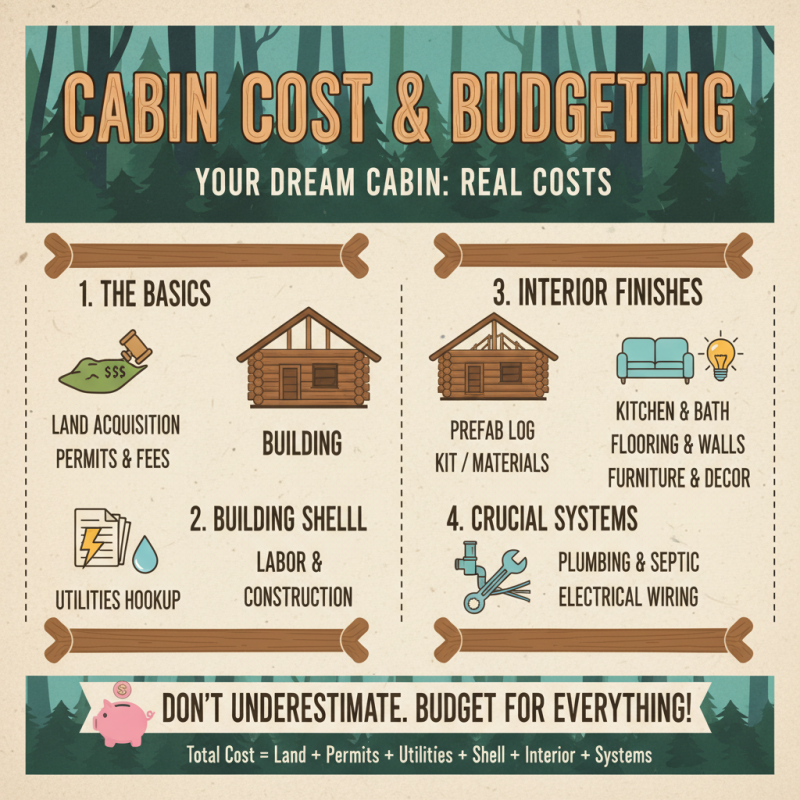
When budgeting for a prefab log cabin, start with the basics. Calculate the total cost, including land, permits, and utilities. Many underestimate the expenses involved. Don’t forget about interior finishes. They can add significantly to your budget. It’s easy to overlook details like plumbing and electric. These systems are crucial for comfort and functionality.
Explore financing options early on. Traditional loans may not cover all costs. Research lenders who specialize in prefab homes. This can save time and reduce confusion later. Also, account for potential price fluctuations in materials. Lumber prices can vary greatly, impacting your overall budget. It’s a good idea to keep a flexible approach to your plans.
Lastly, include an emergency fund in your budget. Unforeseen issues may arise during construction. This cushion can ease stress and help you stay on track. Reflect on your priorities. Are you drawn to luxury or practicality? Sometimes, compromising on size can open up more financial freedom. Consider what aspects truly matter to you in your dream cabin.
“I went to the woods because I wished to live deliberately, to front only the essential facts of life, and see if I could not learn what it had to teach, and not, when I came to die, discover that I had not lived.”
- Henry David Thoreau