DWELL BEYOND THE ORDINARY
Water Drainage is a critical aspect of infrastructure in many regions worldwide. Effective water drainage solutions prevent flooding, protect property, and promote public health. Factors like climate, geography, and urban design play significant roles in how water is managed. Understanding these elements can lead to better strategies for maintaining a reliable drainage system.
Many communities face challenges with their water drainage systems. Poor planning, outdated infrastructure, and extreme weather events increase the risk of water-related issues. Innovative solutions, including sustainable drainage systems, help address these challenges. Local governments and private entities must collaborate to create effective plans.
Ultimately, successful water drainage relies on both expertise and adaptability. Communities need to evaluate their specific needs and resources continually. Testing different methods and technologies will reveal the best options. By acknowledging past mistakes and learning from experience, we can develop efficient water drainage solutions for a sustainable future.
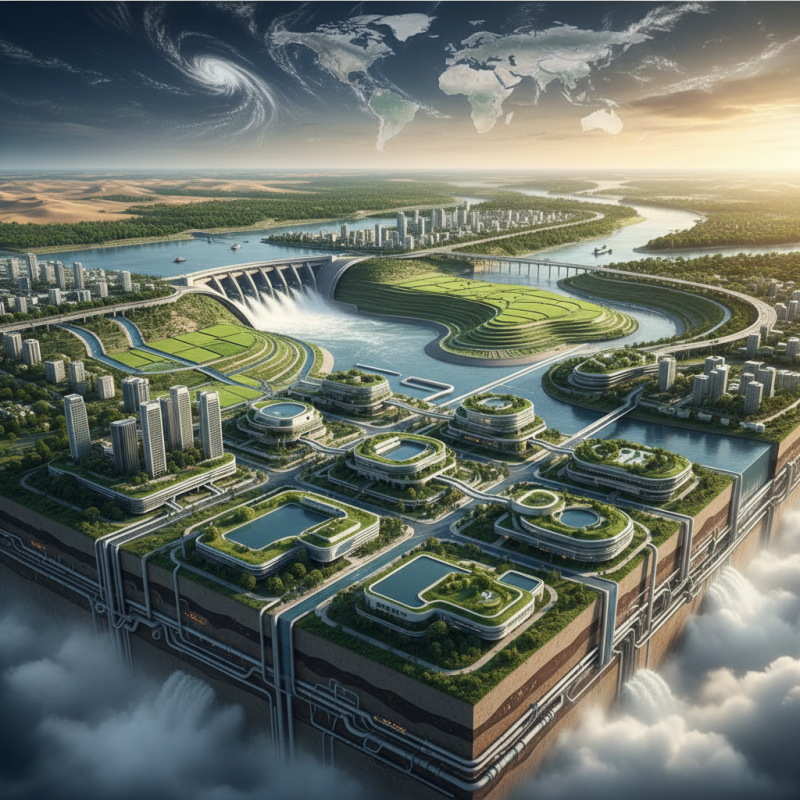
Water drainage is crucial for both urban planning and agriculture. Effective drainage systems help manage surface water and prevent flooding. According to a report by the World Bank, an estimated 90% of urban flooding is caused by inadequate drainage systems. These issues can lead to costly damages and even loss of life.
Implementing proper drainage solutions can enhance environmental sustainability. For instance, green infrastructure, such as rain gardens and permeable pavements, can reduce surface runoff by up to 80%. Such methods also improve groundwater recharge and support local ecosystems.
Tip: Regular maintenance is vital. Clear debris from drainage systems to ensure they work efficiently.
Ignoring drainage issues can lead to severe consequences, including waterlogged fields and damaged infrastructure. A study from the International Water Management Institute highlighted that poor drainage can reduce agricultural productivity by up to 50%.
Tip: Consider solutions like swales to direct water flow naturally.
Effective water drainage is not just about preventing floods; it supports community health and safety. Investing in drainage can save communities from future disasters.
Water drainage systems face various challenges worldwide. Urbanization often leads to increased runoff, overwhelming existing systems. Poor infrastructure can lead to blockages, creating potential flood risks. In rural areas, inadequate drainage can contribute to soil erosion and reduced agricultural productivity.
One effective tip to enhance drainage is to conduct regular maintenance. Clearing debris from drainage channels and catch basins can prevent serious issues. Another approach is to use permeable materials in construction. This allows water to seep through surfaces, reducing runoff. It's essential to consider local soil types and weather conditions when designing these systems.
Communities can also benefit from implementing green infrastructure. Rain gardens and bioswales can manage rainwater effectively. They not only improve drainage but also enhance local biodiversity. However, many areas lack awareness of these solutions. Education about the importance of drainage systems is crucial. Proper understanding can lead to community-driven initiatives that are effective and sustainable.
This chart illustrates common challenges faced in water drainage systems across various regions, along with their associated severity levels.
When dealing with residential water drainage, it's essential to focus on effective techniques. Proper drainage prevents water pooling around foundations. This helps protect your property from moisture damage. Homeowners should consider installing gutters that direct rainwater away from the home. Properly sized downspouts are crucial. They should be positioned to funnel water into designated drainage areas, not onto sidewalks or driveways.
Another approach is the installation of French drains. These systems consist of gravel-filled trenches that redirect water away from problem areas. Observing local soil types can guide the depth and width of these drains. It's not always a straightforward project. Improper installation can lead to future issues, creating mudslides or flooding. Property owners often underestimate the slope required for efficient drainage, which is a common pitfall.
Invasive plants can hinder drainage systems. Homeowners should regularly check for roots invading pipes. Keeping the area clear of debris and checking gutters monthly helps maintain flow. Simplicity often works best with drainage solutions. Sometimes, homes with established landscapes require multiple assessments before finding the right configuration. Don't shy away from professional advice if needed. The consequences of neglecting drainage can be costly.
| Technique | Description | Advantages | Ideal Applications |
|---|---|---|---|
| French Drain | A subsurface drainage system that collects and directs water away from foundations. | Prevents flooding, reduces soil erosion. | Basements, yards, and low-lying areas. |
| Rain Gardens | Planted depressions that absorb rainwater runoff from impervious surfaces. | Enhances aesthetics, filters pollutants, promotes biodiversity. | Residential landscaping, urban areas. |
| Permeable Pavement | Paving materials that allow water to infiltrate through the surface. | Reduces runoff, replenishes groundwater. | Driveways, walkways, parking lots. |
| Swales | Shallow channels designed to convey stormwater runoff. | Facilitates drainage, reduces flooding. | Roadside drainage, parks, large residential areas. |
Innovative technologies in water drainage management are transforming how we handle rainwater and wastewater. One promising approach is the use of smart drainage systems. These systems utilize sensors and IoT technology to monitor water levels in real-time. They can adjust drainage flow automatically to prevent flooding. The data collected helps in making informed decisions about maintenance and infrastructure upgrades.
Bioretention systems are also gaining traction. They use natural filtration processes to treat runoff water before it enters larger bodies of water. These systems mimic nature by incorporating soil, plants, and microbes. However, they require careful planning and regular maintenance to function effectively. Otherwise, they can become clogged and ineffective.
Moreover, permeable pavements are an interesting innovation. They allow water to pass through the surface, reducing runoff and promoting groundwater recharge. These materials can be less durable in some conditions and may require frequent replacement. It's essential for urban planners to evaluate local needs before implementing these technologies. Reflection on their effectiveness will guide further improvements.
Sustainable water drainage solutions are crucial in today’s climate crisis. Effective practices focus on minimizing environmental impact. Rain gardens, permeable pavements, and bioretention areas promote natural filtration. These methods enhance water quality and reduce urban flooding.
Implementing green roofs is another vital strategy. They absorb rainwater and decrease runoff. However, maintenance can be challenging. Proper training and resources are essential for success. Community involvement also plays a role. Educating the public helps foster collective responsibility.
While these solutions are effective, they often require reconsideration of urban planning. Inadequate infrastructure can hinder progress. Adaptation takes time and resources, which may be limited. Regular assessments ensure the longevity and effectiveness of the installed systems.
“I went to the woods because I wished to live deliberately, to front only the essential facts of life, and see if I could not learn what it had to teach, and not, when I came to die, discover that I had not lived.”
- Henry David Thoreau