DWELL BEYOND THE ORDINARY
When considering prefabricated cabins, various factors come into play. Many people seek these structures for their versatility and ease of use. You might think about their purpose. Are they for vacation, storage, or work? Each type requires different features.
The right selection involves assessing your needs. For instance, how many people will use the cabin? What amenities do you desire? A kitchenette? A bathroom? These choices impact size and layout.
Even though prefabricated cabins are designed for efficiency, not every cabin meets all expectations. Some may lack insulation or style. It's essential to reflect on what truly matters for your comfort and functionality. Exploring options thoroughly can help avoid future regrets.
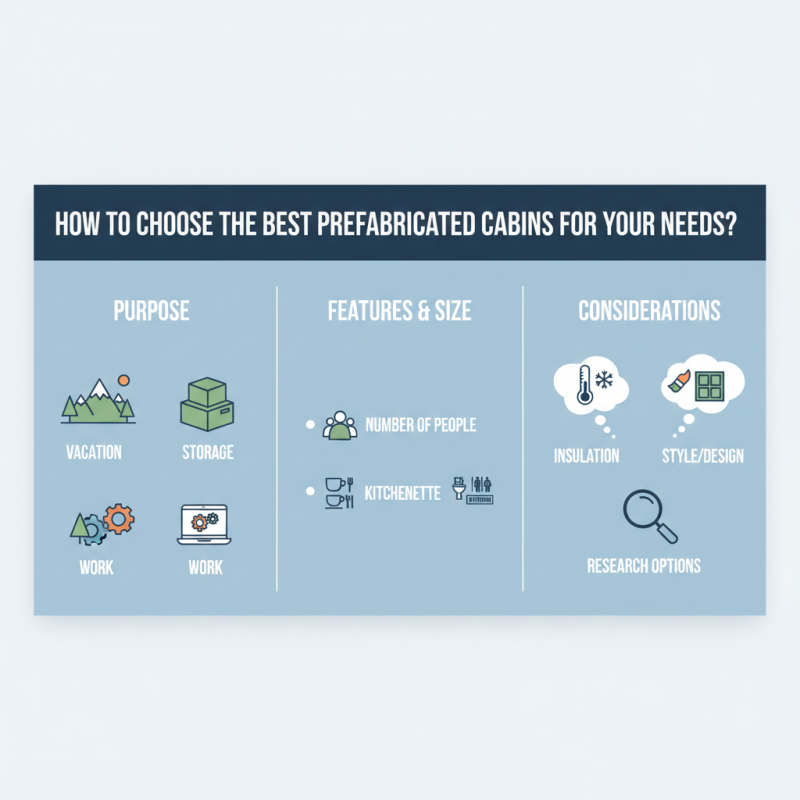
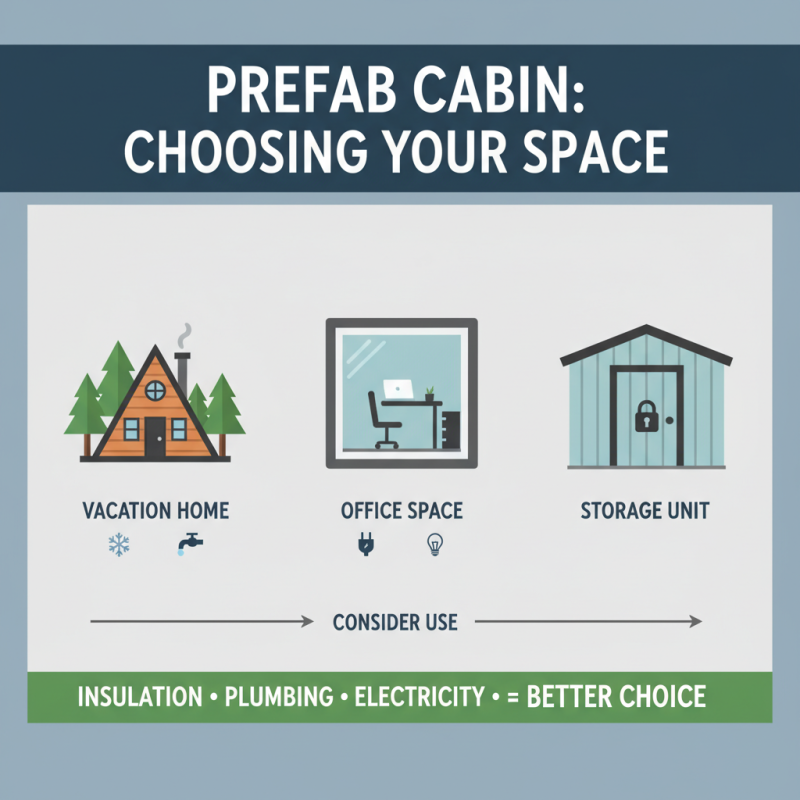
When selecting a prefabricated cabin, consider its intended use. Think about whether it will serve as a vacation home, office space, or storage unit. Each purpose has specific requirements. For living spaces, insulation and plumbing are crucial. A workspace might require electrical outlets and good lighting. Understanding your needs ensures better choices.
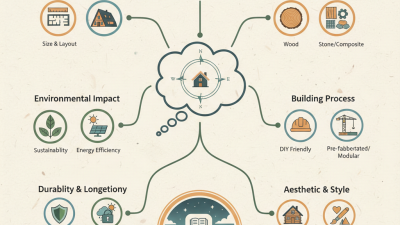
Next, focus on size and layout. Measure your available space carefully. This helps in visualizing how the cabin will fit into your environment. A small cabin can offer cosiness, but it may feel cramped. On the other hand, an oversized cabin can be daunting. Reflecting on how you intend to use the space will guide your decision.
Materials also play a significant role. Wood offers warmth and style, while metal provides durability. Think about longevity and maintenance needs. Each material has its benefits and drawbacks. It’s essential to weigh these carefully. Perhaps you lean towards aesthetics but forget about practicality at times. Balancing these aspects is vital for a satisfying purchase.
When selecting a prefabricated cabin, understanding the diverse types available is crucial. Prefabricated cabins can vary in material, size, and design. For instance, wooden cabins often provide warmth and natural aesthetics. Metal cabins, on the other hand, offer durability and can withstand harsh weather conditions. According to industry studies, wooden cabins typically have a 30-year lifespan, while metal structures can last up to 50 years.
Tips: Consider your climate. If you live in a place with heavy rainfall, a metal cabin might be a better choice. Think about insulation. This impacts your comfort level and energy costs.
Beyond materials, the purpose of the cabin matters too. Some people need a cozy space for leisure activities. Others may require a functional office or guest house. Sprucing up your selection can involve customizing layouts. Data shows that 70% of consumers prefer tailored solutions. Think about how much space you need. Too small, and it may feel cramped. Too large, and it could waste resources. Remember, balance is essential.
When choosing a prefabricated cabin, material quality is crucial. Wood, metal, and composite materials each have unique attributes. Wood offers natural beauty and warmth. However, it can be prone to rot and pests. Metal is durable but may require insulation against heat and cold. Composite materials are resistant to weathering but can be heavier and more expensive.
Tips: Consider your climate. A wooded area may need stronger materials to withstand harsh conditions. Also think about maintenance. Wood cabins may need regular sealing, while metal can rust without proper care. Choosing the right material affects longevity and comfort.
Ultimately, balancing aesthetic appeal with durability is essential. Reflect on your needs. If you prioritize eco-friendliness, wood may be ideal. For low maintenance, composites could be your best option. Each choice has trade-offs. Your decision should align with your lifestyle preferences and environmental considerations.
When selecting an energy-efficient prefabricated cabin, certain features are vital. First, look for high-quality insulation. It plays a key role in temperature regulation. According to the U.S. Department of Energy, proper insulation can reduce heating and cooling costs by up to 30%. This efficiency leads to lower energy bills and a reduced carbon footprint.
Another important aspect is the type of windows used. Double or triple-glazed windows provide superior insulation compared to single-pane versions. They can significantly decrease heat loss. A report from the Energy Efficiency Council states that well-chosen windows can enhance energy efficiency by 10% to 15%. This is crucial for maintaining comfort in changing weather conditions.
Tip: Check the cabin’s energy rating. The higher the rating, the more efficient it will be in energy consumption. Additionally, consider the cabin’s design—features like overhangs and thermal mass can improve energy efficiency. These design elements may be overlooked but offer substantial benefits.
When considering a prefabricated cabin, budget is a crucial factor. It's not just about the purchase price. Installation costs can vary, depending on site preparation and complexity. Some cabins require extra foundation work. This can add significant expenses. Additionally, delivery fees often catch buyers off guard. Always ask for a breakdown of costs.
Maintenance is another essential consideration. These cabins may need repairs over time. Weather can take a toll on materials. Regular upkeep is necessary to extend the cabin's lifespan. Think about painting, sealing, and checking the roof regularly. Neglecting this can lead to bigger issues down the line, which might be even more costly.
Think about unexpected expenses too. Utility connections can also add to the budget. Planning for water, electricity, and waste management is critical. Each aspect may involve permits or special installations. Evaluating these factors early on will provide a clearer picture of the total investment needed. It helps to create a financial cushion for any surprises. Would you be ready for that?
“I went to the woods because I wished to live deliberately, to front only the essential facts of life, and see if I could not learn what it had to teach, and not, when I came to die, discover that I had not lived.”
- Henry David Thoreau