DWELL BEYOND THE ORDINARY
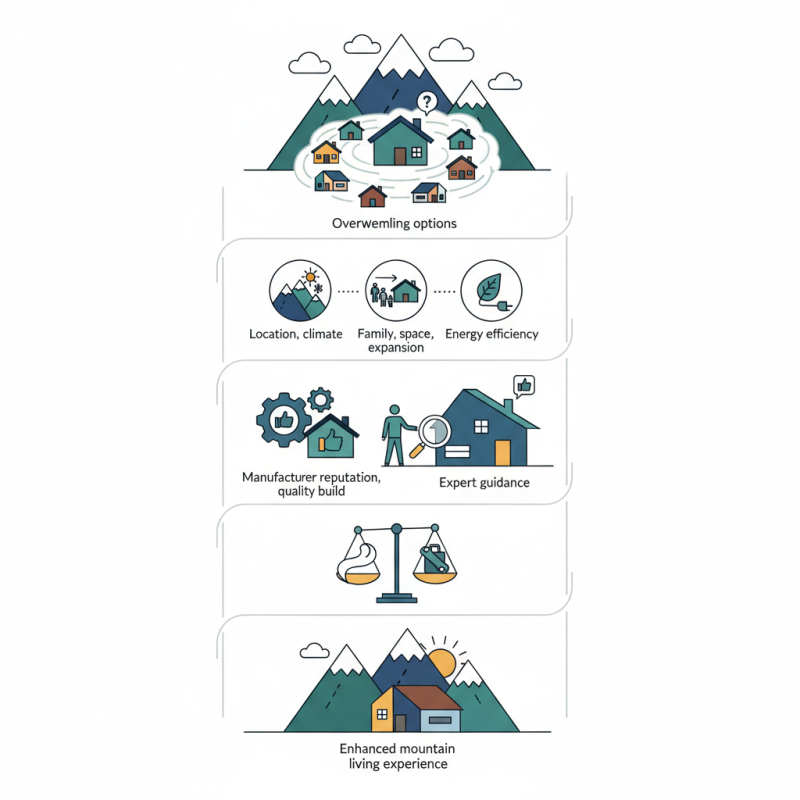
Choosing the best modular mountain homes is not a straightforward task. The options available can feel overwhelming. Each modular mountain home offers unique features and benefits tailored to different lifestyles and needs.
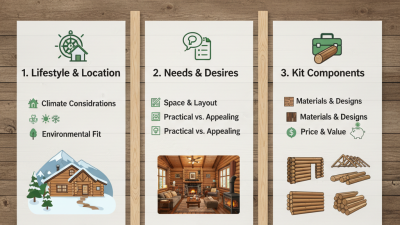
When considering your needs, think about location, climate, and community. Some homes are designed for snow-heavy regions, while others thrive in milder climates. Assessing your family's specific needs is crucial. Reflect on space requirements, future expansions, and energy efficiency.
Explore the reputation of manufacturers. Seamless build quality and design can significantly impact your experience. It's essential to seek expert guidance when narrowing down options. This process can be complex, and mistakes can lead to dissatisfaction. Balancing aesthetics with functionality is vital. The right modular mountain home should reflect your values and enhance your mountain living experience.
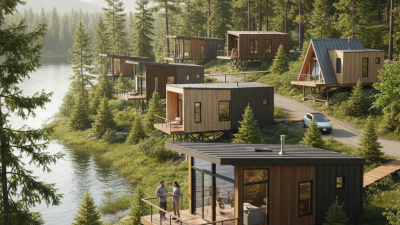
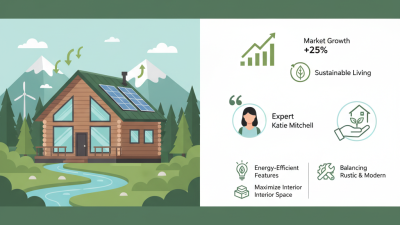
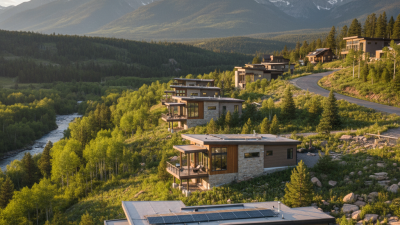
Modular mountain homes offer unique advantages for those seeking a retreat in nature. These homes are designed to blend seamlessly with the surrounding landscape. One significant benefit is their energy efficiency. Manufacturers often use sustainable materials, reducing environmental impact. This approach not only saves on energy costs but also appeals to eco-conscious buyers.
Choosing the right modular home involves understanding these benefits clearly. For instance, many modular homes are constructed off-site, allowing for faster builds. This process can minimize construction waste and disruption to the area. However, buyers must consider land suitability for installation, as not all sites may be ideal.
Customization options are often available, but they can come with hidden costs. Some features may not be necessary for everyone. Think carefully about what truly meets your needs. Reflecting on personal preferences will lead to better long-term satisfaction. Consider the styles, layouts, and materials that resonate with your vision. This reflection is crucial to avoid future regrets.
| Feature | Description | Benefits | Considerations |
|---|---|---|---|
| Energy Efficiency | Utilizes sustainable materials and design. | Lower utility bills and reduced carbon footprint. | Initial cost might be higher. |
| Customization Options | Various layouts, finishes, and sizes available. | Tailored to personal preferences and needs. | Can increase overall cost depending on choices. |
| Speed of Construction | Built in a factory, reducing on-site construction time. | Quicker move-in date for homeowners. | Logistics of transportation can be complex. |
| Durability | Constructed to withstand harsh mountain conditions. | Long lifespan and lower maintenance needs. | Requires regular checks in extreme weather. |
| Cost | Pricing varies based on size, materials, and features. | Potentially lower overall cost compared to traditional builds. | Hidden costs in customization and site preparation. |
When selecting a modular mountain home, several key factors deserve careful consideration. The location is paramount. Mountain environments have unique climate conditions. Many modular homes are not designed to withstand heavy snowfall or high winds. A home that excels in one region may fail in another.
Another factor is space efficiency. Industry studies show that modular homes can reduce construction costs by up to 20%. However, this efficiency should not sacrifice living space. Look for designs that maximize natural light and flow. Open floor plans often feel larger. Consider room configurations that fit your lifestyle.
Lastly, quality of materials cannot be overlooked. Reports indicate that homes built with sustainable materials often have lower long-term maintenance costs. Yet, balancing sustainability with budget can be challenging. It's crucial to demand detailed information about construction methods. Seek out independent inspections to ensure quality. These details will influence both comfort and durability.
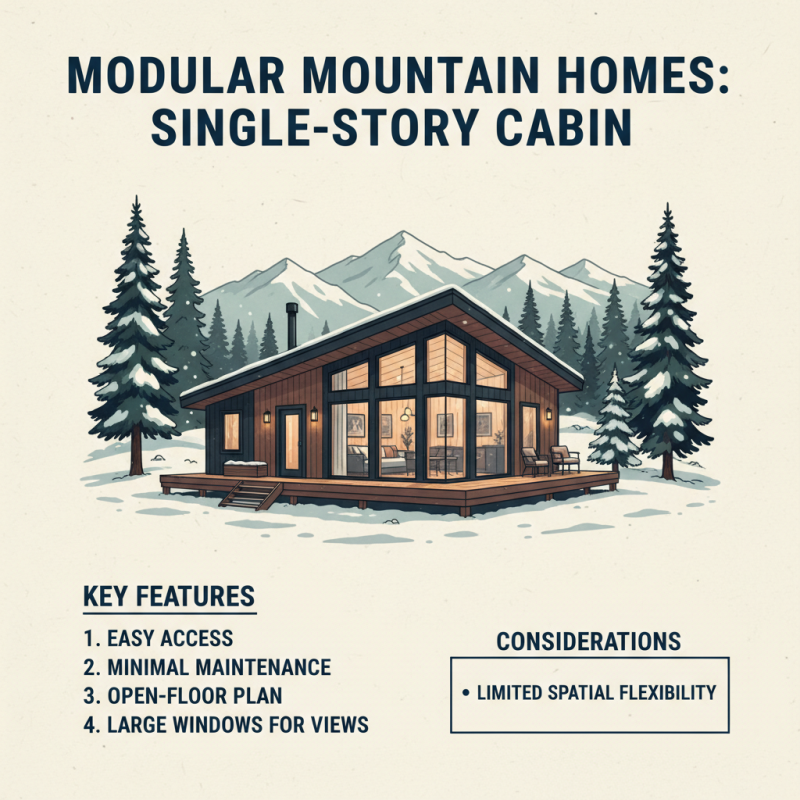
Modular mountain homes come in various types, each offering unique features that cater to different needs. One popular type is the single-story cabin. These homes often emphasize easy access and minimal maintenance. They typically have open floor plans, allowing for comfortable family gatherings. Large windows provide stunning views of the surrounding landscape. However, they may lack the flexibility in space that some families desire.
Another option is the multi-story modular home. These structures make efficient use of limited land. With multiple levels, they can accommodate larger families or groups. Each level often serves a specific purpose, such as bedrooms upstairs and living areas downstairs. Yet, climbing stairs might not be ideal for everyone, especially those with mobility issues.
Tiny modular homes have gained popularity in recent years. They focus on simplicity and sustainability. These homes often feature innovative storage solutions and energy-efficient designs. However, living in a smaller space can be challenging, particularly for larger families. Choosing the right type of modular mountain home is key to ensuring comfort and functionality. Each option brings its own set of pros and cons that require careful consideration.
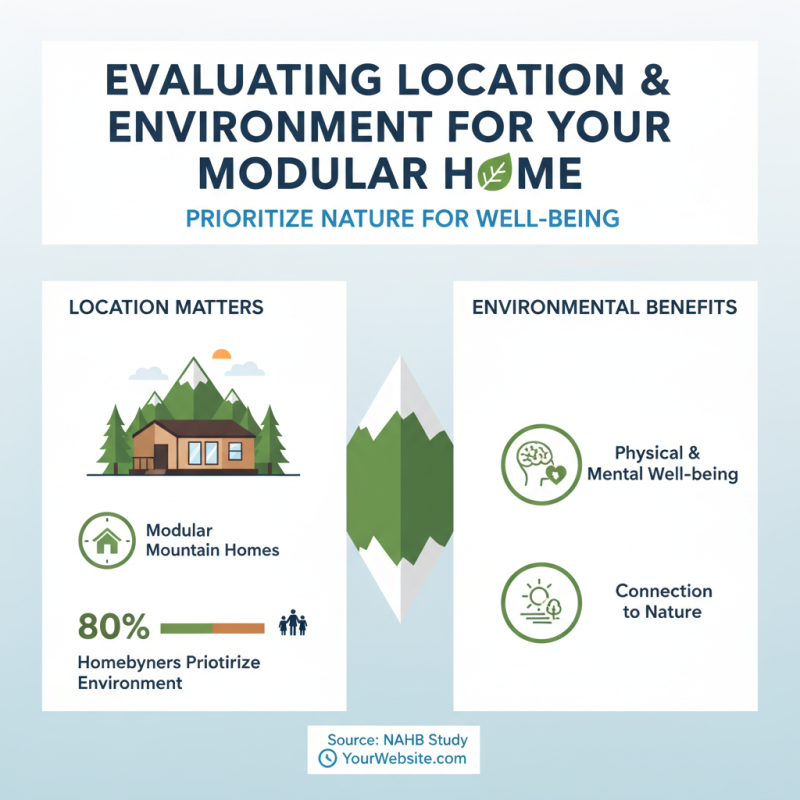
Evaluating the location and environment is essential when choosing modular mountain homes. A study by the National Association of Home Builders reveals that around 80% of homebuyers prioritize the surrounding environment. This emphasis on nature impacts both physical and mental well-being.
Mountain environments offer stunning views and outdoor activities. However, they also pose challenges. Consider potential weather conditions. Heavy snowfall can complicate access. The orientation of your home matters too. Positioning it to maximize sunlight can reduce energy costs.
Local wildlife and vegetation should also be assessed. Disruptive encounters with animals are not uncommon. Furthermore, the type of soil may affect construction stability. A report from the American Society of Civil Engineers highlights that nearly 40% of mountain homes face soil erosion concerns. It’s vital to engage professionals for accurate environmental assessments. These details ensure that your chosen location fulfills not only your aesthetic dreams but also practical living needs.
Budgeting for modular mountain homes can be tricky. Assess your financial situation before diving in. Determine how much you can afford while factoring in land costs, utilities, and permits. These homes often require additional outlays for site preparation.
Financing options vary. Some homeowners opt for traditional mortgages. Others choose personal loans or construction loans. Explore all possibilities. Understand your credit score as it plays a crucial role in securing favorable terms. Also, consult with financial experts. They can offer insights tailored to your situation.
Finally, don’t forget about ongoing costs. Property taxes and maintenance fees can add up over time. This is often overlooked in initial budgeting. Think long-term rather than short-term. Planning ahead helps prevent financial strain later on. Decisions made now can lead to a more secure future with your mountain home.
“I went to the woods because I wished to live deliberately, to front only the essential facts of life, and see if I could not learn what it had to teach, and not, when I came to die, discover that I had not lived.”
- Henry David Thoreau