DWELL BEYOND THE ORDINARY
Choosing the best Minimal Sliding Doors for your home is a significant decision. These doors can enhance both functionality and aesthetics. Reports show that minimalism in home design boosts market value by up to 25%. According to industry expert Sarah Thompson, “Minimal Sliding Doors not only save space but also create a seamless indoor-outdoor connection.”
Incorporating Minimal Sliding Doors can transform your living space. They provide an elegant solution, especially for smaller homes. Their sleek design allows for larger openings, flooding rooms with natural light. However, selecting the right materials is crucial. Choosing poor-quality materials can lead to durability issues.
Understanding the right style for your home is essential. Personal taste varies widely, and what works for one may not suit another. It is beneficial to consult with professionals and explore various options. Ultimately, thoughtful choices will lead to a more enjoyable living environment.
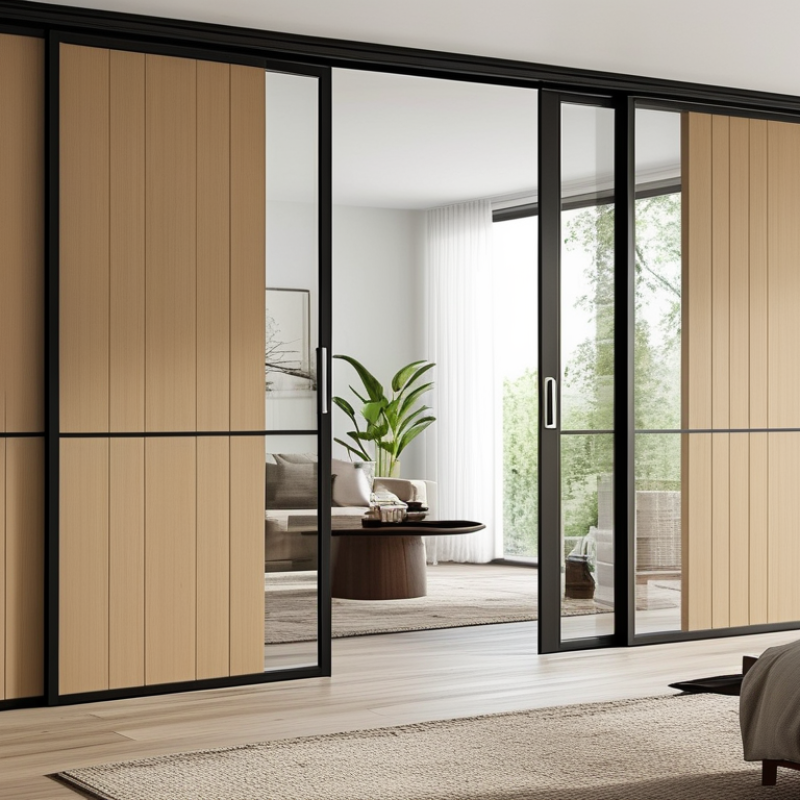
When choosing minimal sliding doors for your home, several factors come into play. First, consider the size of the door. A report from the American Institute of Architects states that proper scale enhances a room's aesthetics. For small rooms, narrower doors maximize space. In contrast, larger openings can create a more spacious feel in open-plan settings.
Next, think about the material. Natural wood offers warmth and character, but aluminum provides durability and modern appeal. According to the National Association of Home Builders, the choice of material can affect long-term maintenance and energy efficiency. Opting for energy-efficient glazing also impacts insulation, reducing heating and cooling costs significantly. It's essential to weigh these details against your lifestyle.
Balance aesthetic and functionality. Sliding doors should complement your home’s design yet serve practical purposes. Sizing errors are common; they can lead to gaps or improper installations. Ensure to measure correctly before purchasing. Minimal sliding doors are a statement piece, yet they must fit seamlessly into the overall design. A thoughtful approach leads to better results.
When selecting minimal sliding doors, the choice of material can greatly impact the aesthetics and functionality of your home. Common materials include glass, wood, and aluminum. Each option has its own set of pros and cons that should be carefully considered.
Glass is popular for its elegance. It allows natural light to flood your space, creating an open feel. However, it can be prone to scratches and requires regular cleaning to maintain its beauty. Privacy can also be a concern. Frosted or tinted glass options can mitigate this issue, but they may reduce light transmission.
Wood sliding doors add warmth and character. They provide excellent insulation and durability. However, they can warp or crack over time, especially in humid environments. Regular maintenance, such as sealing and refinishing, is essential to preserve their integrity.
Aluminum is another practical choice. It is lightweight yet strong, making it ideal for larger doors. It resists rust and corrosion, adding longevity. On the downside, aluminum can feel cold and stark compared to wood. Consider using warmer colors or textures to enhance its appeal.
When choosing materials, keep your home’s style in mind. Think about how each option will blend with your existing decor. Think through your lifestyle needs too. Each material can affect your energy efficiency and maintenance routine. Be open to exploring different combinations to find the right fit.
When selecting minimal sliding doors for your home, measuring your space accurately is crucial. A report by the American Institute of Architects states that improper measurements can lead to up to 30% of installation issues. Begin by taking the width and height of your opening multiple times. This prevents errors. Use a level to check that the floor is even, as an uneven surface can cause doors to misalign.
Consider the amount of wall space available. The door needs room to slide open without obstacles. A 2022 survey by the National Association of Home Builders found that 15% of homeowners regret not planning for this adequately. Additionally, account for the clearance required above the door. Many doors require a minimum of three inches for a smooth operation.
Don't forget the design style. Minimal sliding doors come in various materials that can affect the feel of your space. Sometimes, a heavy frame may not suit a lightweight aesthetic. It's important to visualize how the doors will fit within your overall design. Take into account your lifestyle and the function of the space. Such considerations will guide you toward a purchase that not only fits properly but also enhances your home’s character.
This chart displays the recommended measurements to consider when choosing minimal sliding doors for your home to ensure a perfect fit. Pay close attention to width, height, track width, and the space required for the door operation.
When it comes to minimal sliding doors, aesthetics play a crucial role in your home’s overall feel. Clean lines and simple designs often create a calming atmosphere. The choice of materials also impacts visual appeal. Lightweight glass panels, for instance, add elegance and enhance natural light, yet they may feel fragile in high-traffic areas.
Consider how color and texture will fit into your existing decor. Neutral tones typically blend well, while bold shades can serve as focal points. Think about finishes too. A matte finish may lend a softer look, while glossy surfaces might modernize your space. However, remember that shiny surfaces may require more frequent cleaning, potentially challenging for some homeowners.
Practicality doesn’t always align with aesthetics. It’s essential to balance beauty with functionality. An attractive door can sometimes sacrifice durability, especially if made from delicate materials. Reflect on your lifestyle needs before finalizing your choice. Ensure that the aesthetic you favor doesn’t compromise usability.
| Design Style | Material | Glass Type | Frame Color | Sliding System |
|---|---|---|---|---|
| Contemporary | Aluminum | Frosted | Matte Black | Top-hung |
| Industrial | Steel | Clear | Rustic Brown | Bottom-rolling |
| Scandinavian | Wood | Tinted | Natural Wood | |
| Modern | Fiberglass | Obscured | White | Bypass |
When selecting minimal sliding doors, energy efficiency should be a top priority. These doors not only enhance aesthetics but also help regulate indoor temperatures. High-quality materials can create better insulation, minimizing heat loss in winter and keeping interiors cooler in summer. Look for designs that include double or triple glazing. This adds an extra layer of insulation, reducing your energy bills.
The frame material is equally important. Aluminum and fiberglass are popular choices. They offer durability without compromising on thermal performance. However, even the best materials can still show inefficiency if not installed correctly. Gaps and leaks may occur, leading to unexpected energy loss. Regular maintenance can help identify and fix these issues promptly.
A critical aspect often overlooked is the door's placement. Orientation and exposure to sunlight can affect energy consumption. For instance, doors facing south may increase cooling needs in summer. Homeowners should think through these details carefully. It may seem minor, but even simple adjustments can make a significant difference over time.
“I went to the woods because I wished to live deliberately, to front only the essential facts of life, and see if I could not learn what it had to teach, and not, when I came to die, discover that I had not lived.”
- Henry David Thoreau