DWELL BEYOND THE ORDINARY
In recent years, the popularity of log cabin kits has surged, with a reported growth rate of 12% annually in the pre-manufactured housing market. These kits appeal to builders of all skill levels. They offer a unique blend of rustic charm and modern convenience. However, choosing the right log cabin kit requires careful consideration.
When selecting a log cabin kit, focus on quality, materials, and the manufacturer's reputation. Many kits come with eco-friendly options, which could save energy in the long run. A study by the National Association of Home Builders indicates that homes built with sustainable materials retain higher value. Buyers should also evaluate their preferred designs and sizes to ensure compatibility with their desired lifestyle.
Despite these advantages, some buyers overlook crucial aspects. For instance, local building regulations can impact construction viability. Additionally, individuals may underestimate the time and effort needed for assembly. Thus, reflecting on these areas can make a substantial difference in creating your dream log cabin home.
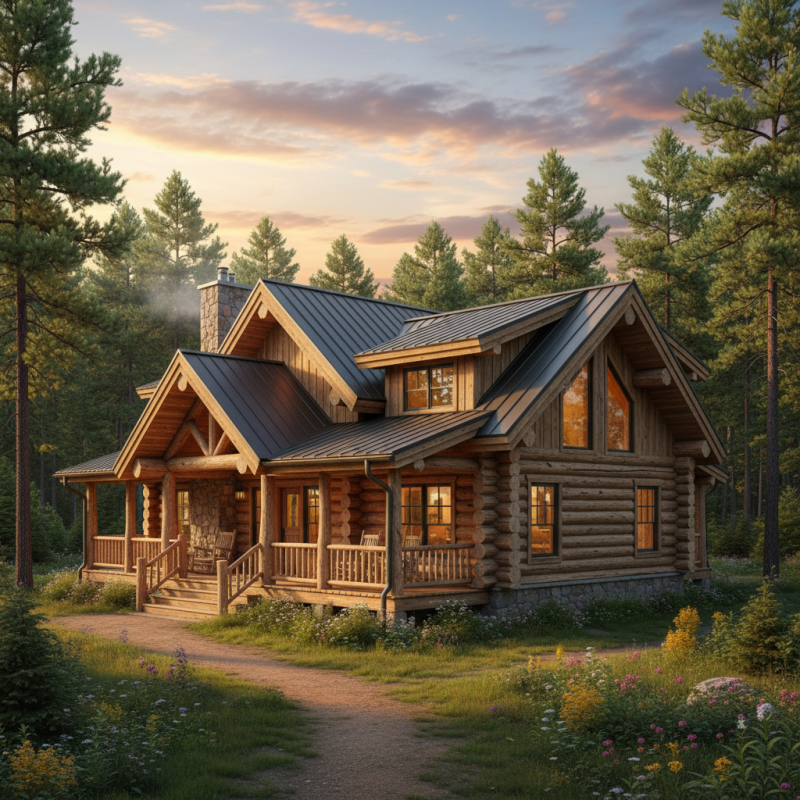
When selecting log cabin kits, it's crucial to understand the types available. There are various styles, including traditional and modern designs. Some kits offer a rustic charm, while others feature sleek lines. You will find options in different log sizes and finishes, affecting both aesthetics and insulation. Consider your climate when choosing the log thickness. Thicker logs provide better insulation but can be heavier and more challenging to handle.
Features of log cabin kits can vary significantly. Some come with pre-cut logs for easier assembly. Others may include additional components like roofing and windows. Pay attention to the quality of the materials. Not all kits use the same grade of wood. Lower-quality logs may cause problems later, like warping or insect infestation. Look for options that offer durability and longevity.
Thinking about the assembly process is essential too. Building a log cabin can be a significant challenge. Some kits come with detailed instructions, while others do not. You might need extra tools or help from professionals. Reflect on your skills and resources before committing to a kit. Whether you want a DIY project or not can greatly influence your choice.
Choosing the right log cabin kit is crucial for your dream home. Start by assessing your needs in terms of size. Research shows that 70% of cabin buyers prefer a space between 1,000 to 1,500 square feet. This range balances comfort and manageability. A smaller cabin requires less maintenance but may feel cramped. Consider your lifestyle. Do you entertain guests often? A larger size might be necessary.
Next, think about style. Log cabins can be rustic or modern. Some reports suggest that 60% of buyers lean towards traditional designs. However, modern aesthetics are gaining traction. Mixing elements can create a unique look. Ask yourself what resonates with you. Do you love natural wood finishes, or do you prefer contemporary materials?
Functionality is equally important. How will you use your cabin? A multi-purpose space can be more valuable. Ensure your layout accommodates necessary features, like a functional kitchen and accessible bathrooms. Research indicates that well-planned layouts increase satisfaction by 40%. It's essential to reflect on your long-term needs, as focusing solely on initial desires can lead to regrets later. Prioritize wisely for a fulfilling living experience.
| Dimension | Details |
|---|---|
| Size Options | Small (300-600 sq ft), Medium (600-1000 sq ft), Large (1000+ sq ft) |
| Style Options | Traditional, Modern, Rustic, Contemporary |
| Functionality | Living space, Vacation retreat, Guest house, Workshop |
| Material Options | Pine, Cedar, Spruce, Logs treated for insulation |
| Budget Range | $20,000 - $100,000 |
| Customization Options | Floor plans, Window placements, Porch additions |
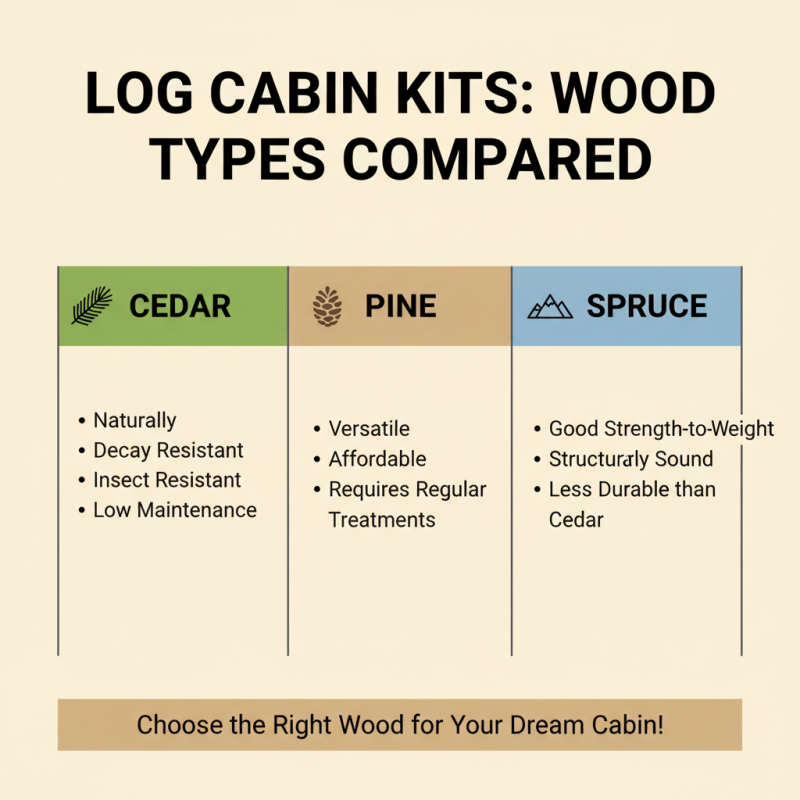
When selecting a log cabin kit, evaluating material quality is essential. The type of wood used influences durability and maintenance needs. Popular choices include cedar, pine, and spruce. Cedar is naturally resistant to decay and insect damage. Pine is versatile but may require regular treatments. Spruce offers a great weight-to-strength ratio but can be less durable.
Sustainability is another critical factor. According to the Forest Stewardship Council, sustainable wood harvesting maintains ecosystems. This process ensures forests remain healthy, providing homes for wildlife. Choosing responsibly sourced wood can reduce your environmental impact. Opt for cabins made from reclaimed wood. This choice not only adds character but also minimizes waste.
Tip: Always ask for documentation on the sourcing of materials. Understand the certifications behind the wood you choose.
Tip: Consider the long-term upkeep of various wood types. Cheaper woods may seem appealing but can lead to higher costs in repairs and maintenance. A well-made log cabin should last for generations. Remember, investing in quality materials today will save you time and money in the future.
When budgeting for your log cabin, start by understanding the costs. The price of the kit itself is just the beginning. You will also need to consider land costs, permits, and site preparation. Getting a plot with utilities can raise your budget significantly.
Don’t forget about additional expenses. Carpentry tools, insulation, and finishes can add up quickly. If you hire professionals, labor costs will surge your budget further. Plan for unseen costs too, like unexpected repairs. Life happens, and it’s vital to be prepared for the unpredictable.
Creating a realistic budget requires careful thought. Juggling costs and expenses can be daunting. It’s important to reflect on what you need versus what you want. Striking the right balance ensures your dream home remains a reality rather than a financial burden. Think ahead and be flexible in your planning.
When researching suppliers for log cabin kits, reliability is crucial. Look for companies with a proven history. According to a report by the National Association of Home Builders, nearly 70% of consumers rely on customer reviews to gauge trustworthiness. This can significantly impact your choice. Check online forums and social media for firsthand experiences. Pay attention to recurring themes in feedback.
Tips: Always verify the authenticity of reviews. Look for patterns over time. If many customers mention delays, it might indicate a systemic issue. Balance is essential. A few negative reviews don’t always mean poor service.
Quality materials should be a priority. Some suppliers cut corners, which can lead to problems. Data from home improvement surveys show that 40% of homeowners reported issues with structure integrity due to low-quality materials. Before finalizing any purchase, seek detailed specifications. Don’t hesitate to ask for documentation. If a supplier is evasive, reconsider your options.
“I went to the woods because I wished to live deliberately, to front only the essential facts of life, and see if I could not learn what it had to teach, and not, when I came to die, discover that I had not lived.”
- Henry David Thoreau