DWELL BEYOND THE ORDINARY
Choosing the right Artificial Grass can be challenging. With numerous options available, homeowners must weigh various factors. The right choice impacts aesthetics and maintenance needs.
Artificial grass offers durability and low maintenance, but not all products are equal. Some may fade or wear out quickly. It is crucial to consider quality when selecting. Pay attention to materials, pile height, and drainage capabilities.
Not every artificial grass fits every landscape. Reflect on your specific needs. Think about foot traffic, climate, and intended use. A beautiful lawn can easily become a burden if the wrong type is chosen. Educate yourself about the features that matter most.
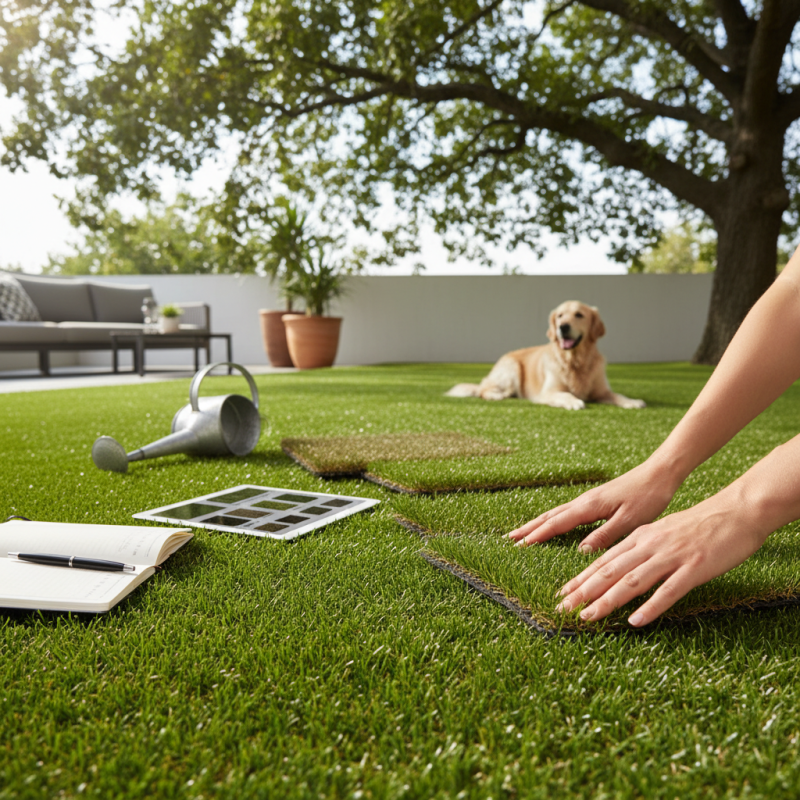
When selecting artificial grass, it’s crucial to understand the different types available. There are three main categories: nylon, polyethylene, and polypropylene. Each type has unique characteristics suited for various applications.
Nylon grass is resilient and can withstand heavy foot traffic. It’s ideal for sports fields or busy backyards. However, its higher cost might not fit everyone’s budget. Polyethylene offers a softer feel and is often used for residential lawns. While it looks more realistic, it may wear down faster than nylon. Polypropylene, the least expensive option, works well for temporary setups but is less durable overall.
Tips for choosing the right type include assessing your usage. If it’s for kids or pets, durability is key. For decorative purposes, focus on aesthetic appeal. Also, consider the climate. Some materials handle heat better; others fade quickly in harsh sunlight. Always check for UV protection and drainage features.
Don’t overlook maintenance requirements. Some artificial grass types need regular brushing or cleaning. Evaluate your willingness to maintain your lawn regularly. Reflect on these factors to ensure you make an informed decision that fits your lifestyle.
Choosing the right artificial grass involves evaluating its purpose and usage. Different applications require distinct types of artificial grass. For instance, lawns demand durability and aesthetic appeal, while sports fields prioritize performance. According to a report by Global Market Insights, the artificial turf market is projected to reach $5 billion by 2027. This growth highlights the increasing demand for tailored grass solutions.
When assessing your needs, think about how the grass will be used. If it's for pets, look for materials that resist odors and stains. For children’s play areas, safety and cushioning are crucial. Experts suggest considering the grass's infill material; options like rubber or silica sand can enhance performance.
Tips: Always check for UV resistance to prevent fading. If you are using it for a sports field, consult with professionals about the optimal pile height. Don't forget to evaluate the maintenance requirements; some options demand more care than others. Reflect on your choices, as not all types will meet your expectations.
When choosing artificial grass, three key quality factors come into play: yarn material, backing, and density. The yarn material is crucial for durability and appearance. Synthetic fibers vary widely. Look for high-quality options that resist fading and wear. Some materials feel soft, while others have a more plastic-like touch. Test the texture. It could influence your overall satisfaction.
Backing plays a vital role in maintaining grass integrity. A strong backing supports the yarn, prevents shedding, and allows for proper drainage. Evaluate the type of backing material as it can affect longevity and performance under different weather conditions. A reliable backing will also withstand heavy foot traffic without becoming damaged.
Finally, consider the density of the grass. Higher density often equates to better realism and durability. Yet, a denser option might seem overly lush in certain settings. An overly artificial look can detract from the beauty of your garden or yard. Strike a balance between aesthetic appeal and practicality. Examine samples in varied lighting to gauge how they look throughout the day. Understanding these factors can help you make a more informed choice that suits your specific needs.
When selecting artificial grass, maintenance requirements and durability are crucial factors. Regular upkeep ensures the longevity of your lawn. Opt for options that require minimal maintenance. Some types may need more frequent cleaning or infrequent brushing. Consider how much time you can realistically commit to upkeep.
Durability is another essential aspect to evaluate. High-quality materials generally withstand heavy foot traffic, but every type has its limitations. Observe how certain grasses perform under varying weather conditions. Rain can affect drainage and lead to mold. Figure out what level of durability fits your lifestyle.
Not every artificial grass is designed for high wear. Some may deteriorate after a few years. Investigate warranties and customer reviews for insights on the expected lifespan. It's also beneficial to consider your specific usage. For instance, pet areas require more resistant grass. Review your options carefully and weigh the pros and cons.
When considering artificial grass, budgeting is essential. Installation costs vary widely based on quality and size. Expect to spend between $5 to $20 per square foot. This range depends on the type of grass and the complexity of your lawn. Some features, like drainage systems, can increase costs significantly.
Ongoing upkeep is another factor to consider. Unlike natural grass, artificial turf needs less maintenance. You won’t need to mow or water it regularly. However, some upkeep is still required. Regularly brushing and rinsing the surface can help keep it clean. Estimate an additional $100 to $300 a year for upkeep supplies and occasional professional cleaning.
Think about the long-term benefits. Initial costs can be higher, but over time, you may save on water and maintenance. Researching carefully is key. Make sure to account for all these factors before making a decision. Balancing quality and budget can lead to a satisfying outdoor space.
| Type of Artificial Grass | Cost per Square Foot | Lifespan (Years) | Maintenance Frequency | Ideal Use Cases |
|---|---|---|---|---|
| Nylon | $4.50 | 15 | Once a month | High-traffic areas |
| Polyethylene | $2.50 | 10 | Bi-monthly | Gardens and landscaping |
| Polypropylene | $1.50 | 5 | Seasonally | Low-traffic areas |
| Turf with Infill | $3.00 | 12 | Monthly | Sports fields |
| Luxury Grass | $5.00 | 20 | Weekly | Residential lawns |
“I went to the woods because I wished to live deliberately, to front only the essential facts of life, and see if I could not learn what it had to teach, and not, when I came to die, discover that I had not lived.”
- Henry David Thoreau