DWELL BEYOND THE ORDINARY
When it comes to finding the ideal living space, prefabricated cabins have emerged as a popular choice for many individuals. These structures combine convenience and efficiency, allowing homeowners to enjoy the benefits of a customizable and cost-effective solution. However, with a plethora of options available in the market, selecting the best prefabricated cabins to suit your specific needs may seem daunting.
In this guide, we will explore various factors to consider when evaluating prefabricated cabins. From assessing your space requirements to understanding the climate and terrain of your location, each aspect plays a crucial role in ensuring that your chosen cabin provides maximum comfort and utility. Additionally, we will discuss the importance of material selection, design preferences, and budget constraints, all of which contribute to making an informed decision.
By the end of this article, you will be equipped with the knowledge to navigate the exciting world of prefabricated cabins, allowing you to choose the perfect structure that complements your lifestyle and meets your expectations. Whether you're seeking a weekend getaway, a home office, or additional living space, understanding your options will empower you to find the cabin that truly resonates with your vision.
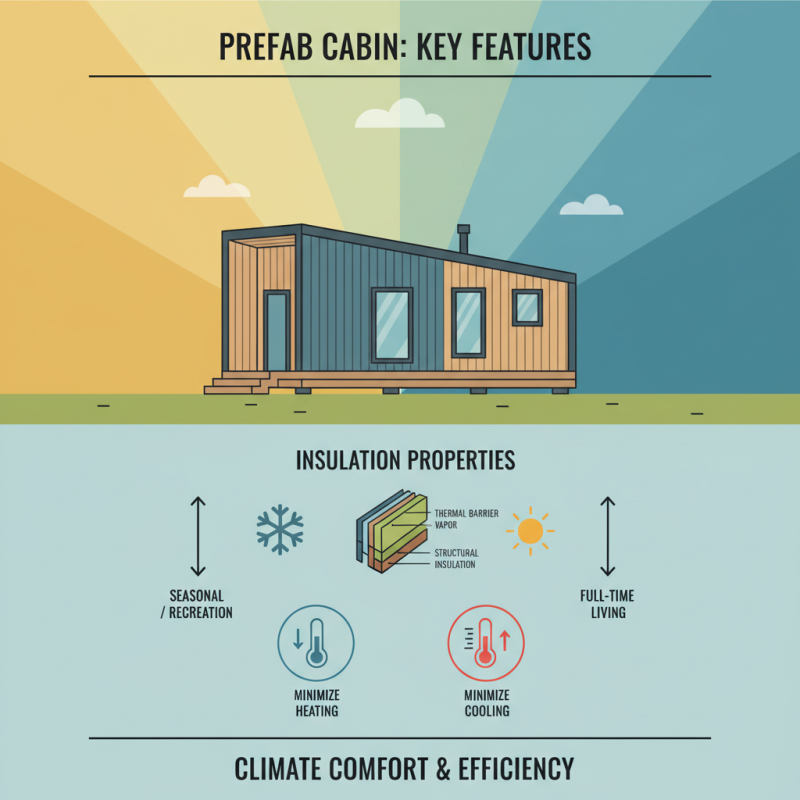
When selecting a prefabricated cabin, understanding its key features is essential to ensure it meets your specific needs. One of the primary aspects to consider is the cabin's insulation properties. Depending on your intended use—whether it's for seasonal recreation or full-time living—adequate insulation ensures comfort throughout various climates. Look for materials that provide thermal efficiency to minimize heating and cooling costs.
Another crucial feature is the layout and design of the cabin. Consider how many rooms you need and whether an open floor plan suits your lifestyle. Additionally, evaluate the natural light the design allows, as well as the flow of space, which can significantly affect your overall comfort. Some cabins offer customizable floor plans, enabling you to tailor the space to fit your preferences and practical needs.
Lastly, durability and maintenance requirements are vital factors. Assess the materials used in construction and their resistance to environmental elements. A cabin built with high-quality, weather-resistant materials will require less maintenance over time, making it a more sustainable investment. By carefully considering these features, you can choose a prefabricated cabin that aligns with your lifestyle and purpose.
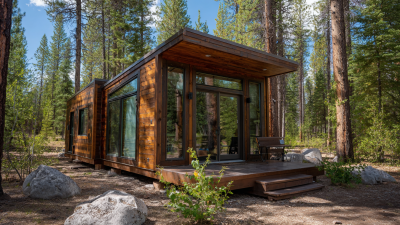
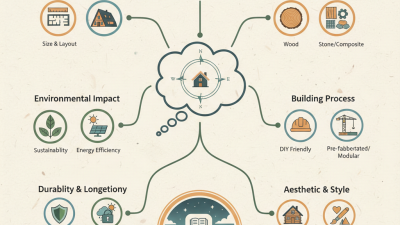
When selecting a prefabricated cabin, it’s essential to assess your specific needs to ensure you make an informed decision. Start by considering the size of the cabin. Think about how many occupants the space needs to accommodate and whether the layout allows for the activities you plan to undertake. A larger cabin may provide flexibility in usage—such as a combination of sleeping, working, or recreational areas—while a smaller cabin may be more suitable for a single-purpose function like a guest house or an office.
Purpose is another crucial factor in your selection process. Define the primary use of the cabin: will it serve as a weekend retreat, a workspace, or a long-term residence? Each purpose has distinct requirements that can influence your choice. For instance, a cabin designed for prolonged stays may need adequate insulation and plumbing facilities, whereas one intended for occasional use might focus more on aesthetics and ease of assembly.
Finally, consider location requirements. The geographical environment significantly impacts the design and construction materials you'll need, ensuring that the cabin withstands local weather conditions and complements the surrounding landscape. By carefully evaluating these elements, you can choose a prefabricated cabin that perfectly aligns with your lifestyle and preferences.
When it comes to choosing the best prefabricated cabins, selecting the right material is crucial for both durability and aesthetic appeal. Two of the most popular materials are wood and metal, each offering distinct advantages that can cater to various needs.
According to a report from the International Association of Structural Engineers, wood cabins provide excellent insulation properties, which can lead to significant energy savings. In fact, untreated wood can maintain its structure for over 30 years, making it an ideal choice for long-term use in fluctuating climates.
On the other hand, metal cabins have gained popularity due to their resilience and low maintenance requirements. A study conducted by the National Metal Building Manufacturers Association indicates that metal structures can withstand severe weather conditions better than wooden counterparts, with a lifespan that can exceed 50 years when properly treated. Moreover, metal's fire resistance offers added safety, making it suitable for areas prone to wildfires.
Ultimately, the choice between wood and metal will depend on your specific requirements, such as climate conditions, desired longevity, and maintenance preferences.
When budgeting for a prefabricated cabin, it's crucial to understand the various costs involved. According to a recent report from the National Association of Home Builders (NAHB), the average cost of building a prefabricated cabin can range from $100 to $200 per square foot, depending on factors such as location, materials, and design choices. For a standard 500-square-foot cabin, this translates to an initial investment of approximately $50,000 to $100,000. Be aware that additional expenses, such as land preparation, utility connections, and permits, can add 10-20% to your initial budget, potentially increasing costs up to $120,000 or more.
Financing options for prefabricated cabins are varied, catering to different budgets and financial situations. Many prospective cabin owners consider traditional loans, such as personal loans or home equity lines of credit, which often offer competitive interest rates. A 2021 study by the Federal Housing Finance Agency revealed that interest rates on these types of loans can be as low as 3%, making financing a feasible option for many. Additionally, specialized financing programs for manufactured homes may be available, allowing buyers to take advantage of lower down payment requirements and fixed-rate mortgages. Understanding these financial avenues can help you make an informed decision to achieve your dream of owning a prefabricated cabin without straining your finances.
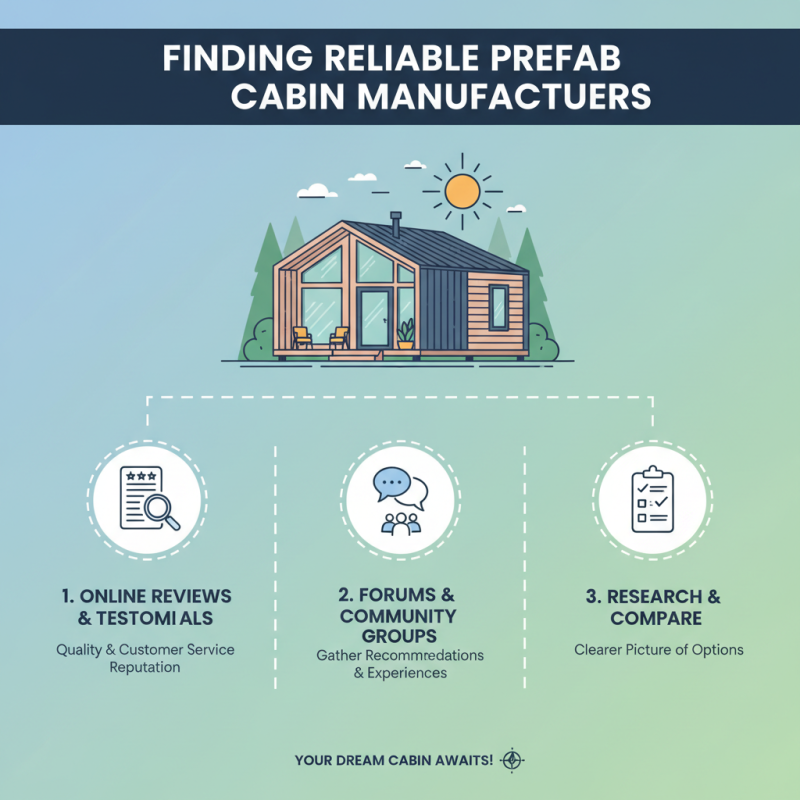
When searching for the best prefabricated cabins, finding reliable manufacturers is crucial. Start your research by exploring online reviews and testimonials from previous buyers. These insights can provide a wealth of information regarding a manufacturer’s reputation for quality and customer service. Additionally, joining forums or community groups focused on prefabricated cabins can help you gather recommendations and experiences from fellow enthusiasts, giving you a clearer picture of the options available.
**Tips:** Always verify the credentials of the manufacturers you are considering. Check for licenses, certifications, and warranties to ensure they abide by industry standards. Moreover, don’t hesitate to ask for references and follow up with past clients to gauge their satisfaction with the product and service.
Another effective strategy is to attend home and design expos, where multiple manufacturers showcase their offerings. This allows you to compare different structures, quality levels, and pricing models in person. Networking with professionals in the industry at these events can also lead to valuable connections and insights that may guide your decision-making process.
**Tips:** Prepare a list of questions before visiting expos, including inquiries about customization options and delivery timelines. This proactive approach will help you make more informed decisions and find a manufacturer that aligns perfectly with your needs.
“I went to the woods because I wished to live deliberately, to front only the essential facts of life, and see if I could not learn what it had to teach, and not, when I came to die, discover that I had not lived.”
- Henry David Thoreau