DWELL BEYOND THE ORDINARY
When considering a home for your family, the choice of "Amish built homes" stands out. These homes embody craftsmanship and attention to detail. Built by skilled Amish artisans, each structure is unique. The sturdy construction promises durability, yet it also invites introspection. What does it mean to choose a home made by a community so deeply rooted in tradition?
The process of selecting an Amish built home involves more than just aesthetics. It requires understanding the values that guide their construction techniques. Each home reflects a commitment to quality and simplicity. This can resonate deeply within a family seeking a peaceful living environment. However, one must also reflect on the limitations. Not every design may fit modern lifestyles.
As you delve into the world of Amish built homes, keep an open mind. Embrace the beauty of imperfection. These homes tell stories, hold memories, and encourage thoughtful living. Choosing one for your family is not just a financial decision; it’s a step towards a lifestyle that cherishes craftsmanship and community values.
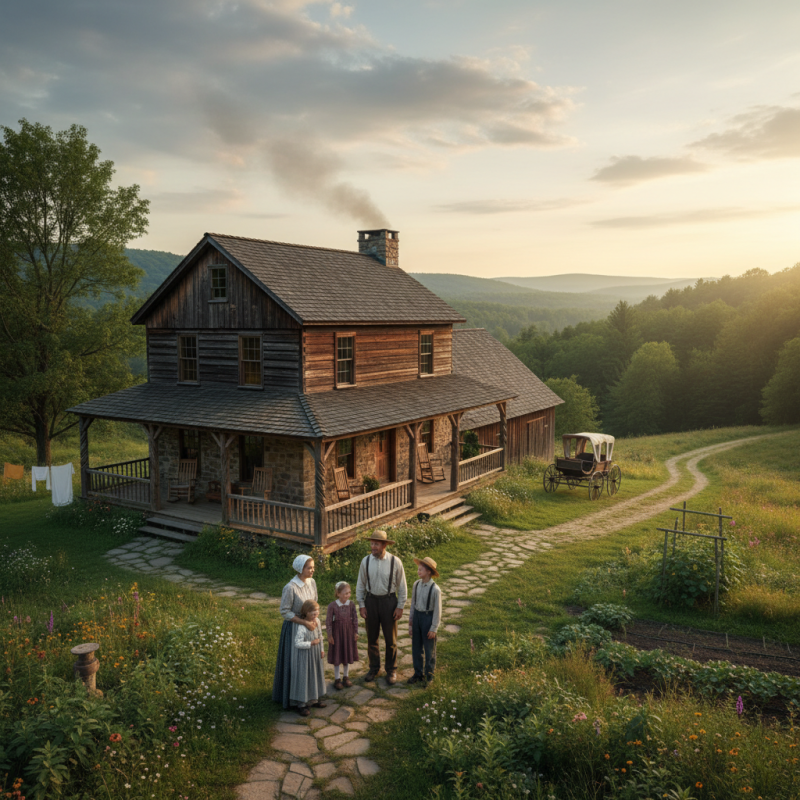
Amish built homes offer a unique blend of craftsmanship and practicality. These homes are often built using traditional techniques, which emphasize durability and sustainability. Many families appreciate the natural materials used, like wood and stone. These houses provide a warm and inviting atmosphere. The focus on simplicity can make a home feel more spacious and organized.
Tips: When considering an Amish built home, think about the layout. Open spaces can enhance family interaction. Also, consider energy efficiency. Amish homes often use natural light effectively. This can reduce electricity usage during the day.
Amish homes typically feature handcrafted details. Each piece speaks of care and attention. However, there's a trade-off. Details can sometimes result in longer construction times. Communication with builders is crucial. Make sure your vision aligns with the craftsmanship ethos. This helps prevent misunderstandings during the build.
This bar chart represents the importance scores of various key characteristics of Amish built homes as considered by potential buyers. Quality and customization are highly valued, showcasing their preference for well-built and personalized housing options.
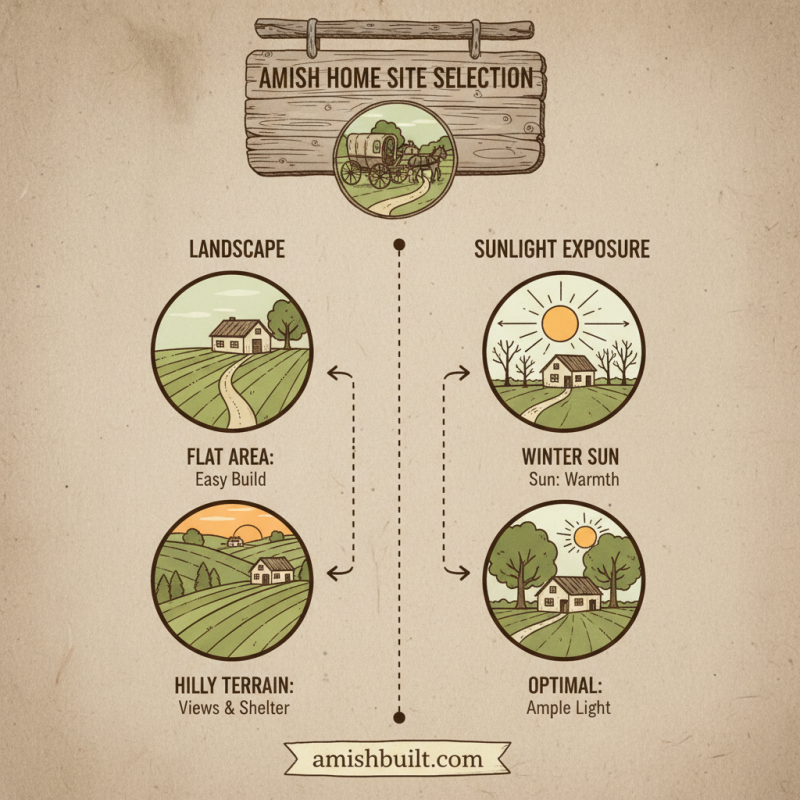
When choosing the right site for your Amish-built home, consider the landscape. A flat area might seem ideal. However, hills can provide beautiful views and natural protection. Think about sunlight exposure, too. Ideally, the home should receive ample sunlight, especially in winter.
Proximity to community is vital. Being near family or friends can enhance support networks. Yet, this closeness may lead to unintentional tension. Understand the potential challenges of living close to others. Also, consider access to local services. A remote location can feel serene, but convenience is essential for everyday needs.
Transportation routes matter. Easy access to roads can save time. But busy roads might bring noise and pollution. Balance is key in your location choice. Reflect on how the chosen site aligns with your family's lifestyle. The decision may not be perfect, and that's okay. Embrace the journey of finding the right spot for your Amish home.
When considering Amish-built homes, material selection is crucial. Commonly used materials such as wood, stone, and brick contribute to the homes' durability and aesthetic appeal. Amish builders often source local materials, promoting sustainability. A report from the National Association of Home Builders highlights that homes built with locally sourced materials can reduce energy costs by 20%. This focus on effective design and natural resources reflects the values of the Amish community.
Wood is often the primary choice for structure and finishes. It adds warmth to living spaces. However, not all wood types are suitable for construction. The species of wood matters a lot. Some varieties might not withstand adverse weather as well as others. The Journal of Wood Science indicates that improperly selected wood can lead to reduced lifespan and increased maintenance. While the beauty of wood draws many homeowners, caution is advised.
Stone is another favorite. It’s robust and requires minimal upkeep. Nonetheless, the environmental impact of stone extraction can be significant. Many buyers overlook this concern. Reports have shown that stone homes can lead to a 10% increase in energy efficiency compared to traditional materials. Still, buyers must weigh aesthetics against environmental effects. Making informed decisions is essential for achieving both sustainability and beauty in your home.
When choosing Amish built homes for your family, customization plays a crucial role. These homes are not just structures; they reflect your family's needs. According to industry reports, around 75% of buyers prefer personalized features. This includes layouts, materials, and finishes that resonate with their lifestyles.
Consider your family's daily activities. If you love cooking together, a spacious kitchen with an island might be essential. For those who value outdoor time, adding a porch can be a smart choice. Reports show that homes with outdoor spaces increase family bonding time by 20%. Think about unique elements too. Want a reading nook or a play area? It's all possible.
Tip: Invest in energy-efficient features. They are not only environmentally friendly but can also save your family money in the long run.
Reflect on your long-term plans. Will your family's needs change? Flexible spaces that can adapt are important. Don’t shy away from discussing alterations with builders. Personalization is about building a home that grows with you and your loved ones.
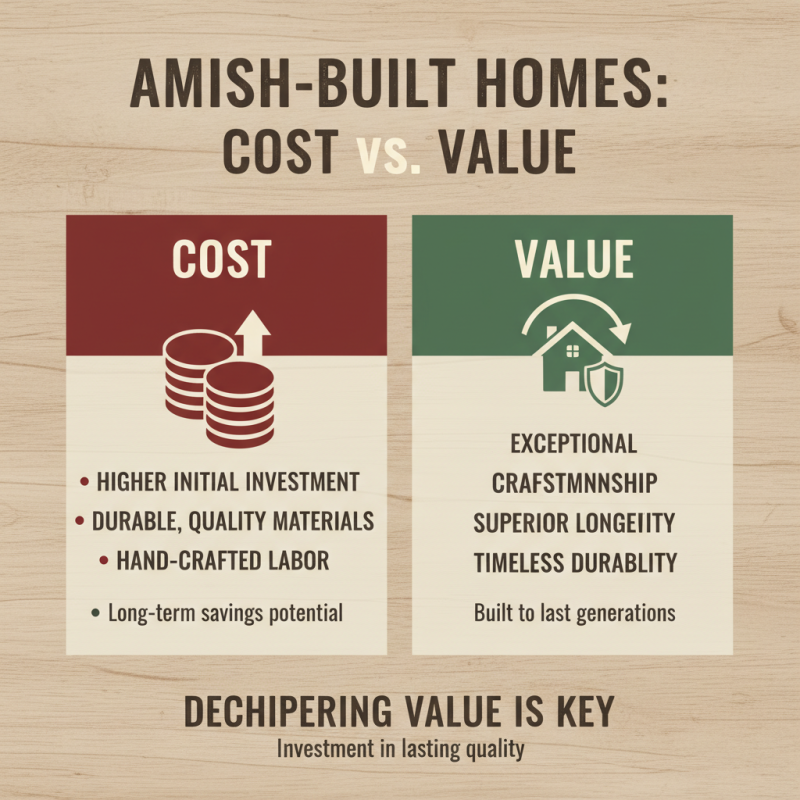
Investing in Amish built homes can be a significant decision. The craftsmanship and quality are often praised. However, discerning cost from value is essential. These homes are usually constructed from durable materials that promise longevity. Yet, this durability often comes with a higher initial investment.
Consider the maintenance costs down the line. While the initial price may seem steep, the value might balance out over time. Pay attention to the details, like custom woodwork or energy-efficient designs. These features can enhance comfort and reduce utility bills. However, everyone's budget is different. You might find a stunning home that doesn't fit your financial plan.
Weighing the cost against potential savings is crucial. Sometimes, the allure of a beautifully crafted home blinds buyers to the practicalities. A thorough inspection can reveal any hidden issues. Reflect on your long-term needs. Are you planning to live there for many years? If so, investing a bit more could pay off. Consider both your heart and your wallet before making a choice.
“I went to the woods because I wished to live deliberately, to front only the essential facts of life, and see if I could not learn what it had to teach, and not, when I came to die, discover that I had not lived.”
- Henry David Thoreau