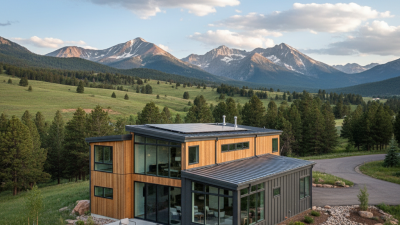
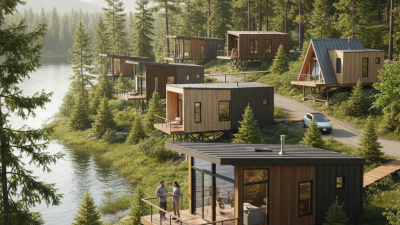
How to Buy Prefab Homes in Colorado?
Buying a prefab home in Colorado is less like ordering a product and more like coordinating a small construction project. The factory matters, but your land matters more.
Michelle Kaufmann, a respected architect and prefabricated-home pioneer, once said, “Prefabrication is not a style; it is a process.” That distinction is essential when comparing prefab homes Colorado buyers can purchase today. A modern design may look simple, yet its success depends on engineering, transportation, site preparation, and local approval.
Begin by checking the building rules for your county or municipality. Colorado mountain towns may apply strict snow-load, wildfire, slope, and energy requirements. Ask the manufacturer for stamped structural plans, insulation specifications, and evidence of compliance with local codes. Do not assume a factory-built home receives automatic approval.
Then inspect the site carefully. A narrow mountain road may prevent delivery. Rocky soil can increase excavation costs. Utility connections may also exceed early estimates. These details are easy to overlook.
Compare the complete project price, not only the advertised home package. Include foundation work, permits, transport, crane service, utility installation, appliances, taxes, and finish work. Request a written schedule and payment terms. Speak with recent customers, if possible.
There is room for doubt.
Factory precision can reduce waste and shorten construction time, but it cannot remove every Colorado-specific challenge. A reliable buyer stays curious, asks uncomfortable questions, and uses an independent inspector before closing. With careful research, prefab homes Colorado buyers choose can offer efficient design, predictable quality, and a realistic path toward a durable home.
Define Your Prefab Home Needs and Colorado Location
How to Buy Prefab Homes in Colorado?
Define your home needs before comparing floor plans. Record household size, storage needs, accessibility, energy goals, and future changes. A two-bedroom design may feel efficient now but restrictive later. Ask whether the home includes appliances, foundation work, transport, utility connections, permits, and site preparation. These costs can change the budget sharply. The U.S. Census Bureau’s Manufactured Housing Survey tracks factory-built home prices separately from site-built construction, making direct comparisons important. A low base price is not the final price.
Colorado location matters just as much. Elevation, snow load, wildfire exposure, wind, soil, and road access affect design and installation. Check local zoning rules before paying a deposit. County requirements may differ from nearby cities. FEMA flood maps can reveal risks that are invisible during a dry summer. The National Renewable Energy Laboratory also shows major solar and climate differences across Colorado, so insulation, glazing, and heating choices should match the site.
NAHB’s 2024 construction-cost survey reported an average site-built construction cost of about $162 per square foot nationally. That figure is useful, but not Colorado-specific. Get written bids from qualified contractors for foundation, grading, utility trenches, and crane access. I would not trust a polished estimate without these items. A careful site visit may expose problems early. Sometimes, the cheaper plan becomes the more expensive mistake.
Research Colorado Prefab Home Types, Builders, and Prices
Buying a prefab home in Colorado starts with identifying the right construction type. Modular homes are factory-built sections placed on permanent foundations. Manufactured homes follow federal HUD standards and may have different financing rules. Panelized homes arrive as wall systems, requiring more on-site assembly. The choice affects zoning, insurance, delivery, and resale value.
Colorado conditions demand careful research. Ask whether the design meets local snow-load, insulation, wildfire, and energy requirements. Mountain deliveries can require escorts, cranes, road permits, and temporary utility access. These costs are often missing from the factory quote. The U.S. Census Bureau’s 2023 Manufactured Housing Survey reported an average new manufactured-home price of about $129,900 nationally, excluding land and site preparation. Colorado buyers should treat this only as a reference point.
Builder comparisons need more than showroom photos. Request an itemized estimate covering foundation work, transport, utility connections, permits, design changes, and final inspections. The Modular Building Institute’s 2024 industry report valued U.S. permanent modular construction at approximately $20.3 billion in 2023, showing the sector’s growing scale. Still, growth does not guarantee quality. Check licensing, engineering documents, warranty exclusions, and completed projects in similar terrain. A useful warning: the cheapest proposal may omit drainage, grading, or winter access. My own budgeting preference would include a 15% contingency, though that figure can rise sharply on remote lots.
Check Zoning Rules, Land Conditions, and Building Permits
Buying a prefab home in Colorado starts with zoning, not floor plans. Counties and municipalities may restrict dwelling types, minimum sizes, roof forms, setbacks, or foundation systems. A modular home usually follows state-adopted residential codes, while a manufactured home follows federal construction standards. Confirm the classification with the local planning office before signing a land contract.
Land conditions can change the budget quickly. Colorado’s steep slopes, expansive soils, wildfire exposure, and heavy snow loads require professional review. Order a boundary survey and geotechnical report. Check road access, driveway grades, water rights, wells, septic approval, and utility distances. Small details matter. A remote parcel may need costly trenching and a longer crane route. The 2024 NAHB Cost of Constructing a Home survey found finished-lot costs averaged 13.7% of the final sale price, while construction represented 64.4%. Site preparation is easy to underestimate.
Permits usually involve zoning approval, building plans, energy compliance, foundation design, electrical and plumbing reviews, and final inspections. Local officials may request wildfire mitigation or snow-load calculations. FEMA’s National Risk Index can help screen wildfire and flood exposure, but it cannot replace a site-specific assessment. Use licensed Colorado professionals for engineering and installation. I would also keep a contingency fund above the contractor’s first estimate. My early budget assumptions have often been too optimistic. Rules and fees vary by jurisdiction, so written confirmation is safer than a phone promise.
Compare Designs, Contracts, Financing, and Site Preparation
How to Buy Prefab Homes in Colorado?
Buying a prefab home in Colorado starts with comparing how each design fits the land, not just the brochure. A compact plan may reduce construction costs, while steep roofs can help manage snow. Ask whether the structure is modular, panelized, or manufactured, because inspection and financing paths may differ. Review insulation, window ratings, roof loads, ventilation, and wildfire-resistant exterior options. Small details matter. Have a local designer or engineer examine the site before choosing a layout. Colorado’s altitude, snow, wind, expansive soils, and wildfire exposure can change the design.
Read the contract line by line. It should identify the foundation scope, transport route, crane work, utility connections, permits, delivery dates, warranties, and change-order fees. Do not assume “turnkey” includes driveway grading or a completed septic system. Request allowances in writing, then compare them with local bids. An unusually low price can hide exclusions. Ask what happens when weather delays installation. Vague answers deserve a second look. I would not pretend a spreadsheet can predict every site problem.
Financing often requires a construction-to-permanent loan, staged payments, and an appraisal based on the finished home. Confirm that the lender accepts the chosen construction type. Review cash requirements for deposits, site work, and contingency funds. Before excavation, obtain a survey, soil information, access assessment, and utility availability. Check county zoning, setbacks, driveway rules, and permit requirements directly with officials. A site can look ready but lack reliable water or power. Budget for grading, foundation work, drainage, erosion control, and winter access. Even careful estimates can miss buried rock or changing freight costs.
Schedule Delivery, Installation, Inspections, and Final Approval
Buying a prefab home in Colorado requires a delivery plan, not just a floor plan.
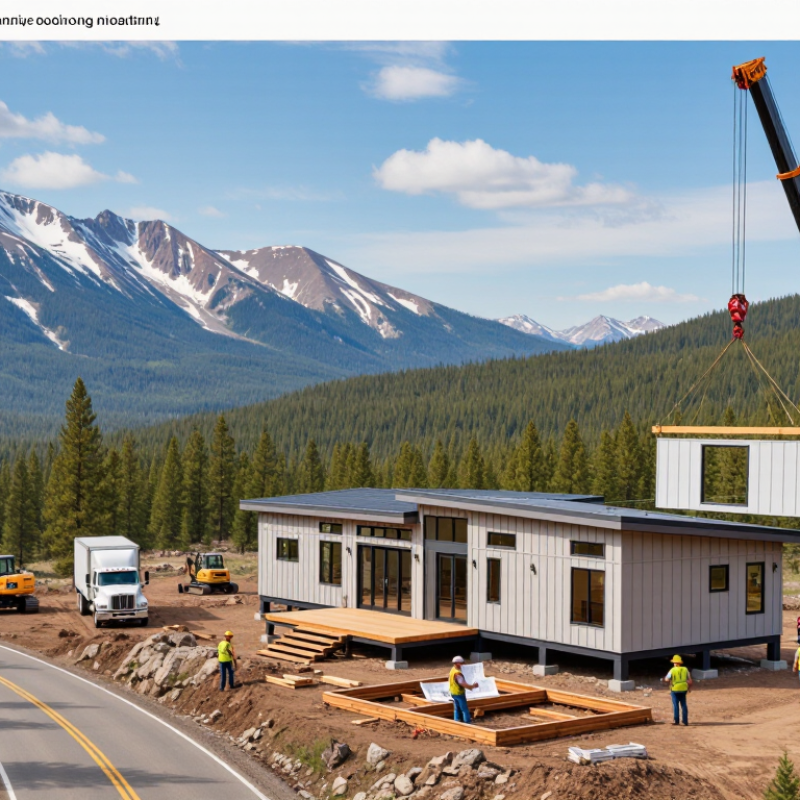
Confirm the site address, crane access, road width, utility trenching, foundation completion, and winter conditions. The Modular Building Institute’s 2024 industry report notes that modular construction can reduce project schedules by about 30% to 50%. That advantage disappears when the foundation or permits lag.
Schedule delivery only after the installer confirms the foundation is ready. Keep a weather buffer, especially near mountain passes. My first schedule was too optimistic. A two-day snowstorm delayed transport and forced a rescheduled crane crew.
Allow at least one flexible week. Before installation, verify transportation permits, utility locations, lifting points, and temporary road protection. Photograph the foundation and anchor locations before the modules arrive.
Inspections should be arranged with Colorado’s local building department, not treated as a final formality.
Modular units must satisfy applicable state and local building requirements, while manufactured homes follow federal installation standards administered through HUD. Request inspection dates for foundation, module connections, electrical, plumbing, mechanical systems, and life-safety items.
The U.S. Census Bureau’s Survey of Construction shows that weather and permit timing affect residential completion schedules, so retain written approvals at every stage.
Final approval may require correction work. Check stairs, guardrails, smoke alarms, drainage, and utility connections in daylight. One missed inspection can postpone occupancy.