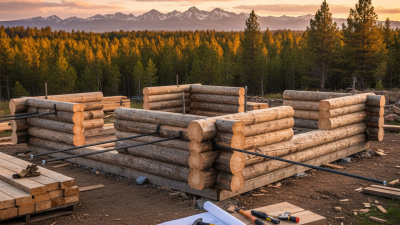
DWELL BEYOND THE ORDINARY
When considering a retreat from the hustle of modern life, many turn to the charm of a wood cabin. Architect Sarah Thompson, a leading expert in sustainable designs, noted, "A wood cabin is a sanctuary that connects us to nature." This connection is crucial for relaxation and rejuvenation. In 2026, we will see exciting designs that blend comfort with eco-friendliness.
Imagine a cozy cabin nestled in the woods, with stunning views of towering pines. Natural light filters through large windows, illuminating warm wood interiors. However, creating your perfect getaway can be challenging. Many overlook key details, such as insulation and ventilation. These can affect comfort and energy efficiency.
Wood cabins are not just about aesthetics; they are about lifestyle. Incorporating local materials can create a stronger sense of place. Yet, some designs may feel too rustic for modern tastes. Finding that balance between tradition and innovation is vital. Your wood cabin should reflect who you are while offering a retreat from daily life.
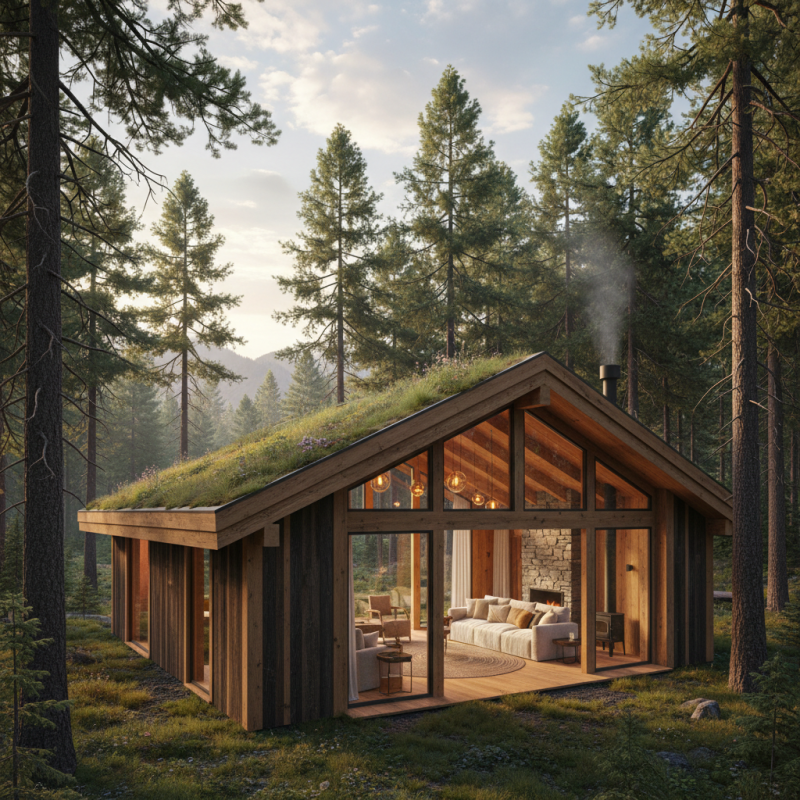
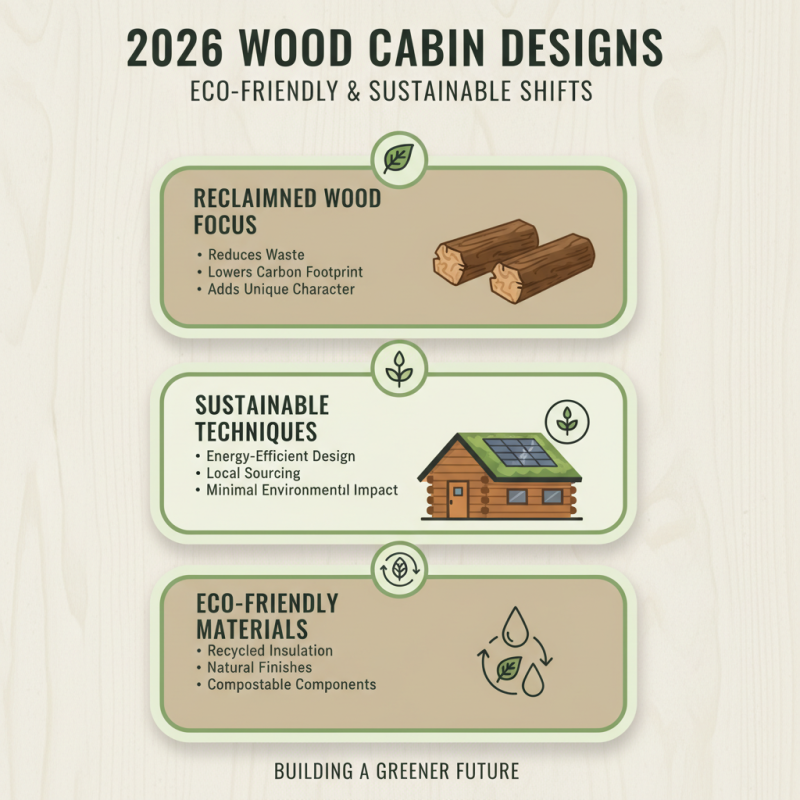
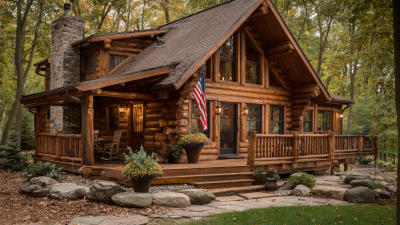
In 2026, wood cabin designs are shifting toward eco-friendly materials and sustainable techniques. Many developers focus on reclaimed wood to reduce waste and carbon footprint. This adds character to cabins. Each beam tells a story. Reclaimed wood often has unique textures and colors. This creates visually stunning interiors and exteriors.
Alongside reclaimed materials, innovative building techniques are gaining traction. Methods like passive solar design enhance energy efficiency. This allows cabins to perform better in heating and cooling. However, achieving this perfection can be tricky. Proper orientation and design are crucial. Not every cabin can maximize sun exposure.
Insulation using natural materials is also becoming popular. Sheep's wool and hemp are excellent choices. They are not just effective but also renewable. Yet, the cost can be a challenge. Balancing budget and sustainability often requires tough decisions. Homeowners may need to compromise between eco-friendliness and expenses. Each choice reflects a commitment to the planet.
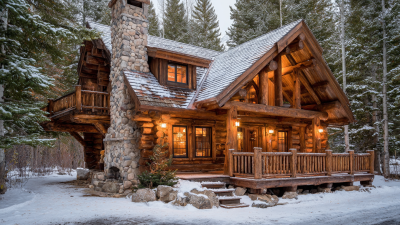
When planning a small wood cabin, maximizing space is essential. Innovative floor plans can transform limited areas into functional living spaces. For example, consider an open concept layout. With no walls to divide the kitchen, dining, and living areas, the cabin feels larger. Using multi-purpose furniture can add flexibility to your design. A sofa bed or a folding dining table can be game-changers.
Another clever idea is to utilize vertical space. High ceilings can accommodate lofted sleeping areas, keeping the main floor open. However, not every design works for every lifestyle. Some may find lofts challenging for everyday use. Accessibility becomes an issue for many, particularly at night. It’s crucial to weigh the pros and cons of each design choice.
Natural light is a must in small cabins. Large windows can brighten a space and create a feeling of openness. Yet, there are trade-offs. Balancing privacy and exposure can be tricky. If your cabin is nestled in a dense forest, tall trees may obstruct views. This requires thoughtful planning. Finding harmony between space usage and personal comfort is a delicate dance in designing your perfect getaway.
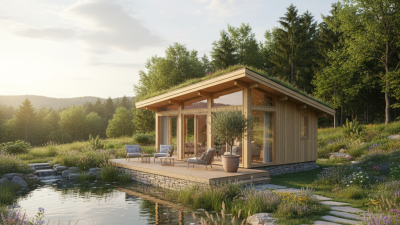
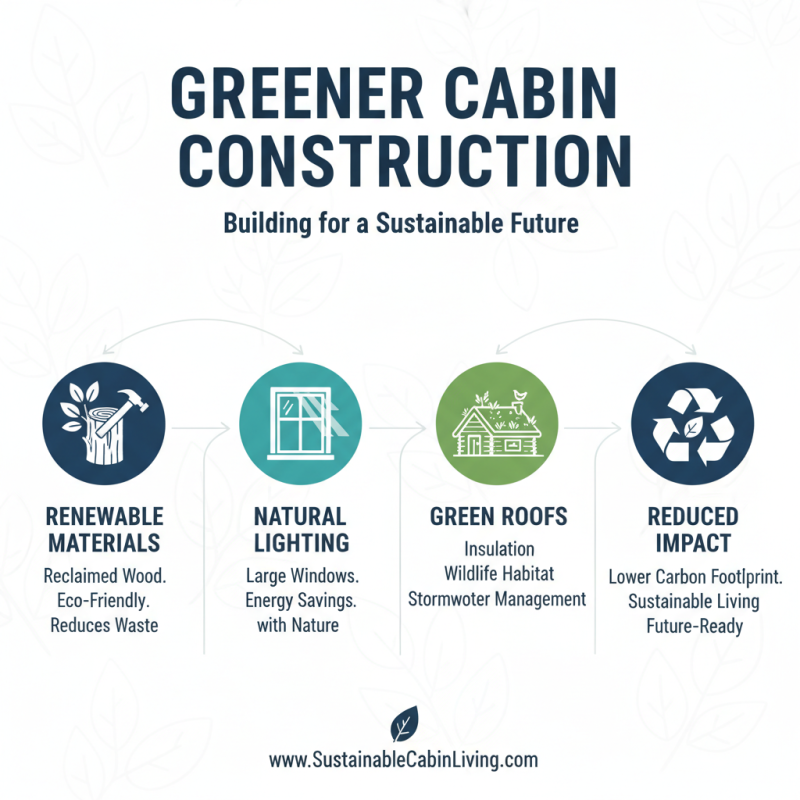
Sustainable cabin construction is vital for a greener future. Using renewable materials like reclaimed wood enhances your cabin's charm and reduces environmental impact. Large windows can maximize natural light. They also reduce the need for artificial lighting. Green roofs can help insulate while providing wildlife habitats.
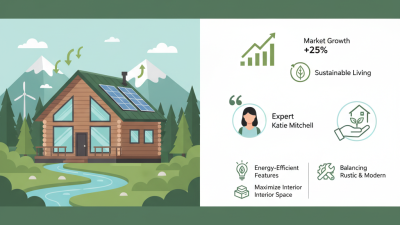
Energy efficiency is another key aspect. Installing solar panels can power your getaway sustainably. Consider using energy-efficient appliances to minimize electricity use. However, some systems may not work in every location. Relying solely on solar might limit you, especially in dense forests.
Embracing green technologies may require extra planning. Rainwater harvesting systems can provide water, but they are not always perfect. Maintenance can be tricky in remote areas. Reflect on how you might balance eco-friendly designs with practicality. Each decision shapes your cabin experience, so choose wisely.
Nature offers many stunning locations for wood cabin retreats. Imagine waking up in a cozy cabin nestled among towering pines. The air is crisp, and the morning sun filters through the branches. Here, in the heart of nature, is where you find peace.
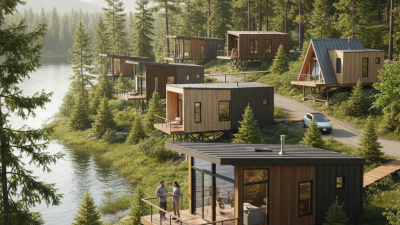
Lakeside retreats provide tranquil views and perfect fishing spots. You might face challenges like finding the ideal fishing spot or dealing with unexpected weather changes. Still, the sunsets over the water make it worth it. Forests are another option, where the lush greenery offers a sense of seclusion. Wildlife can be both a delight and a distraction. You may hear rustling at night, causing a mix of excitement and unease.
Mountain cabins bring breathtaking vistas. However, access can be tricky. Slippery roads and rugged paths require careful planning. Each location offers both beauty and obstacles to overcome. Finding the right spot may take time and effort, but the reward is a connection to nature that is impossible to replicate.
Creating a cozy interior in a wood cabin requires thoughtful details and personal touches. Warm colors can invite a sense of relaxation. Natural wood tones blend well with soft fabrics like wool or cotton. Use throw blankets and plush cushions to make seating areas comfortable. A well-placed rug can add warmth to wooden floors.
Lighting plays a vital role in setting the mood. Incorporate various sources of light, such as candles or lanterns. These elements create a welcoming atmosphere, especially in the evenings. Open spaces can sometimes feel cold, so consider using indoor plants to bring life into the room. Choose local flora that thrives indoors.
Reflect on your choices. Sometimes, too many decorative items can clutter a space. Minimalist designs can feel just as inviting. Pay attention to the balance between function and aesthetics. Favor furniture that serves multiple purposes. This not only saves space but also keeps the environment feeling serene. Your wood cabin should echo your style while remaining practical.
“I went to the woods because I wished to live deliberately, to front only the essential facts of life, and see if I could not learn what it had to teach, and not, when I came to die, discover that I had not lived.”
- Henry David Thoreau